Rhône Valley
Two vineyards, one river
From the steep granite of Hermitage to the rolled pebbles of Châteauneuf-du-Pape, the Rhône Valley unites two distinct winemaking identities, joined by the river and shaped by the mistral.
Rhône winemaking dates back to Greek colonies and then Roman expansion, which made the valley a major trade artery linking the Mediterranean to inland Gaul. Amphorae found along the river attest to active commerce since antiquity.
In the Middle Ages, the papacy's move to Avignon, from 1309 to 1377, transformed the southern region: the popes had vines planted around their summer residence, giving rise to what would become Châteauneuf-du-Pape, literally the pope's new castle.
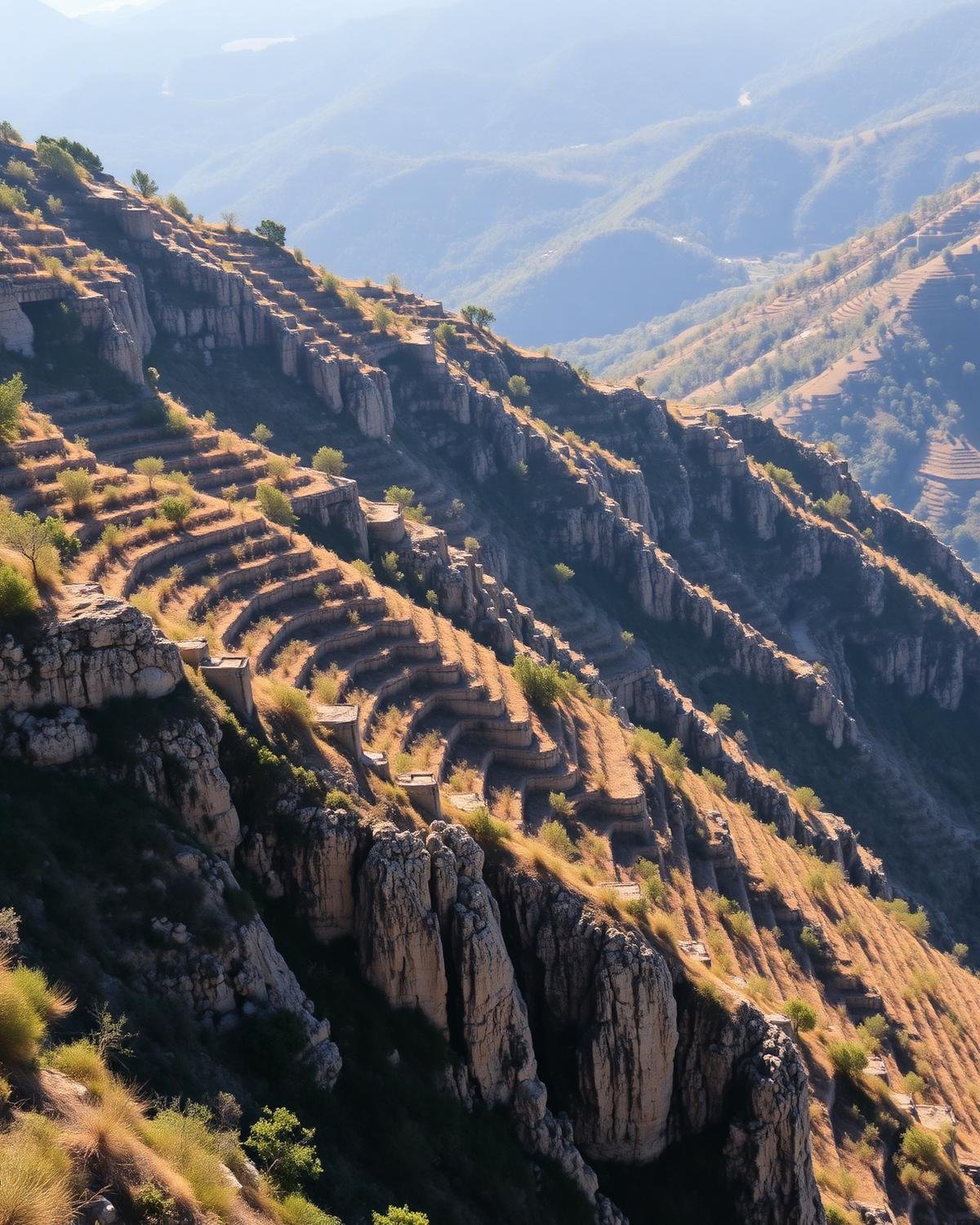
The northern part developed differently, on steep hillsides difficult to farm, where only syrah durably took hold, carried by winemaking families who perpetuated hillside work, often on terraces.
The 19th century saw the southern Rhône build its reputation on power and generosity, while the north cultivated rarity: planted areas remained restricted by the topography itself.
In 1936, Châteauneuf-du-Pape became one of France's very first AOCs, a precursor to a system that would later structure the entire Rhône vineyard, from north to south.
Today, the Rhône Valley combines the north's historic prestige with the south's generous diversity, carried by a new generation intent on preserving each sector's typicity in the face of climate change.
The Rhône Valley splits into two clearly distinct sets. In the north, a narrow corridor of granite hillsides follows the river between Vienne and Valence. In the south, from Montélimar onward, the vineyard widens considerably across stony terraces and plains.
This geographic duality, separated by a vine-free gap of some fifty kilometers, explains why the northern and southern Rhône, though united under one name, cultivate near-independent identities.
Area
≈ 68,000 ha under production
Latitude
44° to 45.5° north
Altitude
100 to 400 m
River
The Rhône, 200 km of vineyard
Appellations
31 AOC
Estates
≈ 6,000 winegrowers
The northern Rhône has a cool semi-continental climate, while the south shifts into a fully Mediterranean regime, hot and dry. The mistral, a powerful wind sweeping down the valley, cleanses the vineyard and limits fungal disease.
This wind, though feared for its violence, shapes the wines' style: it concentrates the berries by reducing their water load, contributing to the characteristic power of the southern reds.
Type
Semi-continental (north) to Mediterranean (south)
Rainfall
≈ 800 mm/year
Sunshine
≈ 2,600 h/year
Average temp.
13.8 °C
The Rhône's geological diversity pits two radically different mineral worlds against one another, between the granite north and stony south.
SOIL · 01
Hermitage granite
This hard-to-work crystalline bedrock gives the northern syrahs a smoky minerality recognizable above all others.
SOIL · 02
Châteauneuf rolled pebbles
These quartzite pebbles, deposited by ancient alpine glaciers, store the day's heat and release it at night.
SOIL · 03
Tavel sands
Light, sandy soils, ideal for crafting the valley's most reputed rosés.
SOIL · 04
Dentelles clay-limestone
Around Gigondas, this soil lends power and tannic structure to southern grenaches.
Syrah
The only red grape allowed in the north, it gives deep, spicy wines with remarkable aging potential.
Aromas: Black pepper, violet, black olive, smoke
Pairings: Game, grilled meats
Grenache
The pillar of southern blends, it brings warmth, generosity and naturally high alcohol.
Aromas: Candied red fruit, garrigue, sweet spice
Pairings: Provençal stew, lamb
Mourvèdre
A late-ripening grape adding tannic structure and longevity to the south's most ambitious blends.
Aromas: Leather, black fruit, pepper
Pairings: Long-braised red meats
Viognier
A rare, demanding grape exclusive to Condrieu, offering a silky texture and an exuberant aromatic profile.
Aromas: Apricot, acacia blossom, sweet spice
Pairings: Spiced poultry, Asian cuisine
Roussanne
A noble southern white grape bringing finesse and floral notes when blended with marsanne.
Aromas: Honey, linden, pear
Pairings: Fish in sauce, roast poultry
Cinsault
Used in blends for its freshness, it balances grenache's power in rosés and light reds.
Aromas: Strawberry, red flowers
Pairings: Light summer cuisine
The Rhône's style swings between the north's mineral rigor and the south's sun-drenched generosity, two complementary expressions of a single river.
Northern syrah
Upright, spicy and smoky, built for cellaring on the north's steep hillsides.
Powerful southern blend
Grenache, syrah and mourvèdre joined for warm, generous power.
Aromatic viognier
An exuberant, silky white, a rare exclusivity of Condrieu.
Tavel rosé
A structured, gastronomic rosé, far from the usual light rosé.
Approachable Côtes-du-Rhône
The generous entry point, true to the region's convivial spirit.
Thirty-one appellations structure the valley, from the confidential north to the generous south.
Côte-Rôtie
Steep terraced hillsides, syrah of rare elegance.
Hermitage
The mythical hill, the summit of northern syrah.
Condrieu
The confidential kingdom of viognier, in limited quantities.
Cornas
A powerful, wild red, long kept confidential.
Châteauneuf-du-Pape
The great southern wine, up to thirteen grapes allowed.
Gigondas
Power and structure, at the foot of the Dentelles de Montmirail.
Vacqueyras
A generous style, often seen as Gigondas's little brother.
Tavel
France's only appellation entirely dedicated to rosé.
Côtes-du-Rhône Villages
An intermediate quality tier, a guarantee of consistent typicity.
The Rhône ranks its wines across three tiers, from the most general to the most precise.
Crus du Rhône
Seventeen exceptional appellations, including Hermitage, Côte-Rôtie and Châteauneuf-du-Pape.
Villages
Communes recognized for the qualitative consistency of their terroir.
Côtes-du-Rhône
The regional appellation, a generous gateway into the Rhône vineyard.
01
Harvest
Manual picking on the steep northern hillsides, mechanizable on the southern plains.
02
Partial destemming
Some stems are sometimes kept to add structure and freshness to southern wines.
03
Fermentation
Long vatting, with pump-overs or punch-downs depending on the grape and desired style.
04
Maceration
Extended extraction for grenaches and syrahs destined for cellaring.
05
Blending
In the south, up to thirteen grapes can enter a single wine's composition.
06
Aging
In oak foudres to preserve fruit, or in barrels for the most ambitious cuvées.
07
Bottling
After an aging period of twelve to twenty-four months depending on appellation and style.
Provençal daube
A generous Châteauneuf-du-Pape answers the stew's spiced richness.
Game in sauce
Cornas syrah, wild and deep, accompanies venison.
Marinated beef yakiniku
The south's generous grenache marries the grilled meat's caramelization.
Grilled unagi
A silky, aromatic Condrieu viognier elevates the sweet-savory glaze.
Robatayaki vegetables
A Crozes-Hermitage white accompanies charcoal-grilled vegetables.
Lamb tagine
The tagine's warm spice finds a natural echo in a Vacqueyras.
Fine charcuterie
A fruity, round Côtes-du-Rhône Villages accompanies a generous board.
The north's great growths, led by Hermitage and Côte-Rôtie, can be cellared twenty to thirty years, developing truffled and gamey notes with age. Châteauneuf-du-Pape generally peaks between eight and fifteen years.
Service differs markedly between the two Rhônes: the north calls for the precision of a classic age-worthy wine, while the south's generous reds tolerate longer decanting to soften their alcoholic power.
Temperature (north)
16 to 17 °C
Temperature (south)
17 to 18 °C
Whites and rosés
10 to 12 °C
Decanting
1 to 3 h depending on style
Cellar storage
13 °C, 70% humidity
Glassware
Large balloon for powerful reds
February to March
Pruning
Goblet pruning in the south, guyot on the north's steep hillsides.
April
Budbreak
Earlier vegetative restart in the Mediterranean south.
May to June
Flowering
The mistral, by drying the air, limits disease risk during this sensitive period.
July
Véraison
Berry coloring, earlier on the stony terraces of the south.
Late August
Condrieu harvest
Viognier, early-ripening, is among the first grapes picked.
September
Syrah harvest
Meticulous manual picking on the north's steep hillsides.
Late September
Southern harvest
Grenache, mourvèdre and cinsault picked according to each grape's ripeness.
Winter
Blending
Composing cuvées, sometimes from up to thirteen different grapes in the south.
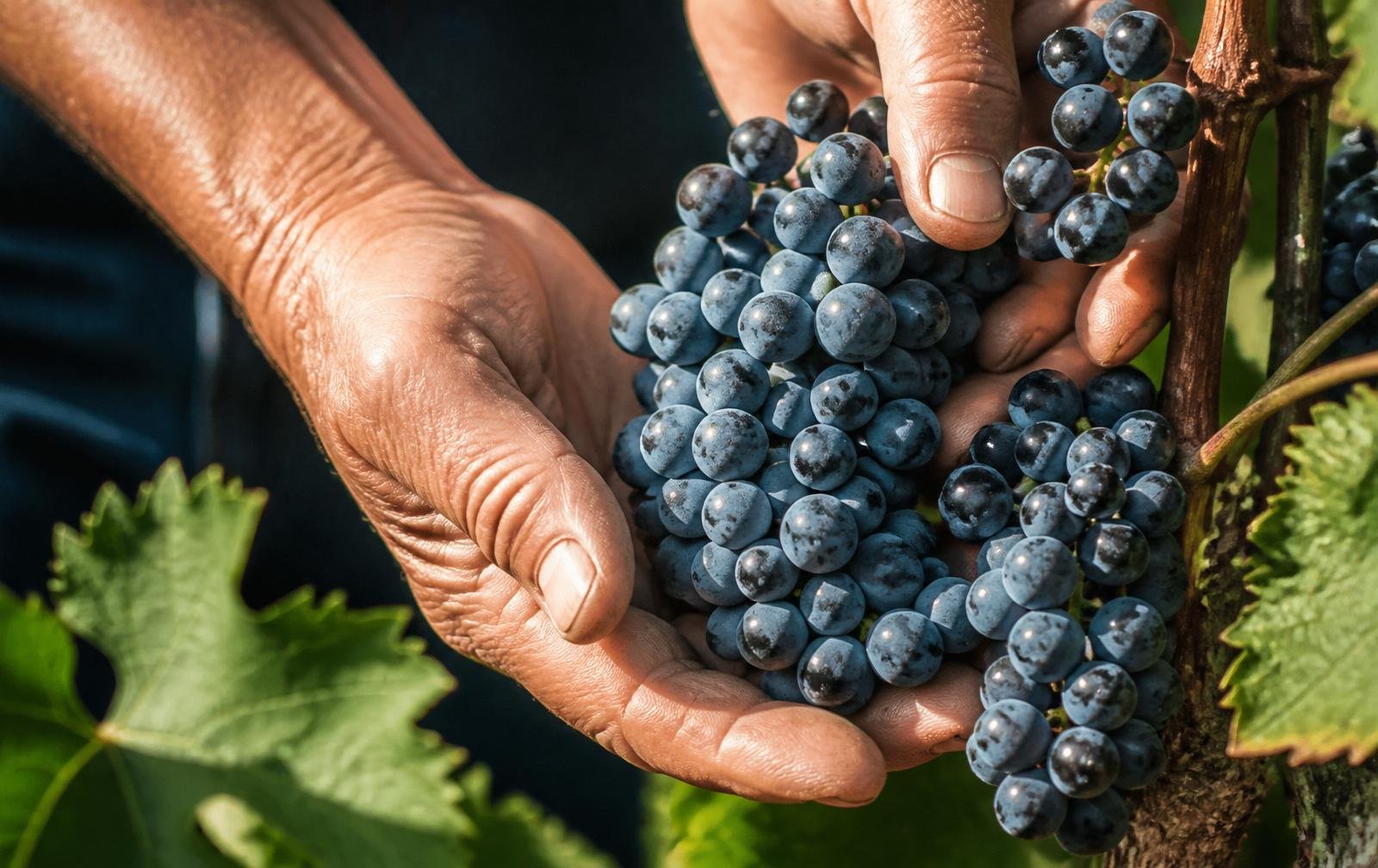
Manual harvest on steep hillsides
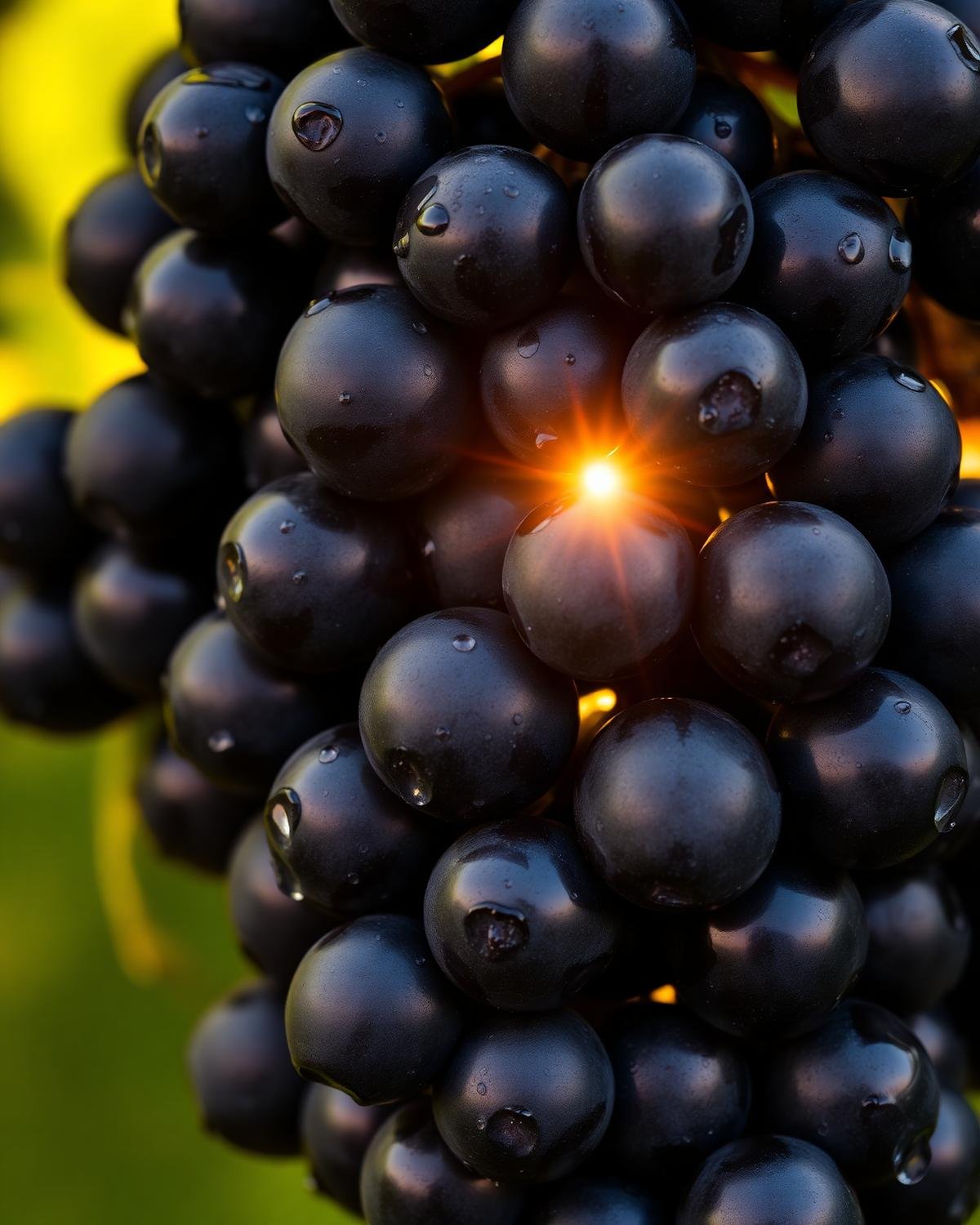
Grenache under the southern sun
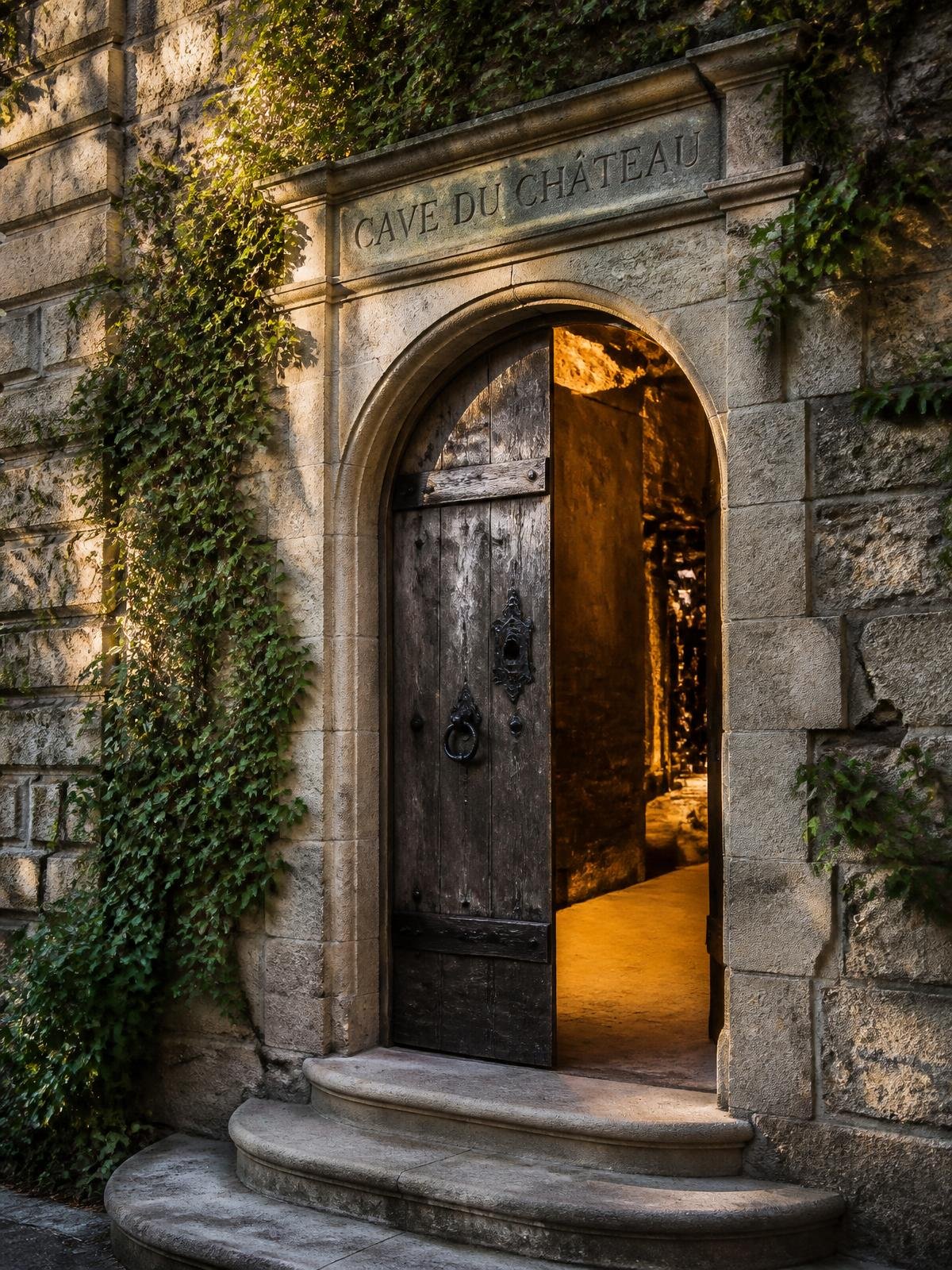
Troglodyte cellar of the northern Rhône
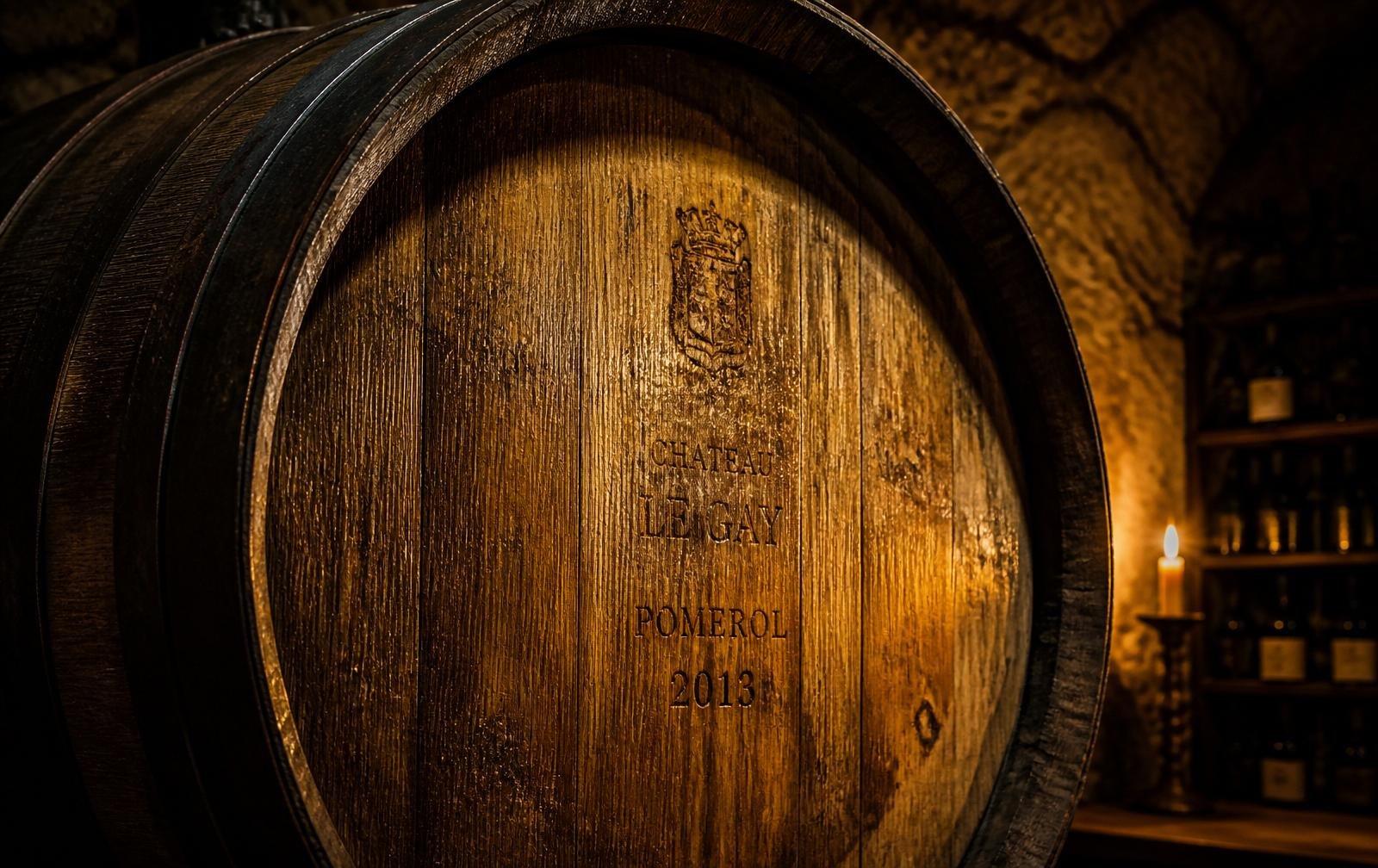
Oak foudre used for aging
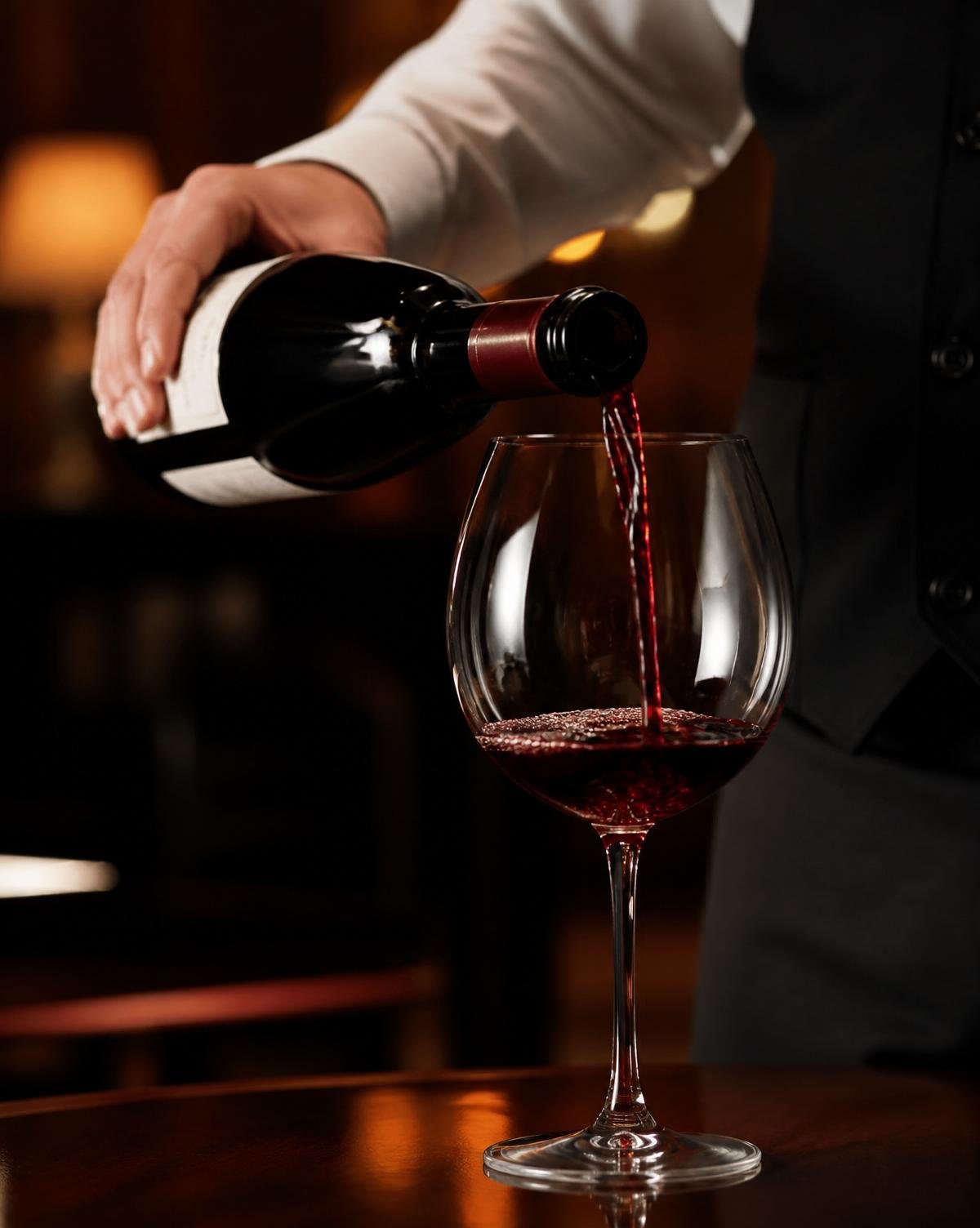
Tasting a Châteauneuf-du-Pape
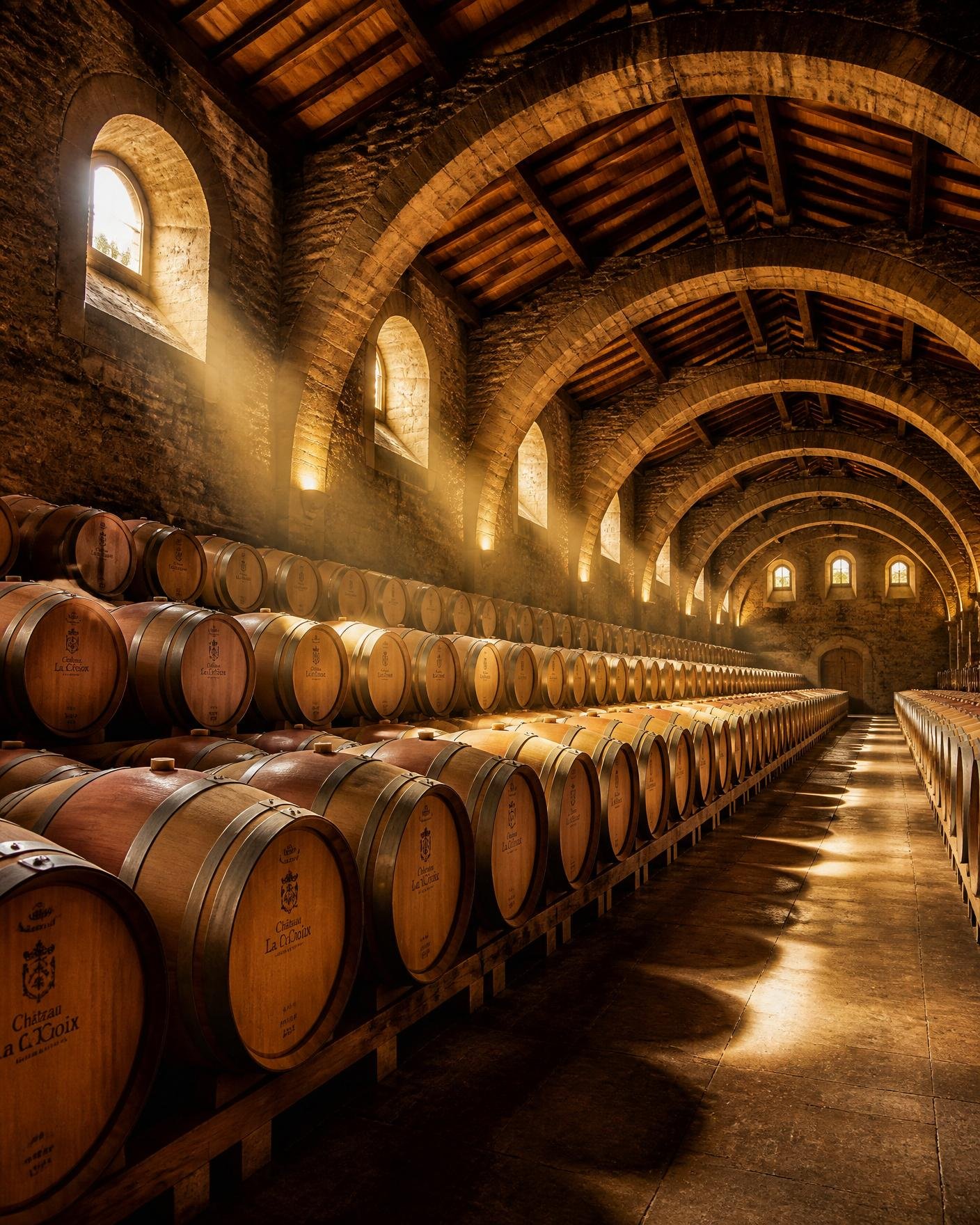
Cellar bathed in southern light
01
Châteauneuf-du-Pape allows up to thirteen different grape varieties in a single wine's blend.
02
The mistral can blow at over a hundred kilometers per hour through the Rhône Valley.
03
Condrieu covers only about 200 hectares, one of France's rarest white appellations.
04
Châteauneuf-du-Pape's rolled pebbles can reach surface temperatures above 40 °C in summer.
05
Hermitage owes its name to a 13th-century knight-hermit who retired to the hill.
06
Tavel is France's only appellation dedicated exclusively to rosé wine.
The Rhône Valley proves that a single river can carry two distinct winemaking philosophies: the north's mineral rigor and the south's sun-drenched generosity, united by a common ally, the mistral.
For the Japanese market, fond of clear reference points and precise traceability, this duality offers immediate legibility: northern crus for rarity and cellaring, southern cuvées for convivial generosity and bold pairings.
This ability to reconcile two characters without ever blurring them, to preserve each terroir's identity despite their geographic proximity, illustrates the demand of takumi: a mastery that distinguishes rather than standardizes.