Alsace
The single grape variety at its summit
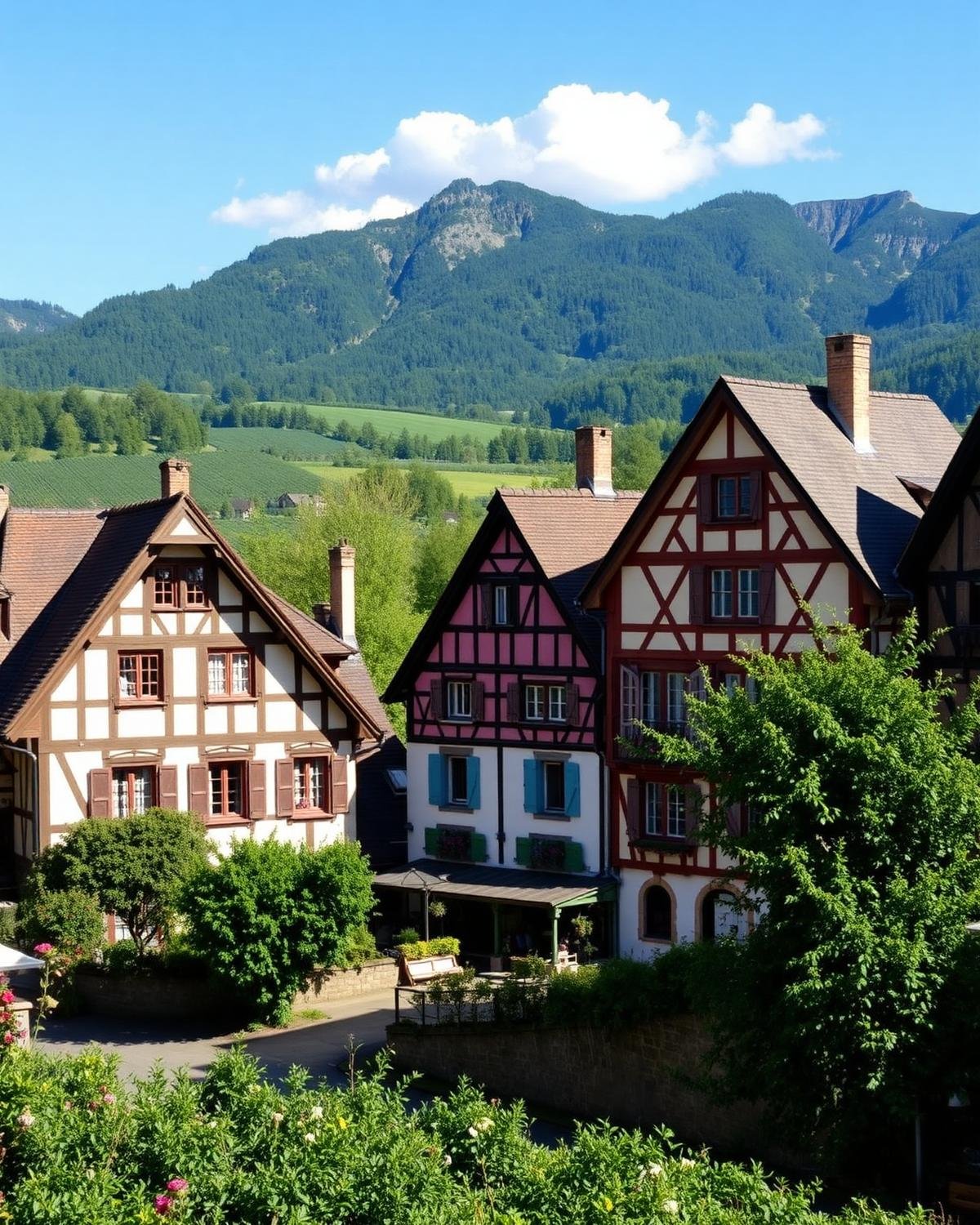
Backed against the Vosges, Alsace has cultivated for centuries a singular winemaking identity, shaped by an eventful Franco-German history and a rare discipline: revealing a single grape variety, without artifice.
Alsatian viticulture dates back to Roman times, but it was in the Middle Ages that the region reached a first golden age, its wines then among the most sought after and highest valued in Europe, exported as far as the Scandinavian and Hanseatic courts.
The successive wars between France and Germany, from 1871 to 1945, tossed Alsace between two sovereignties, each imposing its own production standards. This troubled period pushed the vineyard, at the Liberation, to refocus on noble grape varieties to restore its reputation.
In 1962, the Alsace appellation was officially recognized, followed in 1975 by the creation of Alsace Grand Cru, distinguishing the region's finest terroirs under strict, site-specific regulations.
Alsace then set itself apart with a choice unique in France: indicating the grape variety on the label, contrary to the French tradition founded on terroir. This choice, inherited from Germanic custom, has durably shaped the region's commercial identity.
The following decades cemented the reputation of late-harvest and noble-rot selection wines, exceptional vinifications that showcase Alsatian expertise in high-precision sweet wines.
Today, Alsace combines single-varietal rigor with growing exploration of biodynamics, carried by a new generation committed to preserving the purity of expression of each grand cru.
The Alsatian vineyard forms a long, hundred-and-sixty-kilometer ribbon on the eastern foothills of the Vosges, between Marlenheim and Thann, sheltered from oceanic disturbances by the dominant mountain range.
This foothill location creates an exceptionally varied mosaic of microclimates and soils over a relatively small area, explaining the extreme precision of the grand cru hierarchy.
Area
≈ 15,500 ha under production
Latitude
47.5° to 49° north
Altitude
175 to 420 m
Grands Crus
51 classified sites
Appellations
3 AOC
Estates
≈ 4,200 winegrowers
Protected by the Vosges' foehn effect, Alsace enjoys France's driest climate, the mountain range holding back most oceanic rainfall before it reaches the vineyard.
This relative dryness, combined with generous sunshine, favors slow, steady ripening, essential to the fine aromatic definition sought in Alsatian grape varieties.
Type
Dry semi-continental
Rainfall
≈ 550 mm/year
Sunshine
≈ 1,700 h/year
Average temp.
10.8 °C
Few vineyards in the world present such geological diversity over such a small area: over ten soil families succeed one another along the Vosges.
SOIL · 01
Vosges granite
A poor, acidic soil, it favors riesling, lending tension and racy minerality.
SOIL · 02
Limestone marl
These richer soils suit gewurztraminer, reinforcing its aromatic breadth.
SOIL · 03
Vosges sandstone
Porous and well-drained, it lends finesse and elegance to wines grown on it.
SOIL · 04
Shell limestone
Rich in marine fossils, it brings a distinct saline minerality to the grands crus grown on it.
SOIL · 05
Loess
A fine wind-deposited sediment, it gives softer wines, often destined for regional appellations.
Riesling
Alsace's king grape, it expresses with absolute precision the nature of the soil that carries it.
Aromas: Lemon, gunflint, white flower, petrol with age
Pairings: Choucroute, sashimi, spiced cuisine
Gewurztraminer
The region's most exuberant aromatic grape, recognizable from the very first nose.
Aromas: Lychee, rose, spice, exotic fruit
Pairings: Munster, spiced Asian cuisine
Pinot Gris
Full and generous, it offers a rich texture while retaining fine freshness.
Aromas: Dried fruit, honey, smoke
Pairings: Foie gras, poultry with mushrooms
Muscat
The only truly aromatic grape from the first olfactory taste of the raw grape itself.
Aromas: Fresh grape, citrus, white flowers
Pairings: Aperitif, asparagus
Sylvaner
A discreet, thirst-quenching grape, often grown on the region's simplest terroirs.
Aromas: Crisp white fruit, fresh herb
Pairings: Tarte flambée, light cuisine
Pinot Noir
The region's only red grape, steadily advancing with climate change.
Aromas: Cherry, red fruit, light spice
Pairings: Poultry, Alsatian charcuterie
Alsace organizes its offering around the grape variety before the terroir, a distinctly French singularity proudly upheld.
Dry riesling
Taut and precise, the absolute reference for Alsatian minerality.
Opulent gewurztraminer
Aromatic and generous, often perceived as off-dry despite complete fermentation.
Single-varietal Grand Cru
The most precise expression of a single site, riesling or gewurztraminer foremost.
Late harvest
Overripe picking, offering concentration and measured sweetness.
Noble rot selection
The summit of Alsatian sweet wine, from botrytized grapes sorted berry by berry.
Only three appellations legally structure Alsace, but their breakdown into fifty-one grands crus offers remarkable precision.
Alsace
The regional appellation, declined by grape variety on the label.
Alsace Grand Cru
Fifty-one classified sites, each governed by its own precise regulations.
Crémant d'Alsace
Traditional method, one of France's best-selling sparkling wines.
Rangen
The southernmost, steepest grand cru, a unique volcanic soil.
Schlossberg
The first grand cru recognized in 1975, granite and exceptional riesling.
Zotzenberg
The only grand cru allowing sylvaner, honoring its local tradition.
Hengst
A powerful marly terroir, favorable to full-bodied gewurztraminer.
Kastelberg
The smallest grand cru, slate schist, riesling of rare tension.
Alsace ranks its wines across three distinct levels, from regional to exceptional sweet wine.
Alsace Grand Cru
The quality summit, reserved for the four noble grapes on classified sites.
Vendanges Tardives
Late-harvest picking at controlled overripeness, governed by strict sugar thresholds.
Sélection de Grains Nobles
The ultimate level, from botrytized grapes sorted berry by berry.
01
Harvest
Widespread manual picking, particularly meticulous on steeply sloped grands crus.
02
Pressing
Direct, slow pressing to preserve the aromatic purity specific to each grape.
03
Settling
Clarifying the must before fermentation to ensure the final profile's clarity.
04
Fermentation
Long, low-temperature fermentation, often in stainless steel to preserve fruit.
05
Fine lees aging
A common practice that adds texture without marking the wine with oak notes.
06
Minimal blending
Alsace favors pure single-varietal wines over blending, with rare exceptions.
07
Bottling
Bottled the spring following harvest to preserve aromatic freshness.
Alsatian choucroute
Dry, mineral riesling is the undisputed regional pairing.
Tarte flambée
A thirst-quenching sylvaner accompanies the dish's rustic simplicity.
Salmon sashimi
Dry riesling's minerality extends the fish's fatty freshness.
Spiced Japanese curry
Aromatic, supple gewurztraminer naturally soothes the spice.
Root vegetable tempura
A full pinot gris balances the fry's crispness and richness.
Aged Munster
The traditional pairing: powerful gewurztraminer against washed-rind cheese.
Kouglof with dried fruit
A pinot gris late harvest underscores the brioche-like sweetness.
Grand cru rieslings develop characteristic mineral and petrol notes with age, and can be cellared fifteen to twenty-five years. Late harvests and noble rot selections keep for several decades without losing balance.
Alsatian service favors clean freshness for dry wines, while sweet wines benefit from being served slightly cooler than tradition suggests, to preserve their acid tension against residual sugar.
Temperature (dry)
9 to 11 °C
Cellaring Grand Cru
11 to 13 °C
Late harvest
8 to 10 °C
Decanting
Generally unnecessary
Cellar storage
11 °C, 70% humidity
Glassware
Traditional Alsace flute
February to March
Pruning
Simple guyot pruning, adapted to Alsace's high planting density.
April
Budbreak
Awakening of the vine, generally uniform thanks to the region's dry climate.
June
Flowering
A key period, favored by Alsace's characteristically low rainfall.
August
Véraison
Progressive berry coloring, closely monitored on steep grands crus.
Late September
Standard harvest
Manual picking of the four noble grapes at full ripeness.
October
Late harvest
Overripe picking, reserved for the most favorable plots and vintages.
November
Noble rot selection
Successive, berry-by-berry passes on botrytized grapes.
Winter
Aging
The wines begin a short aging period, favoring fruit freshness.
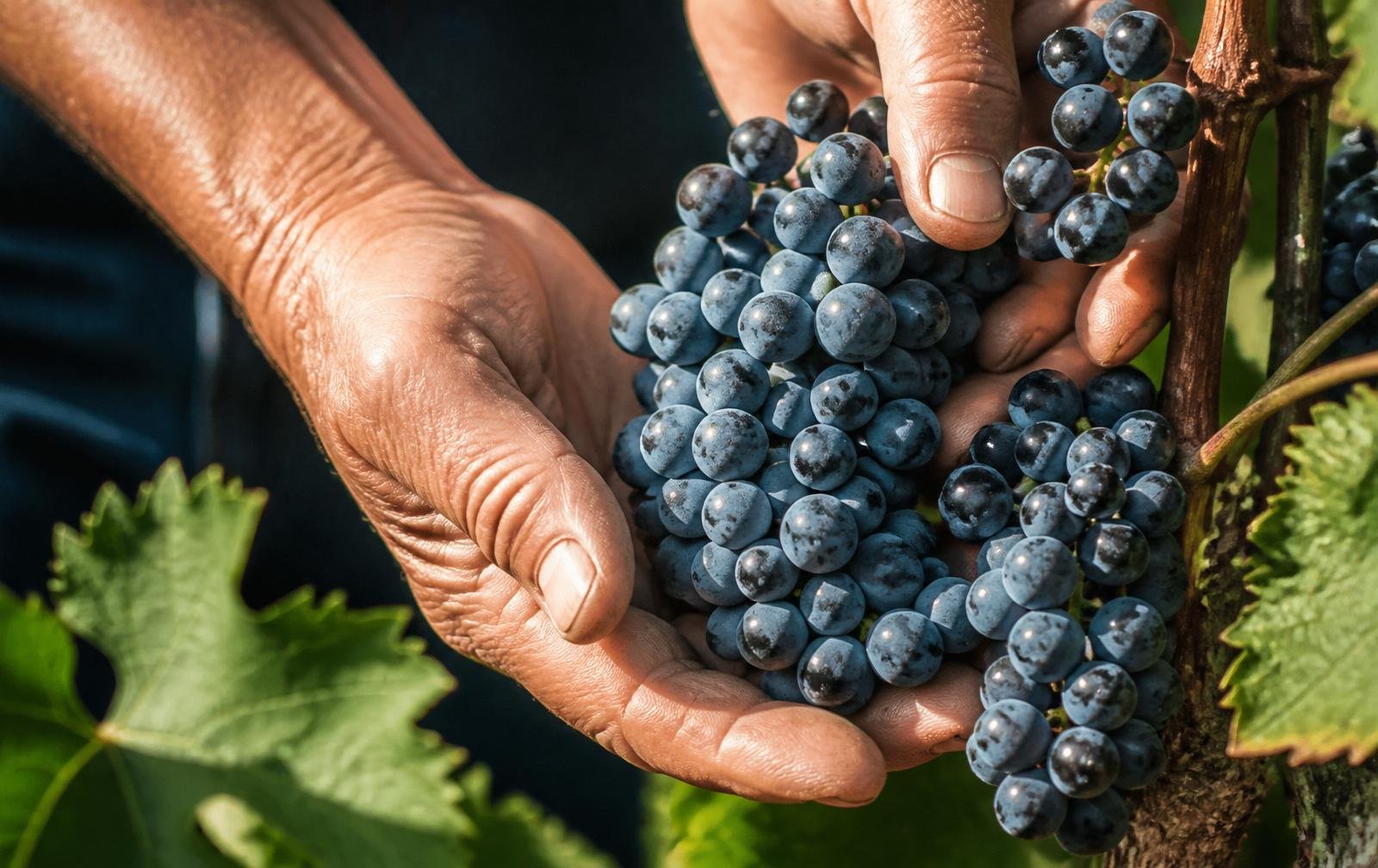
Manual harvest on the Vosges foothills
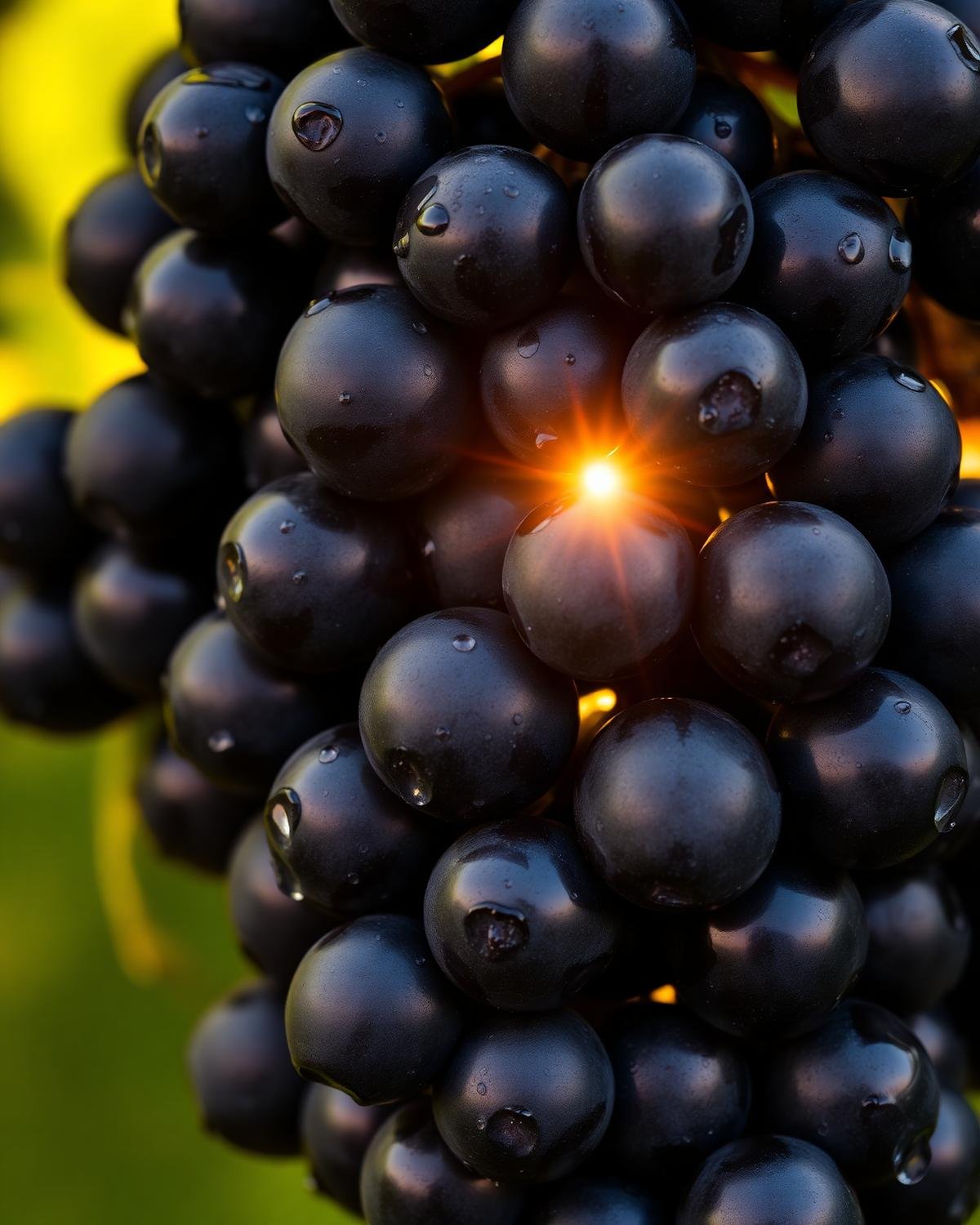
Riesling nearing full ripeness
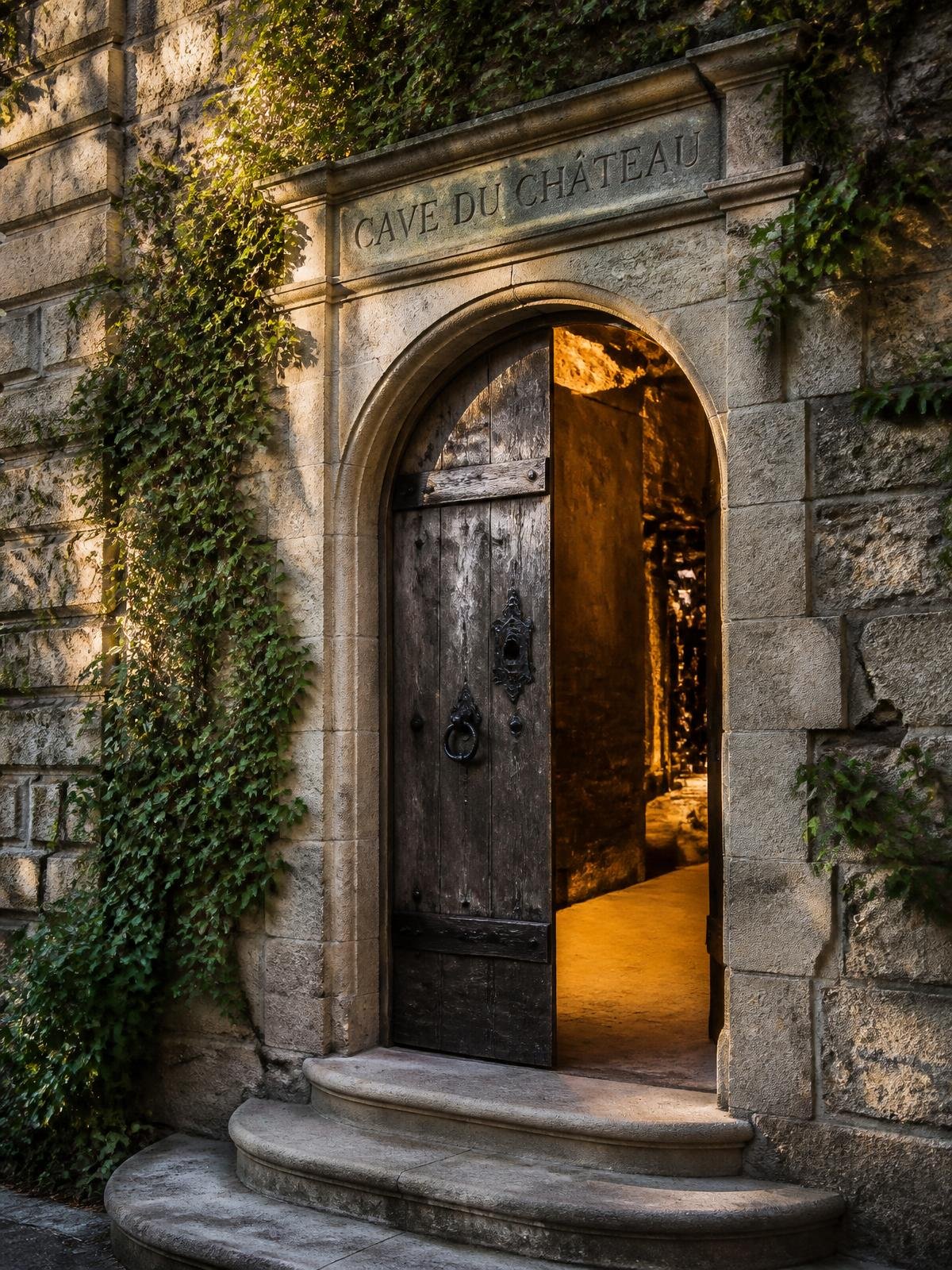
Traditional cellar of an Alsatian village
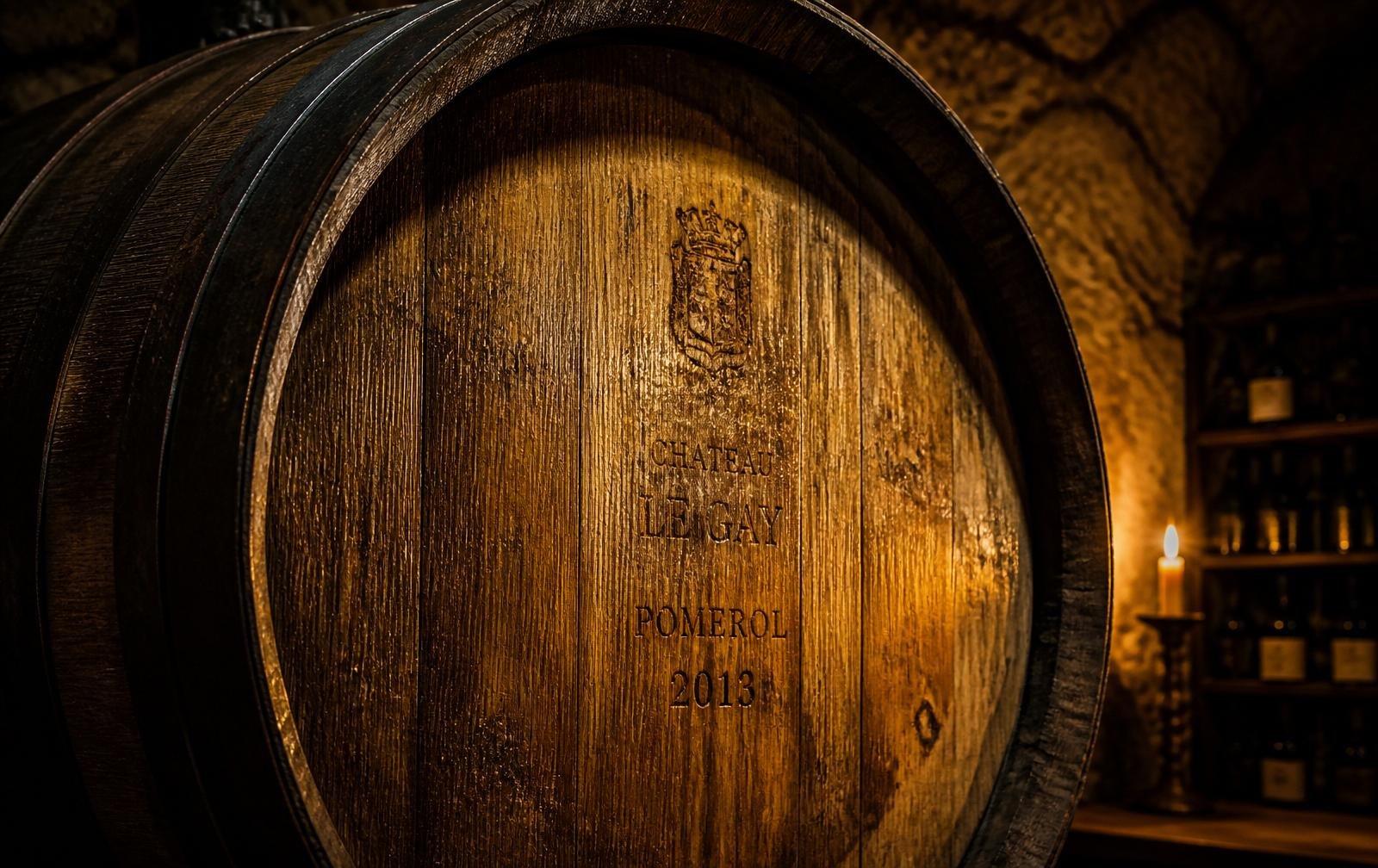
Ancestral foudre used for aging
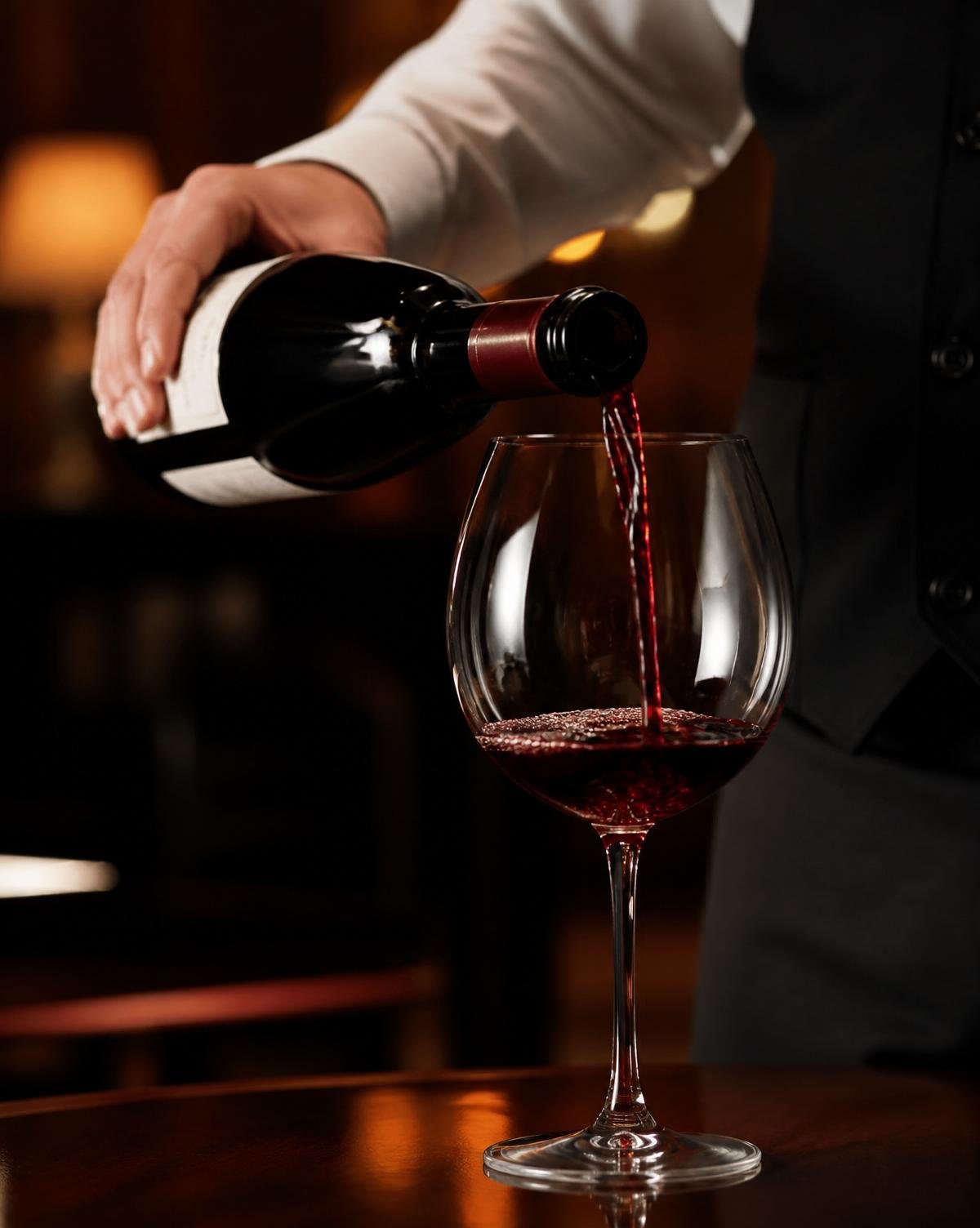
Tasting a grand cru riesling
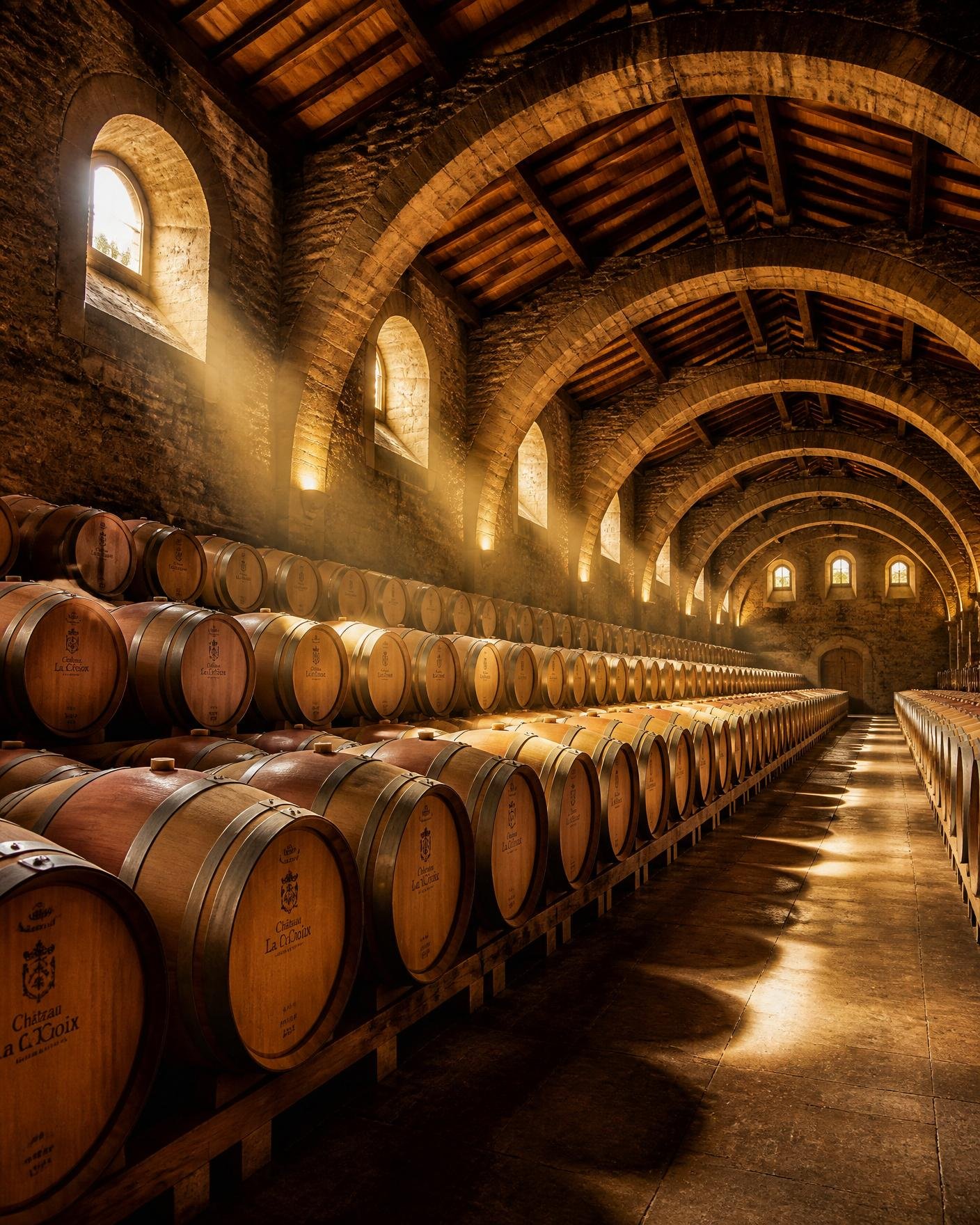
Alsatian cellar bathed in light
01
Alsace is the only major French region to systematically indicate the grape variety on the label.
02
The Alsatian vineyard has fifty-one grands crus, each governed by its own set of regulations.
03
Rangen, the southernmost grand cru, reaches slopes close to 60%, cultivated in terraces.
04
Alsace enjoys France's driest climate thanks to the protective effect of the Vosges.
05
Alsatian riesling can be cellared over thirty years in the best grand cru vintages.
06
The traditional slender Alsace flute is still used by many estates to showcase the wines' color.
Alsace offers a rare lesson in precision: revealing, grape by grape, a terroir's purity without ever masking it through blending or oak aging.
For the Japanese market, where riesling and gewurztraminer enjoy immediate recognition and a reputation for technical excellence, Alsace is a natural gateway into French aromatic finesse.
This discipline of the single varietal, this will to let the terroir speak without artifice, directly embodies the spirit of takumi: a mastery that recedes behind the matter it serves.