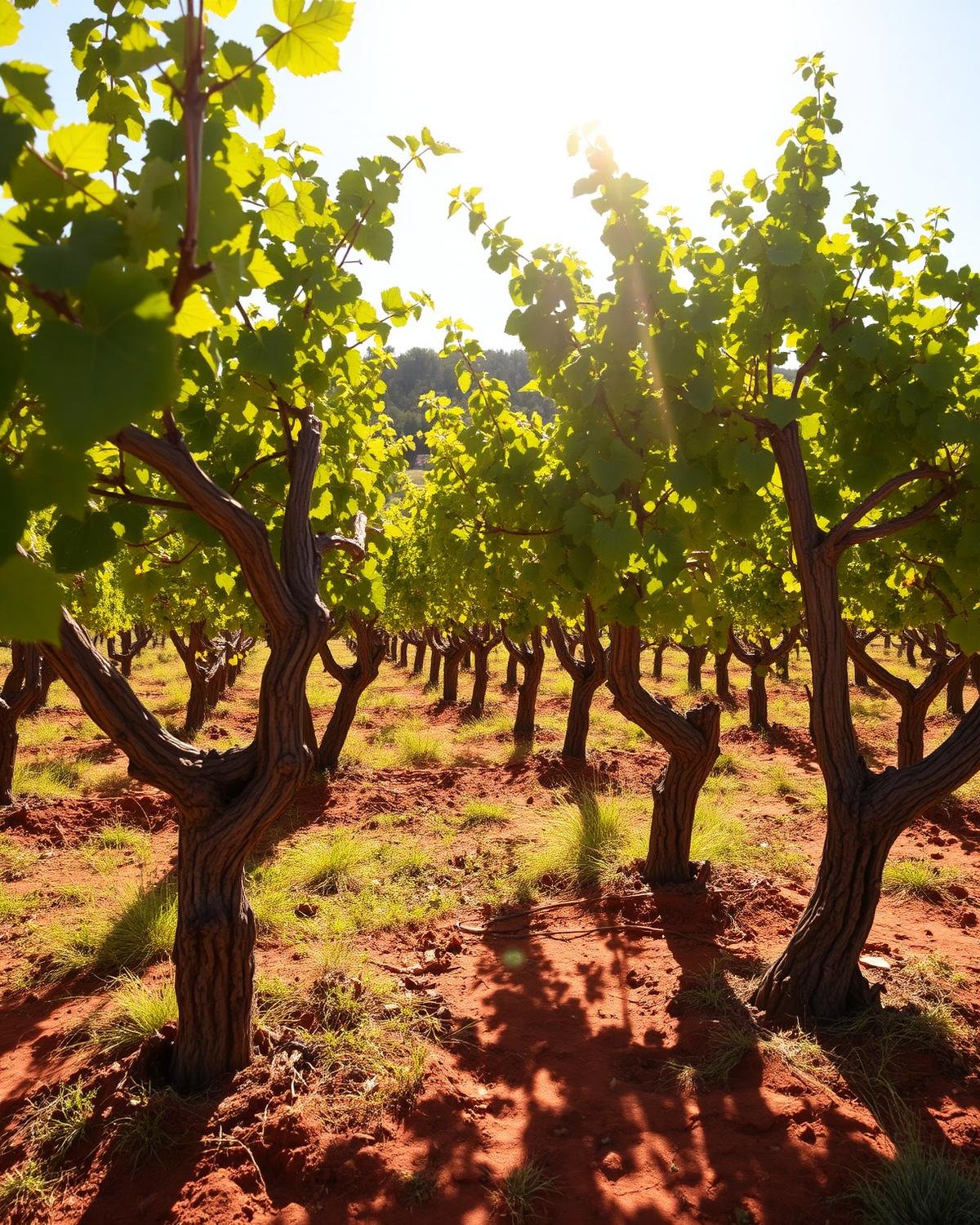
Languedoc
Roman antiquity and the qualitative revolution
Long reduced to mass production, the Languedoc has led, within a single generation, one of the most spectacular quality revolutions in French winemaking, revealing sun-drenched terroirs of assertive character.
The vine took hold in the Languedoc as early as the 6th century BCE, under Greek trading-post influence, before the Romans made it one of Narbonensis's agricultural pillars, crossed by the Via Domitia, Gaul's first Roman road.
The Middle Ages saw the development of vast monastic estates, notably around Valmagne abbey, which durably shaped the regional winemaking landscape and laid the groundwork for active trade across the Mediterranean basin.
The 19th century profoundly transformed the Languedoc: the arrival of the railway allowed mass production to flow toward northern France, making the region the world's largest vineyard by volume, often at the expense of quality.
The 20th century's wine crisis, marked by violent grower uprisings in 1907 over falling prices and fraud, preceded a long restructuring period, punctuated by the mass uprooting of low-potential vines.
From the 1980s onward, a generation of ambitious winemakers, often arriving from other regions, rediscovered the potential of the Languedoc's sun-drenched hillsides, initiating a quality revaluation now internationally recognized.
Today, the Languedoc combines two realities: a vast, generously productive vineyard and a rising quality core, carried by crus increasingly sought after by international critics.
The Languedoc vineyard stretches along the Mediterranean arc, from Nîmes to Narbonne, across a vast territory of coastal plains and garrigue-covered hillsides climbing toward the first foothills of the Cévennes.
This contrasting geography, between seaside and mid-mountain, explains the considerable diversity of regional expressions, from generous plain wines to hillside cuvées, more taut and concentrated.
AOC area
≈ 36,000 ha under production
Latitude
43° to 44° north
Altitude
0 to 400 m
Antiquity
Vineyard planted since the 6th c. BCE
Appellations
24 AOC
Estates
≈ 3,000 AOC-committed winegrowers
The Languedoc enjoys a generous Mediterranean climate, among France's sunniest, tempered by the Tramontane, a dry, powerful wind that cleanses the vineyard and concentrates grapes on exposed hillsides.
Rising altitude toward the Cévennes introduces significant climatic nuance, allowing hillside estates to preserve precious nighttime freshness for the balance of the most qualitative wines.
Type
Mediterranean
Rainfall
≈ 600 mm/year
Sunshine
≈ 2,650 h/year
Average temp.
14.3 °C
The Languedoc unites considerable geological variety, the legacy of a complex tectonic history between sea and mountain.
SOIL · 01
La Clape rolled pebbles
This former limestone island, now joined to the mainland, offers a unique maritime terroir in the Languedoc.
SOIL · 02
Terrasses du Larzac schist
This poor, acidic soil at altitude favors slow ripening and wines of great freshness.
SOIL · 03
Faugères sandstone and limestone
This rugged terroir, farmed in small plots, gives reds of assertive structure and character.
SOIL · 04
Saint-Chinian basalt
Of volcanic origin, this rare soil lends distinctive power and minerality to wines grown on it.
Carignan
The Languedoc's historic grape, long dismissed, now rehabilitated from vines over forty years old.
Aromas: Black fruit, garrigue, spice
Pairings: Grilled meats, southern cuisine
Mourvèdre
A demanding, late-ripening grape, it brings tannic structure and longevity to the best hillside blends.
Aromas: Leather, black fruit, pepper
Pairings: Lamb, meats in sauce
Grenache
The base of many southern blends, bringing warmth and generous fruit.
Aromas: Candied red fruit, sweet spice
Pairings: Stew, spiced cuisine
Syrah
Increasingly present in the Languedoc, it brings deep color and peppery notes to blends.
Aromas: Black pepper, violet, olive
Pairings: Grilled red meats
Roussanne
A noble grape used in quality whites, bringing finesse and floral notes.
Aromas: Honey, linden, apricot
Pairings: Fish in sauce, poultry
Muscat à Petits Grains
The emblematic aromatic grape of Frontignan and Lunel's naturally sweet wines.
Aromas: Fresh grape, candied citrus, white flowers
Pairings: Fruit-based desserts, aperitif
The Languedoc offers a contrasting palette, between sun-drenched generosity and the freshness of altitude hillsides.
Garrigue red
Spicy and rustic, carried by carignan and grenache from old vines.
Hillside red
More taut and structured, from altitude terraces like the Larzac.
Mediterranean white
Full and floral, often from roussanne and marsanne.
Naturally sweet wine
Fortified with alcohol, a tradition unique to the region in France.
Languedoc rosé
Fresh and generous, steadily rising over recent years.
Twenty-four appellations now structure the quality Languedoc, steadily growing over three decades.
Faugères
Pure schist, intensely characterful reds.
Saint-Chinian
Remarkable geological diversity, between schist and limestone.
Terrasses du Larzac
One of the Languedoc's rising contemporary crus.
La Clape
A unique maritime terroir, Mediterranean whites and reds.
Pic Saint-Loup
A cooler climate, elegant, spicy reds.
Minervois
A vast appellation with multiple terroirs, between plain and garrigue.
Corbières
The Languedoc's largest appellation, considerable style diversity.
Limoux
The historic cradle of the world's first known sparkling wine.
The Languedoc structures its quality hierarchy around two distinct, steadily evolving levels.
Grands Vins du Languedoc
A collective effort promoting the best appellation cuvées on international markets.
Village crus
Precise geographic designations, like La Livinière in Minervois, recognized for their typicity.
Regional Languedoc
The broadest appellation, a generous gateway into the region's diversity.
01
Harvest
Manual picking on steep hillsides, mechanizable on the coastal plains.
02
Sorting
Rigorous selection of old carignan vines, often trained low as goblets.
03
Fermentation
Temperature-controlled vatting, with measured extraction to preserve Mediterranean fruit.
04
Maceration
Extended maceration for hillside cuvées destined for cellaring.
05
Blending
Marrying southern grapes to balance sun-driven power and freshness.
06
Aging
In vat to preserve fruit, in foudre or barrel for the most ambitious cuvées.
07
Bottling
Bottled after six to eighteen months of aging depending on the desired style.
Cassoulet
A generous Corbières red answers the richness of this slow-cooked dish.
Garrigue lamb
A spicy Faugères elevates the wild herbs that flavor the meat.
Beef yakiniku
A structured Terrasses du Larzac red accompanies the caramelized grill.
Tuna tataki
A fresh, generous Languedoc rosé balances the tataki's bold flavor.
Miso pork skewers
Spicy old-vine carignan converses with miso's deep umami.
Aged Pélardon
A full roussanne white accompanies this regional goat cheese.
Dried fruit and almonds
A Muscat naturally sweet wine naturally extends the dessert's sweetness.
The best hillside cuvées, notably from the Terrasses du Larzac or Faugères, gain complexity over eight to fifteen years, developing garrigue and dried-fruit notes with age.
Languedoc service favors a slightly cooler temperature than tradition suggests to preserve the balance of the sunniest reds, often naturally high in alcohol.
Temperature (hillside red)
16 to 17 °C
Temperature (garrigue red)
15 to 16 °C
White and rosé
9 to 11 °C
Decanting
1 to 2 h
Cellar storage
13 °C, 70% humidity
Glassware
Large balloon for powerful reds
February to March
Pruning
Goblet pruning for old carignan vines, guyot for more recent grape varieties.
April
Budbreak
Early vegetative restart under the Languedoc's Mediterranean climate.
May
Flowering
Generally clement, barring occasional Mediterranean storms.
July
Véraison
Early berry coloring under some of France's highest sunshine levels.
Late August
White harvest
Picking of white grapes and muscat destined for naturally sweet wines.
September
Plain red harvest
Grenache and carignan picked first on the sunniest terroirs.
Late September
Hillside harvest
Later picking on altitude terraces, preserving freshness and tension.
Winter
Aging
The wines begin aging, in vat or foudre depending on the cuvée.
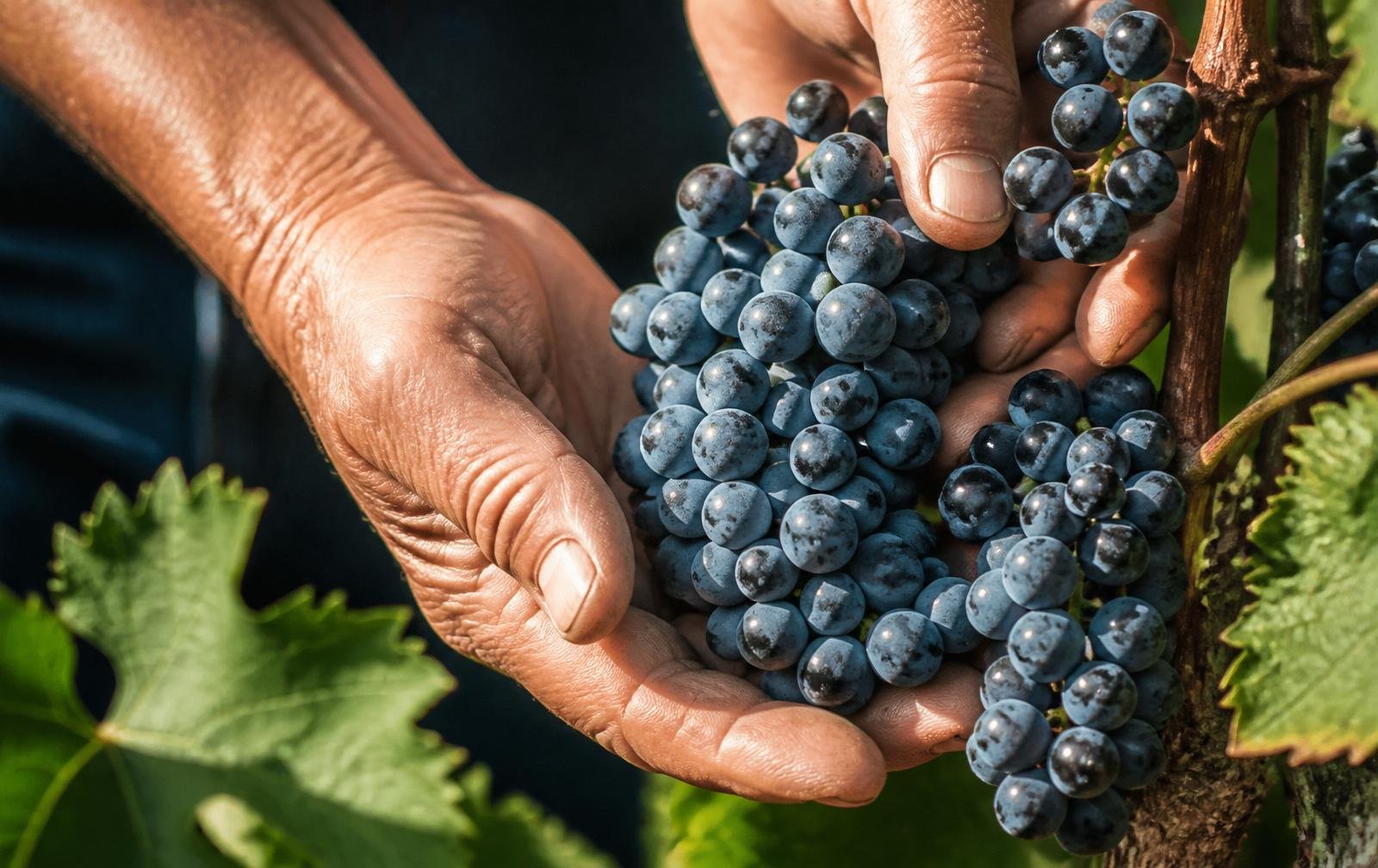
Manual harvest of old carignan vines
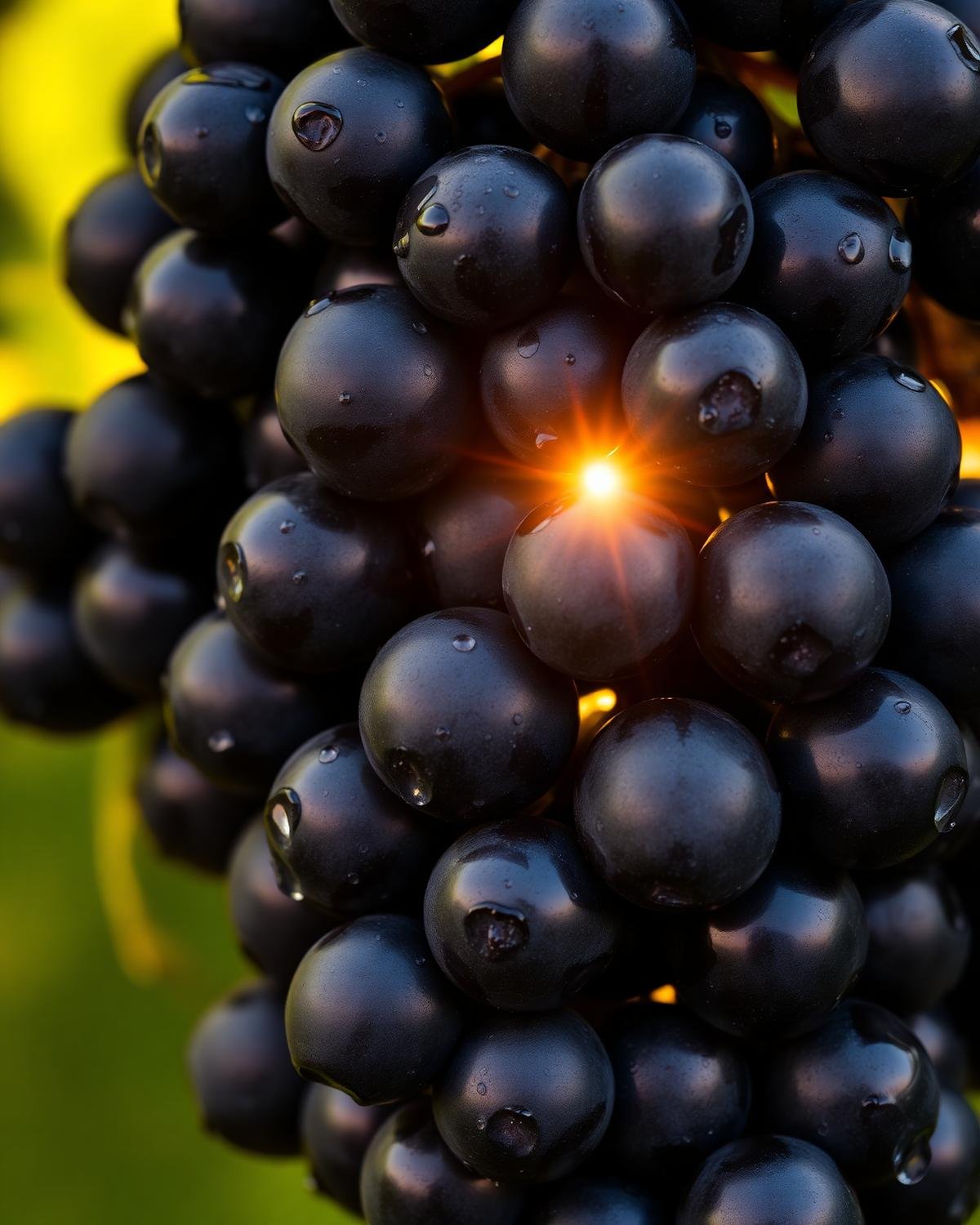
Grenache under the Languedoc sun
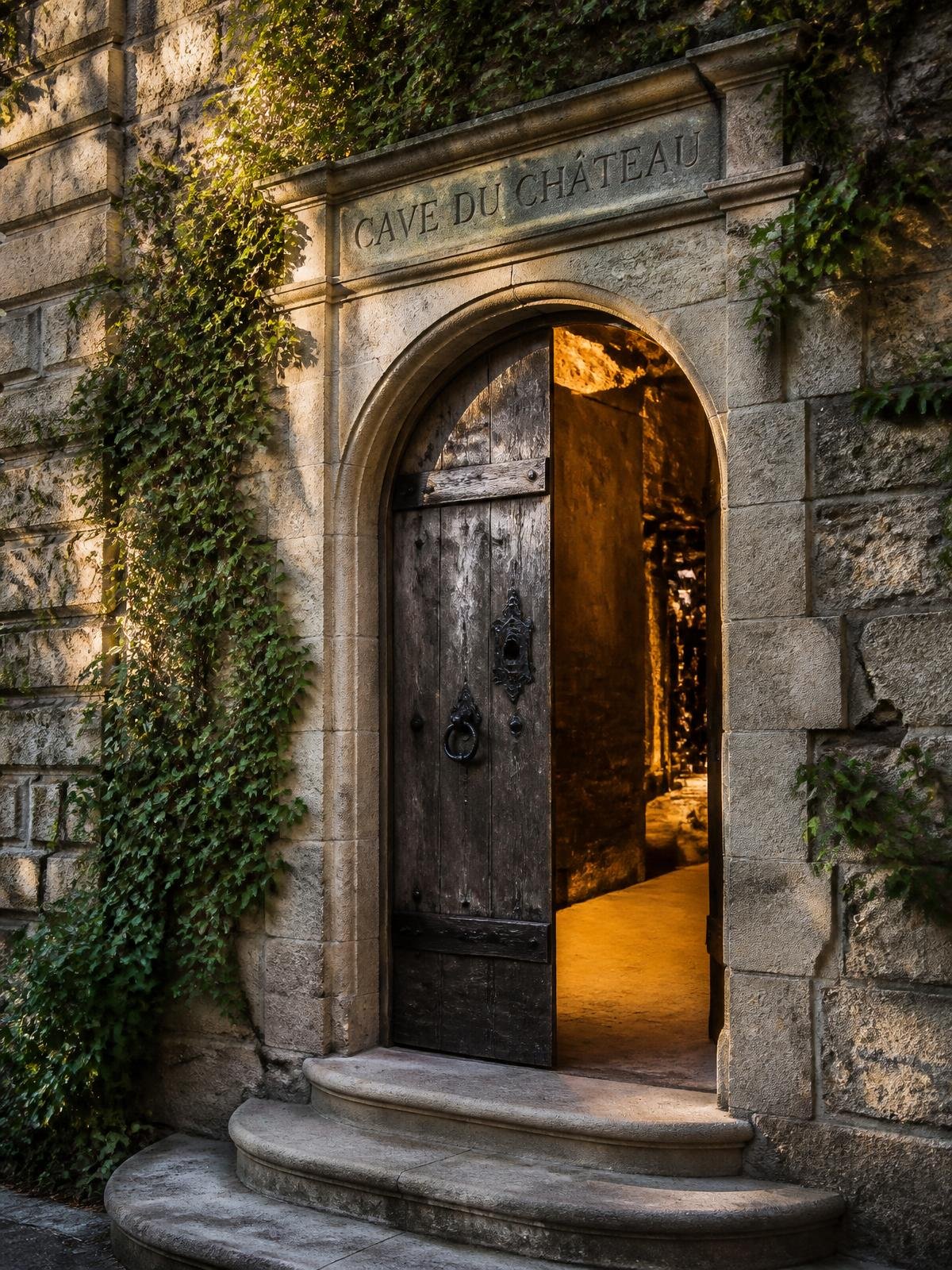
Entrance to a garrigue estate
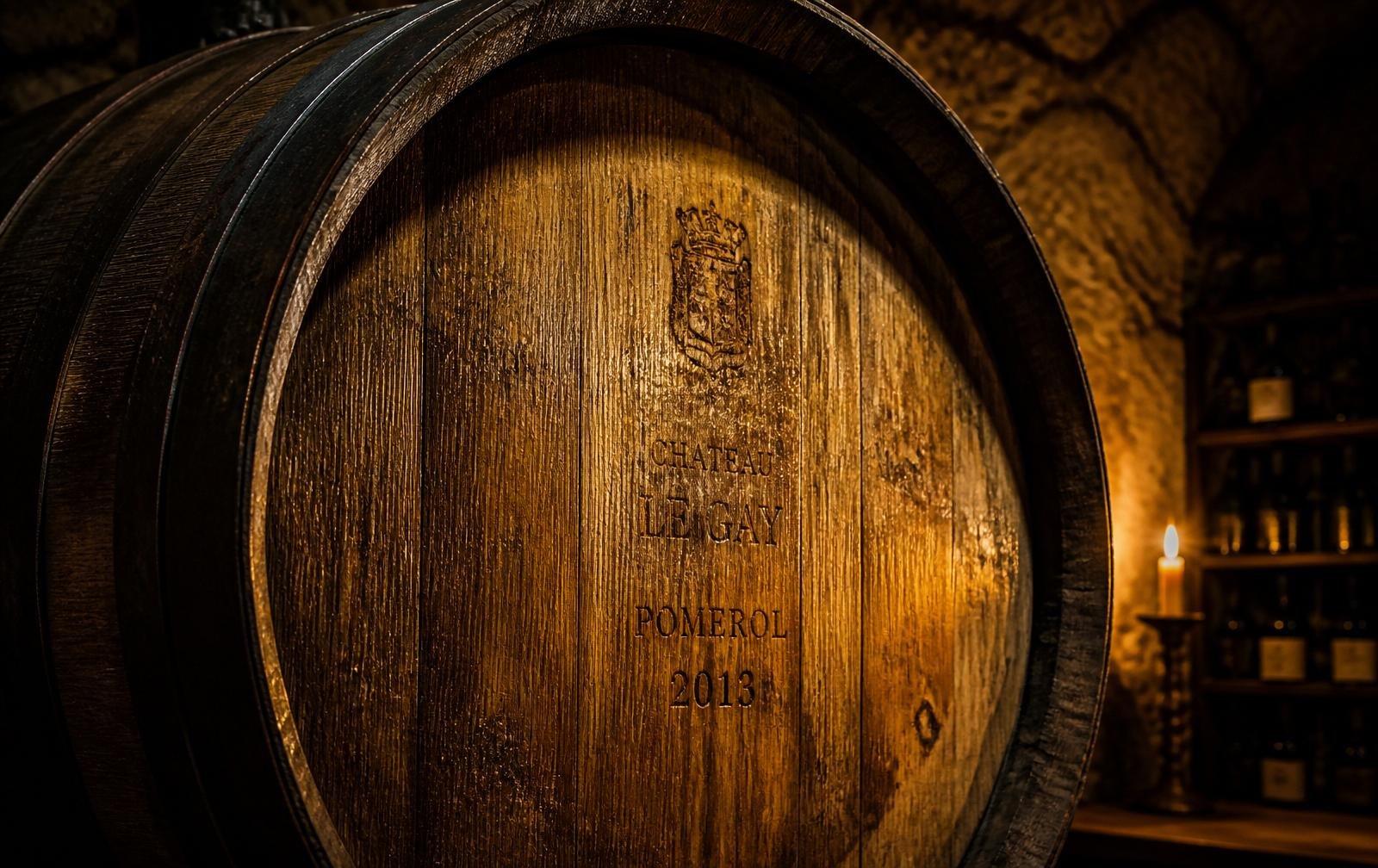
Foudre for aging hillside cuvées
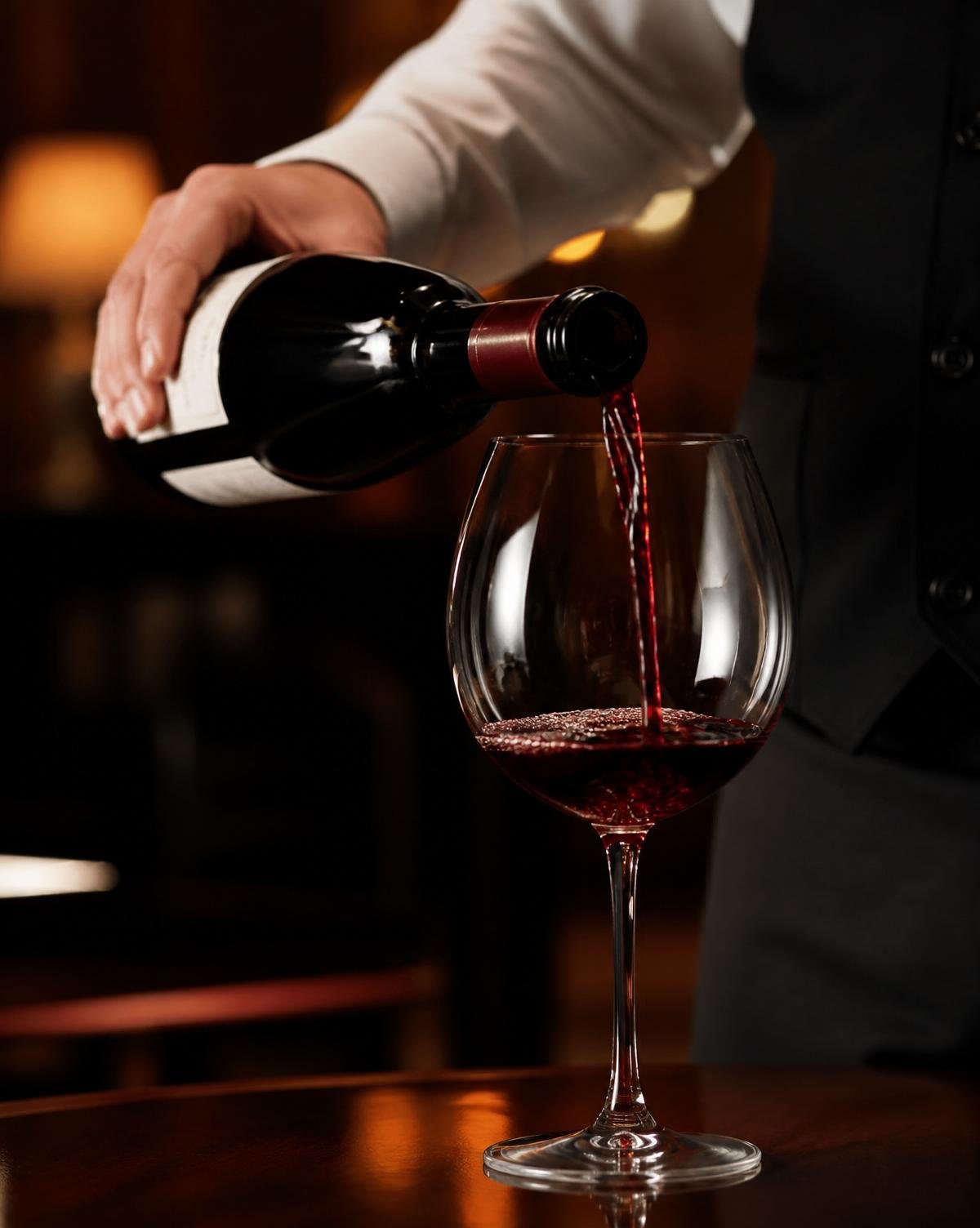
Tasting a Terrasses du Larzac red
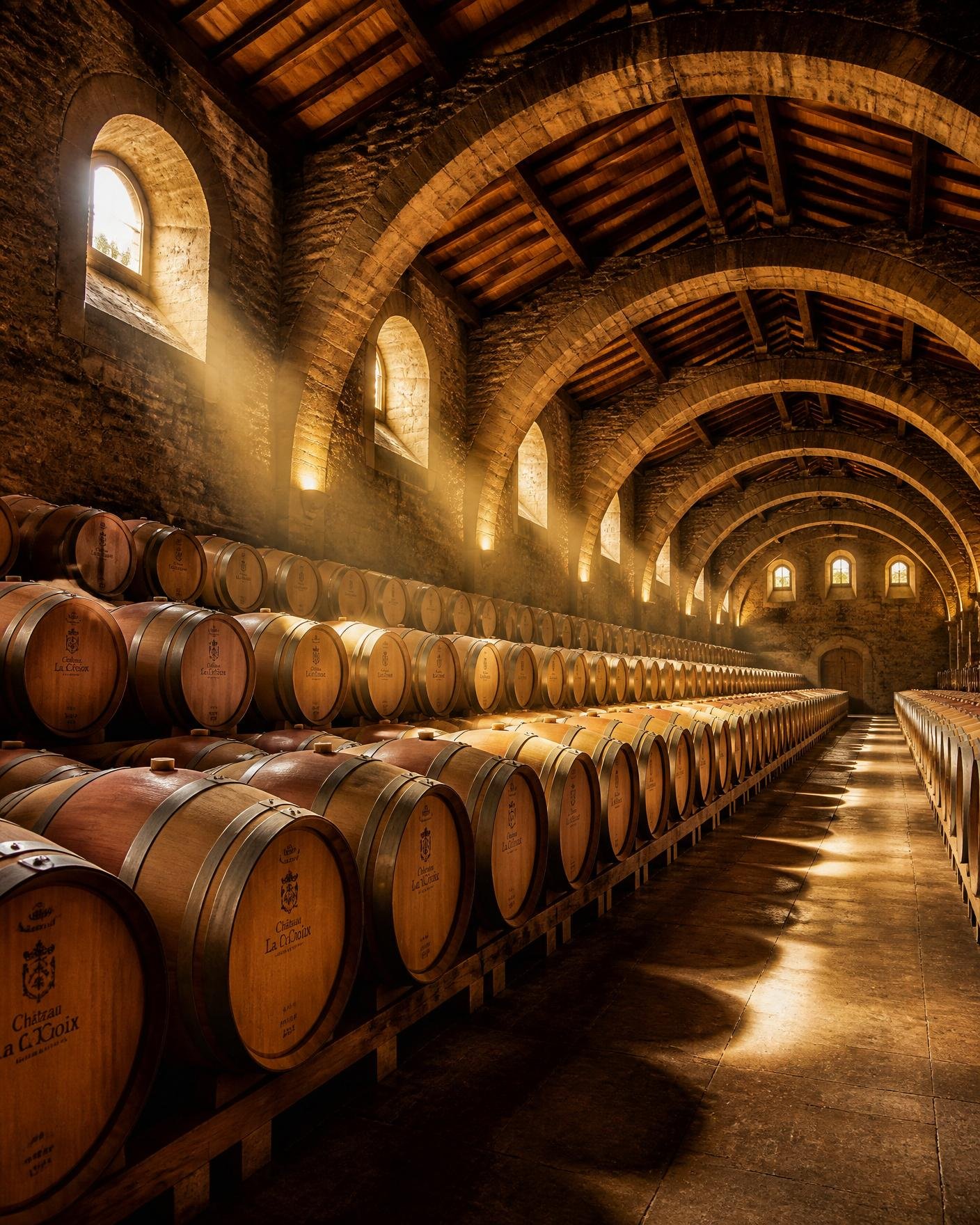
Cellar bathed in southern light
01
The Languedoc remains France's largest vineyard by total area, across all categories.
02
Limoux claims to have produced the very first known sparkling wine in the world, predating Champagne.
03
Some Languedoc carignan vines exceed eighty years of age, planted before the Second World War.
04
The Tramontane, the region's dominant wind, can blow for over a hundred days a year in some sectors.
05
Pic Saint-Loup, despite its Mediterranean climate, enjoys a cooler microclimate thanks to the surrounding relief's altitude.
06
The Languedoc saw one of Europe's largest quality-driven vine uprooting movements between 1990 and 2010.
The Languedoc proves that an entire region can reinvent itself: from a volume vineyard into a territory of sought-after crus, without renouncing the generous scale that is also part of its singularity.
For the Japanese importer seeking value and authentic discovery, the Languedoc offers considerable potential: characterful wines, at price points still accessible compared to historic regions.
This ability to transform with patience, generation after generation, without ever forcing the terroir it serves, faithfully reflects the spirit of takumi: progressing without ever betraying what matters most.