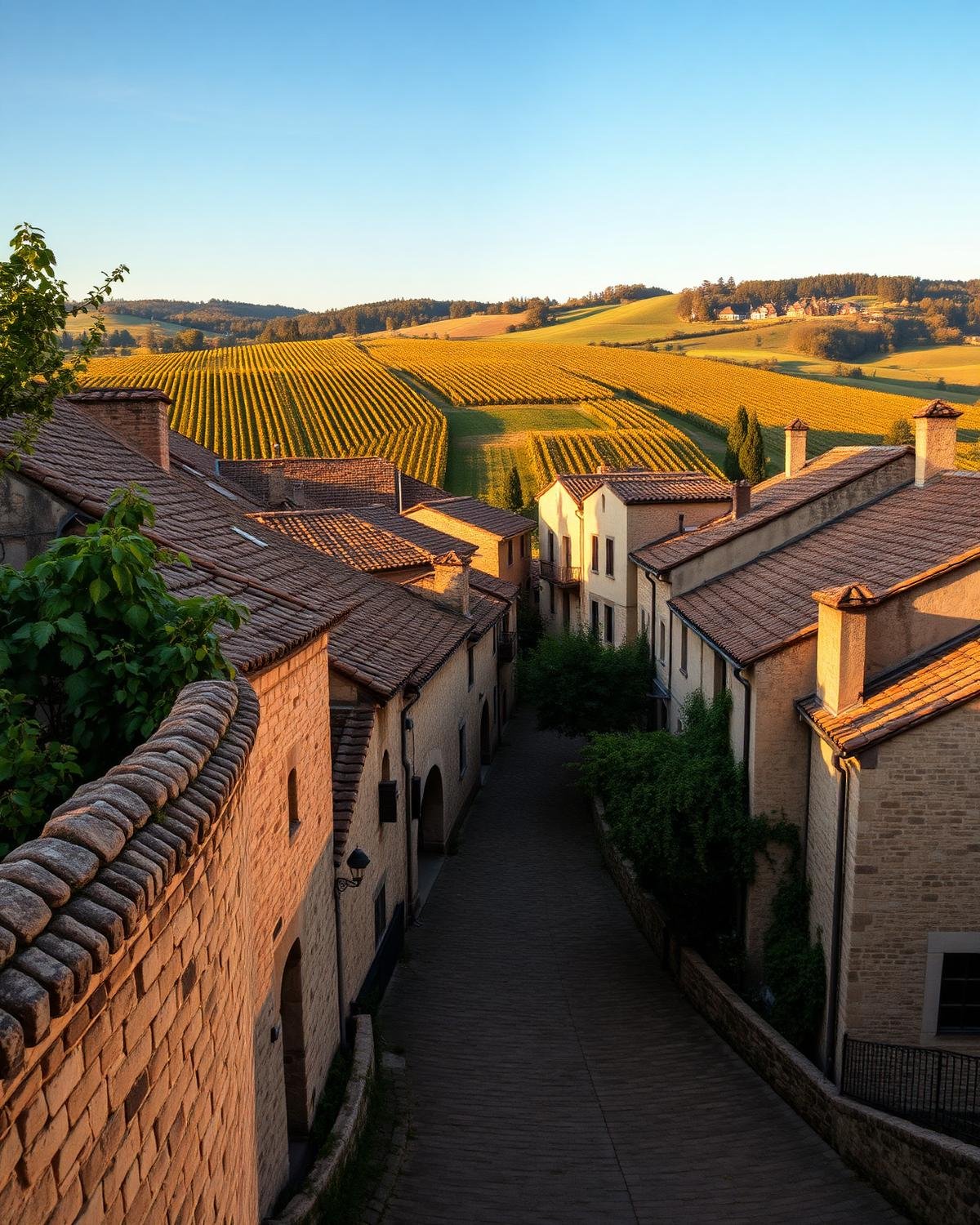
Burgundy
The art of the climats and single-plot precision
From Chablis to Mâcon, Burgundy invented a unique way of thinking about wine: that of the climat, the precise plot whose name alone conjures its character. Here, geography reads in the glass.
Burgundy's winemaking history takes root in the early Middle Ages, when Benedictine and later Cistercian monks undertook, from the 6th century onward, to clear and map the hillsides. At Cîteaux, the monks methodically observed taste differences between neighboring plots, an almost scientific approach that founded the notion of the climat.
The Clos de Vougeot, enclosed by Cistercian monks in the 12th century, became the symbol of this method: precisely delimiting a terroir to preserve its identity. This rigor of observation, passed down over generations, produced a cartography of unmatched precision anywhere else in the wine world.
At the French Revolution, the vast monastic estates were confiscated and broken up, sold off in small plots. This fragmentation, later reinforced by Napoleonic inheritance law, shaped the vineyard's current structure: a single climat can today belong to dozens of different owners.
Phylloxera struck Burgundy at the end of the 19th century with the same violence as elsewhere in France, forcing reconstruction of the vineyard on resistant rootstock. The 20th century then saw the progressive structuring of the appellation system, formalized from 1936 onward, which legally codified the hierarchy of climats.
In 2015, UNESCO inscribed Burgundy's climats onto the world heritage list, international recognition of a unique plot-delimitation system, the fruit of a thousand years of continuous observation.
Today, Burgundy combines artisanal rigor and assumed rarity: the modest size of many estates makes it one of the most sought-after, and hardest to access, regions in the wine world.
The Burgundy vineyard stretches nearly two hundred kilometers, from Chablis in the north to the Mâconnais in the south, in a narrow band of hillsides facing east-southeast. This precise topography, inherited from the Bresse fault, explains the fine distinctions between neighboring plots.
The Côte d'Or, the region's historic heart, splits into the Côte de Nuits, dominated by reds, and the Côte de Beaune, where whites and reds share excellence. Further south, the Côte Chalonnaise and Mâconnais broaden Burgundy's palette.
Area
≈ 29,500 ha under production
Latitude
46.5° to 48° north
Altitude
200 to 500 m
Classified climats
1,247 UNESCO plots
Appellations
84 AOC
Estates
≈ 3,800 winegrowers
Burgundy has a semi-continental climate, at the crossroads of oceanic and continental influences: cold winters, hot summers, and a real risk of spring frost on certain exposed hillsides.
This climatic variability, combined with soil precision, explains the scale of style differences from one vintage to the next, a trait that Burgundy lovers seek out and study with passion.
Type
Semi-continental
Rainfall
≈ 750 mm/year
Sunshine
≈ 1,950 h/year
Average temp.
11.2 °C
Burgundy's bedrock, shaped by Jurassic limestone movements, offers remarkable soil variety over distances sometimes under a hundred meters.
SOIL · 01
Limestone marl
Dominant on the great growths of the Côte de Nuits, it brings structure and depth to the most sought-after pinot noirs.
SOIL · 02
Comblanchien limestone
This hard white rock surfaces on the upper slopes, draining water perfectly and concentrating aromas.
SOIL · 03
Beaune clay-limestone
A balance of clay and limestone that favors the aromatic expression of the Côte de Beaune's chardonnays.
SOIL · 04
Chablis Kimmeridgian
This limestone, rich in marine fossils, gives chablis its characteristic saline minerality.
Pinot Noir
Burgundy red's king grape, sensitive and transparent, it faithfully translates every nuance of terroir.
Aromas: Cherry, raspberry, sweet spice, undergrowth with age
Pairings: Bresse poultry, feathered game
Chardonnay
On the great terroirs of Meursault or Puligny, it reaches unmatched aromatic definition and tension.
Aromas: Fresh butter, hazelnut, citrus, white flowers
Pairings: Fish in sauce, creamed poultry
Kimmeridgian Chardonnay
On Chablis soils, the same grape gives a radically different profile, taut and saline.
Aromas: Flint, lime, shellfish
Pairings: Oysters, sushi, raw fish
Mâconnais Chardonnay
Sunnier, it offers generous whites, more approachable young than their counterparts on the Côte.
Aromas: White-fleshed fruit, light honey
Pairings: Roast poultry, goat cheese
Mercurey Pinot Noir
A more rustic pinot, of frank fruit, offering an excellent balance of density and approachability.
Aromas: Red fruit, spice, damp earth
Pairings: Charcuterie, white meats
César
A rare, confidential grape used in small proportion in Irancy to reinforce color and structure.
Aromas: Black pepper, blackberry, firm tannin
Pairings: Rustic red meats
Burgundy's style is defined less by region than by the precise climat it comes from, a continuous hierarchy, from the simple regional appellation to the grand cru.
Grand cru
The pinnacle of the pyramid, produced on the most accomplished plots, always in confidential quantities.
Premier cru
Plots of recognized excellence, already offering a well-typed expression of the village.
Village
Wines bearing the commune's name, a faithful reflection of local style.
Regional
The Bourgogne appellation, broader, a faithful gateway into the region's spirit.
Mineral Chablis
A style apart, taut and saline, distinct from the rest of the Côte d'Or.
Eighty-four appellations make up Burgundy. Here are those that draw its backbone.
Chambertin
One of the most powerful grands crus of the Côte de Nuits.
Romanée-Conti
The rarest and most sought-after climat in the world.
Vosne-Romanée
An entire village of exceptional grand cru density.
Chambolle-Musigny
Pinot noir's elegance and aromatic lace.
Meursault
The world reference for rich, buttery chardonnay.
Puligny-Montrachet
Mineral tension taken to its summit.
Chablis
The most northern and saline expression of chardonnay.
Mercurey
The best of the Côte Chalonnaise, approachable and well-typed.
Burgundy's hierarchy reads across four levels, from the broadest climat to the most precise.
Grands Crus
Thirty-three classified climats at the summit, representing barely 1% of regional production.
Premiers Crus
Over 600 climats recognized for the consistent quality of their terroir.
Villages
Forty-four communal appellations, each village's affirmed identity.
Regional
Bourgogne and Bourgogne Aligoté, the broad base of the quality pyramid.
01
Harvest
Systematic manual picking, in small crates to preserve berry integrity.
02
Sorting
Meticulous sorting table, berry by berry on the most demanding grands crus.
03
Destemming
Full or partial destemming depending on the desired style and stem ripeness.
04
Vatting
Fermentation and maceration in vat, with gentle punch-downs for the most delicate pinots.
05
Pressing
For whites, direct pressing followed by fermentation in barrel or vat.
06
Aging
Twelve to twenty months in French oak barrels, the proportion of new wood varying by climat.
07
Bottling
Bottled without excessive filtration to preserve texture and terroir identity.
Bresse poultry in cream sauce
A Meursault chardonnay marries the creamy texture of the sauce.
Beef bourguignon
The quintessential regional pairing, village pinot noir with braised beef.
Chicken yakitori
A light Côte Chalonnaise pinot noir accompanies the tare sauce's caramelization.
Sea bream sashimi
A taut, saline chablis extends the white fish's freshness.
Autumn kaiseki
A Côte de Beaune premier cru suits the diversity of a seasonal kaiseki menu.
Aged Époisses
A dense, spicy grand cru red stands up to this powerful cheese.
Turbot with beurre blanc
A Puligny-Montrachet white answers the dish's buttery richness.
The great red growths of the Côte de Nuits can be cellared twenty to thirty years in the best vintages, while the white growths of the Côte de Beaune develop, after a decade, honeyed and dried-fruit notes of great complexity.
Burgundian service demands delicacy: moderate temperature so as not to crush the pinot noir's finesse, a wide glass for evolved reds, a narrower one to preserve the tension of great whites.
Temperature (red)
15 to 16 °C
Temperature (white)
12 to 14 °C
Chablis
10 to 12 °C
Decanting
0 to 1 h (delicate red)
Cellar storage
12 °C, 75% humidity
Glassware
Large burgundy balloon
February to March
Pruning
Guyot or cordon pruning depending on appellation, completed before budbreak.
April
Budbreak
Early awakening of the vine, exposed to spring frost risk.
June
Flowering
A decisive period, often disrupted by Burgundy's climatic instability.
July
Véraison
Pinot noir changes color, beginning its final ripening.
Late August
Chablis harvest
The first chardonnays of the north are picked, often the earliest.
September
Côte d'Or harvest
Methodical manual picking, climat by climat, often into small crates.
October
Mâconnais harvest end
The last sun-drenched chardonnays of the south complete the regional harvest.
Winter
Aging
The wines begin their time in barrel in the region's vaulted cellars.
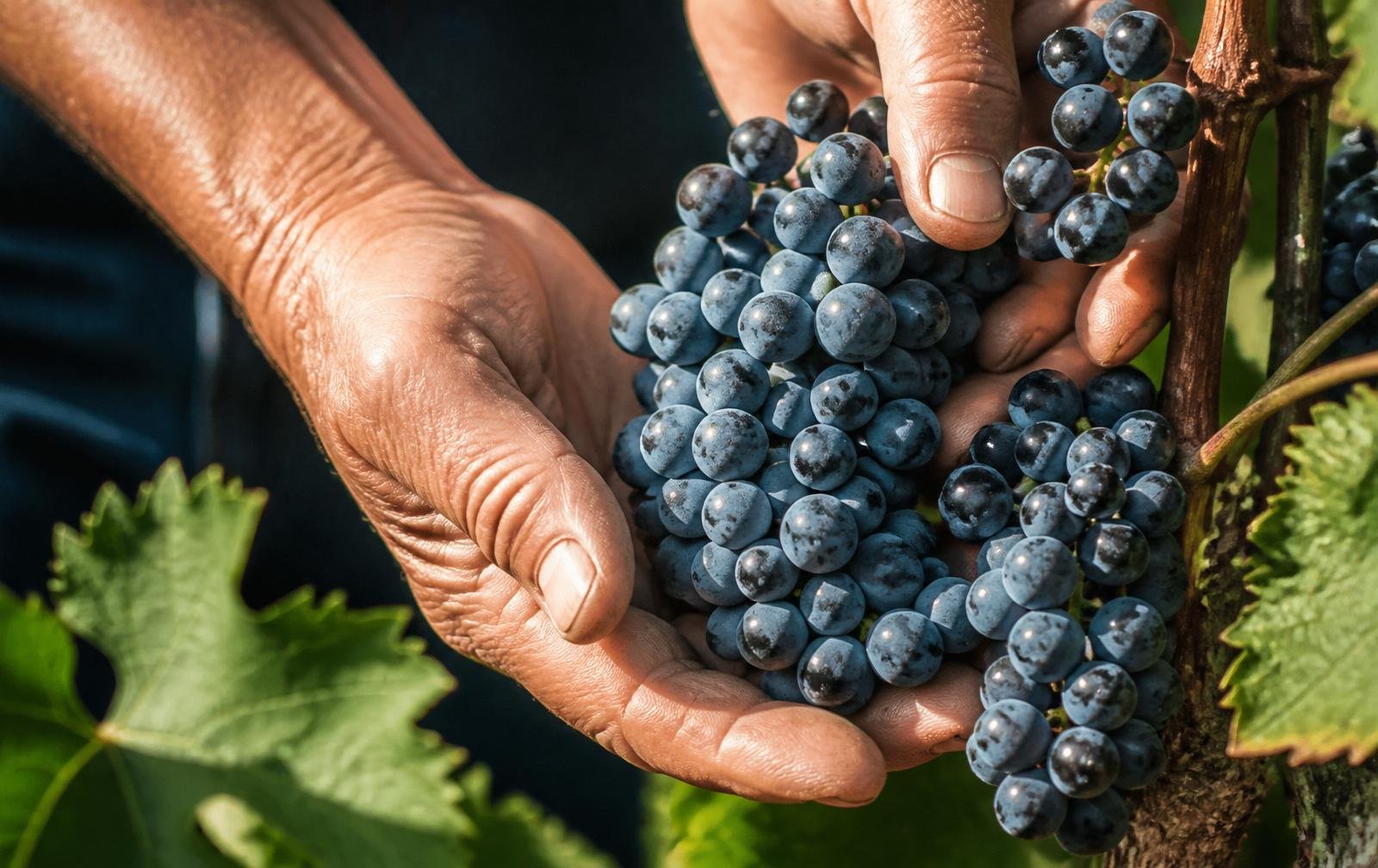
Manual sorting of pinot noir at the plot
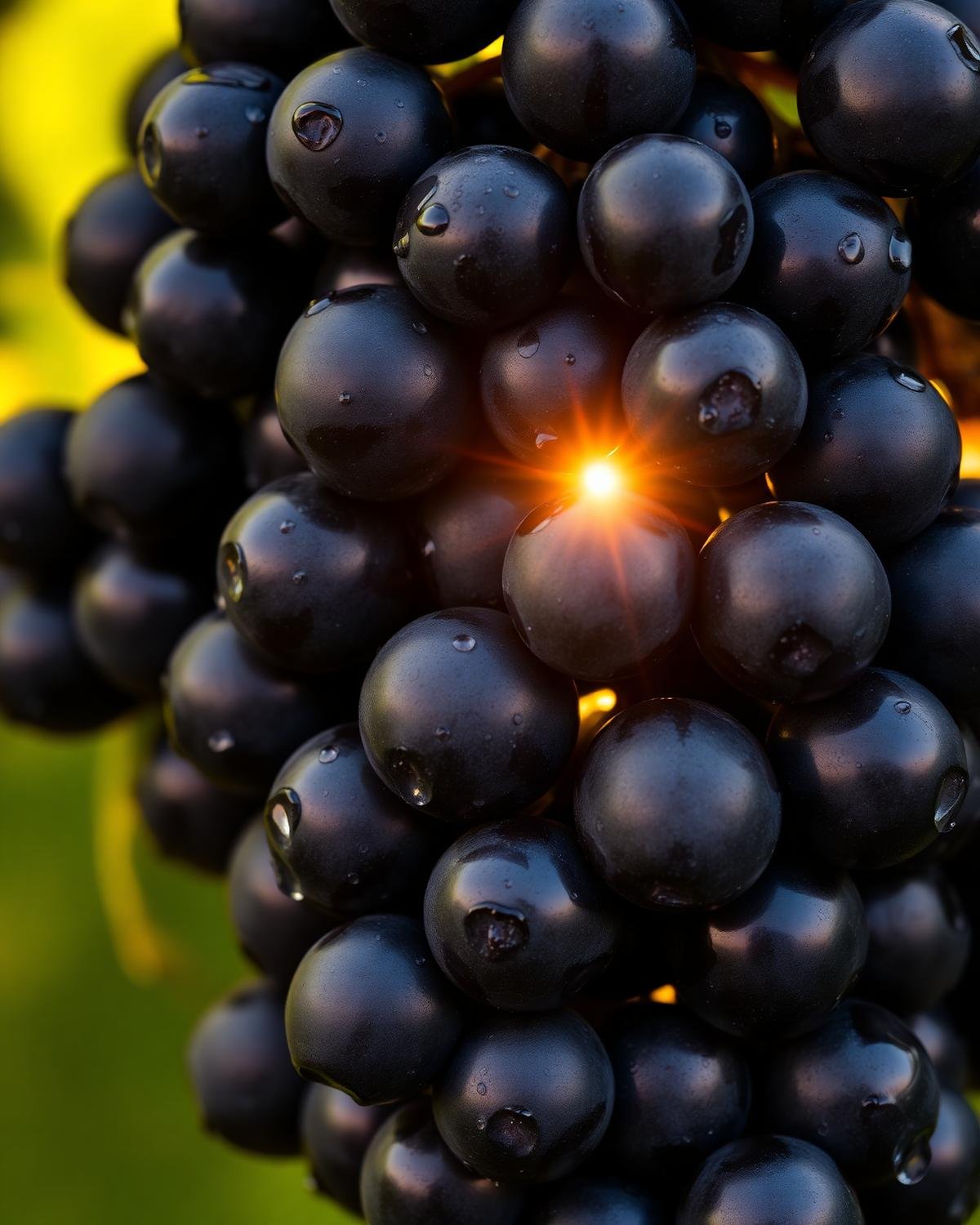
Chardonnay at the end of véraison
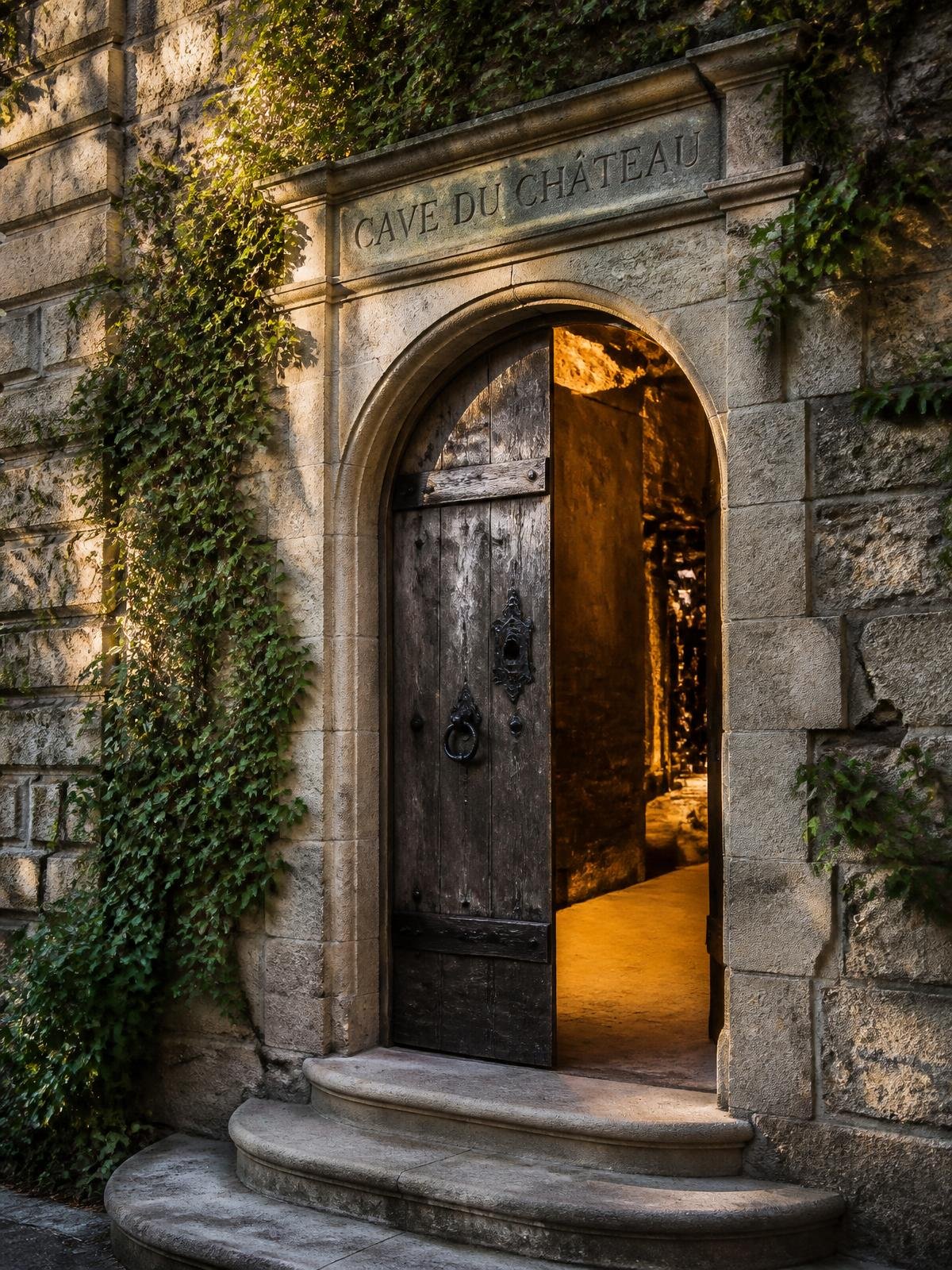
Vaulted cellar of a family estate
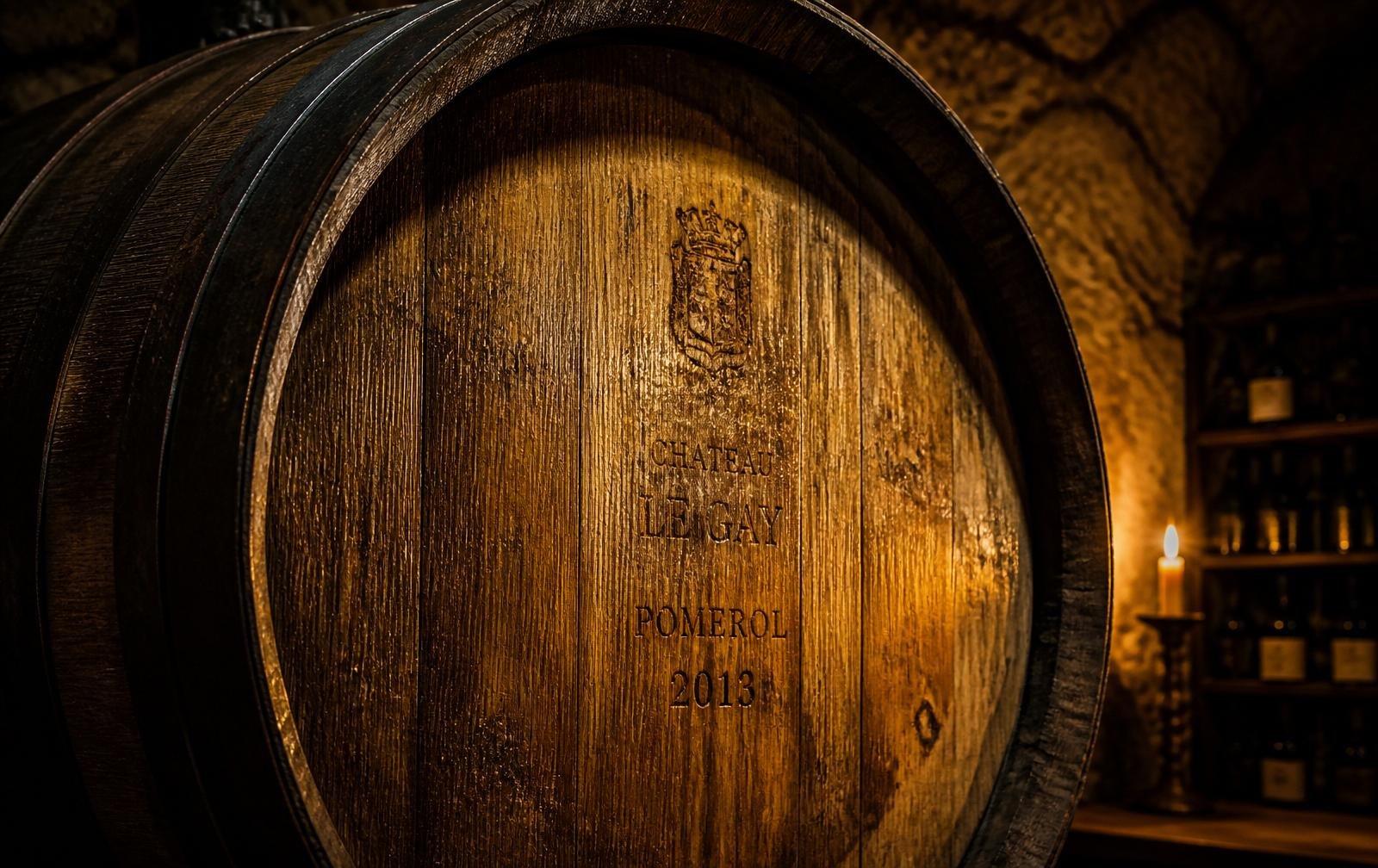
Aging in French oak barrels
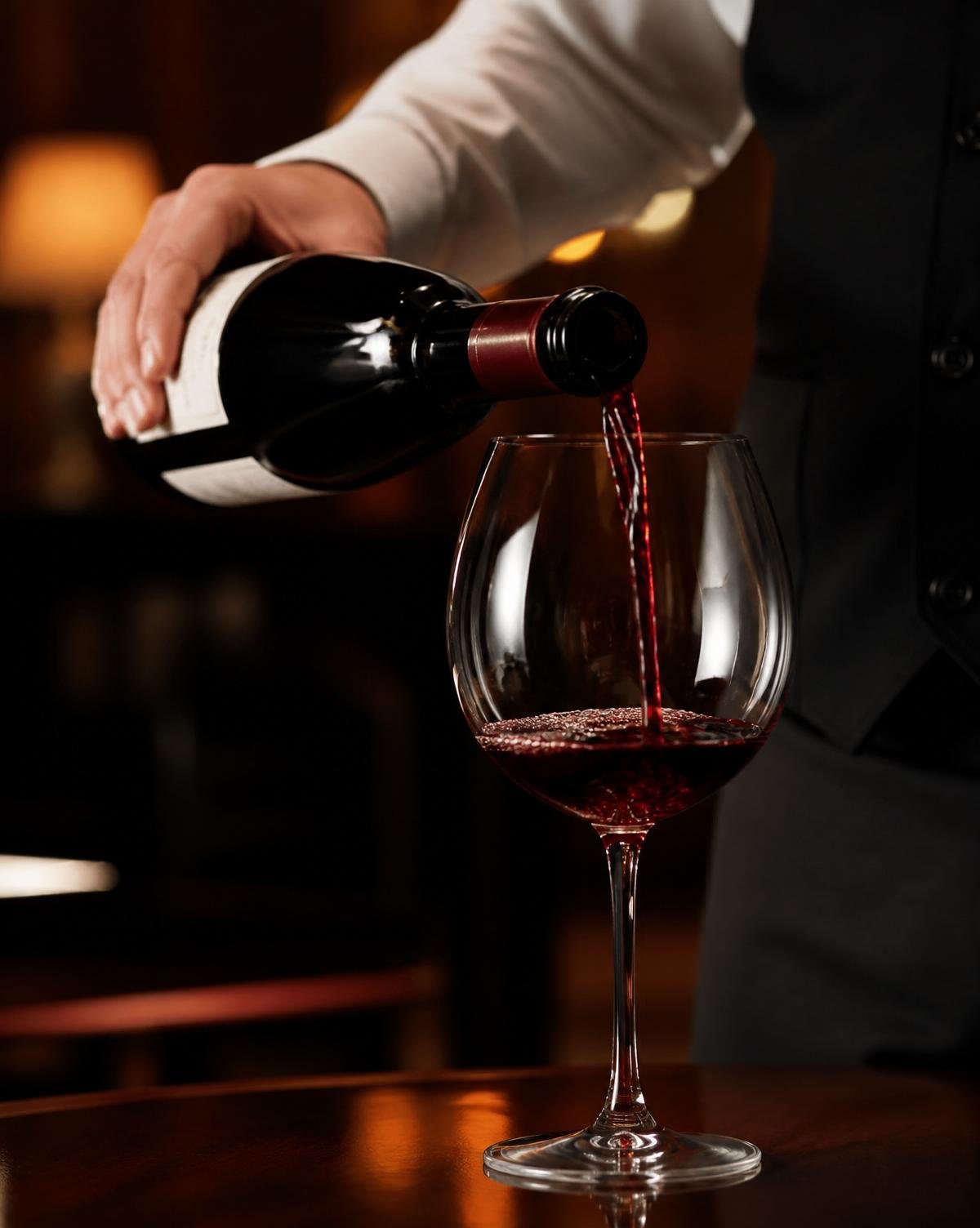
Tasting a Côte de Nuits grand cru
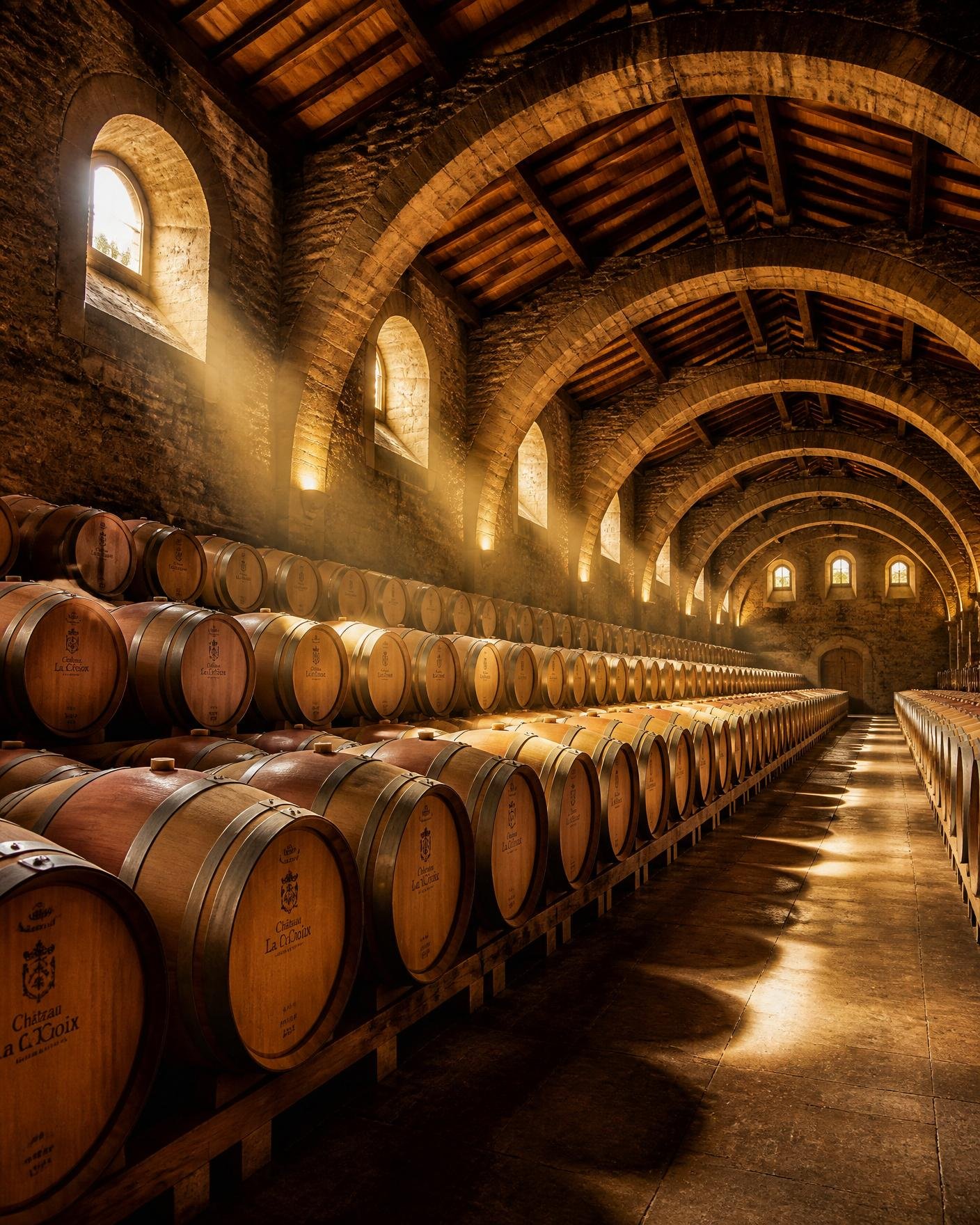
Traditional cellar, winter light
01
Burgundy's climats have been UNESCO World Heritage listed since 2015.
02
Some grands crus cover under two hectares, shared among dozens of owners.
03
The Clos de Vougeot, enclosed in the 12th century by Cistercian monks, today counts over eighty owners.
04
Romanée-Conti, the rarest climat in the world, does not exceed 1.8 hectares.
05
Burgundy has only two main grape varieties, pinot noir and chardonnay, against sometimes ten or more elsewhere.
06
Some Burgundy vintages are so rare that their price doubles as soon as low yields are announced.
Burgundy embodies a singular idea: that the precise place, more than the brand or the grape, shapes a wine's character. This philosophy of terroir has influenced winemaking worldwide.
For a Japanese market attentive to exact provenance and artisanal authenticity, Burgundy's plot-level precision offers immediate resonance: every climat tells a verifiable story, anchored in a precise place.
This exacting attention to detail, this humility before a terroir greater than oneself, directly echoes the spirit of takumi: patient work, without ostentation, where mastery is measured by rightness, never by display.