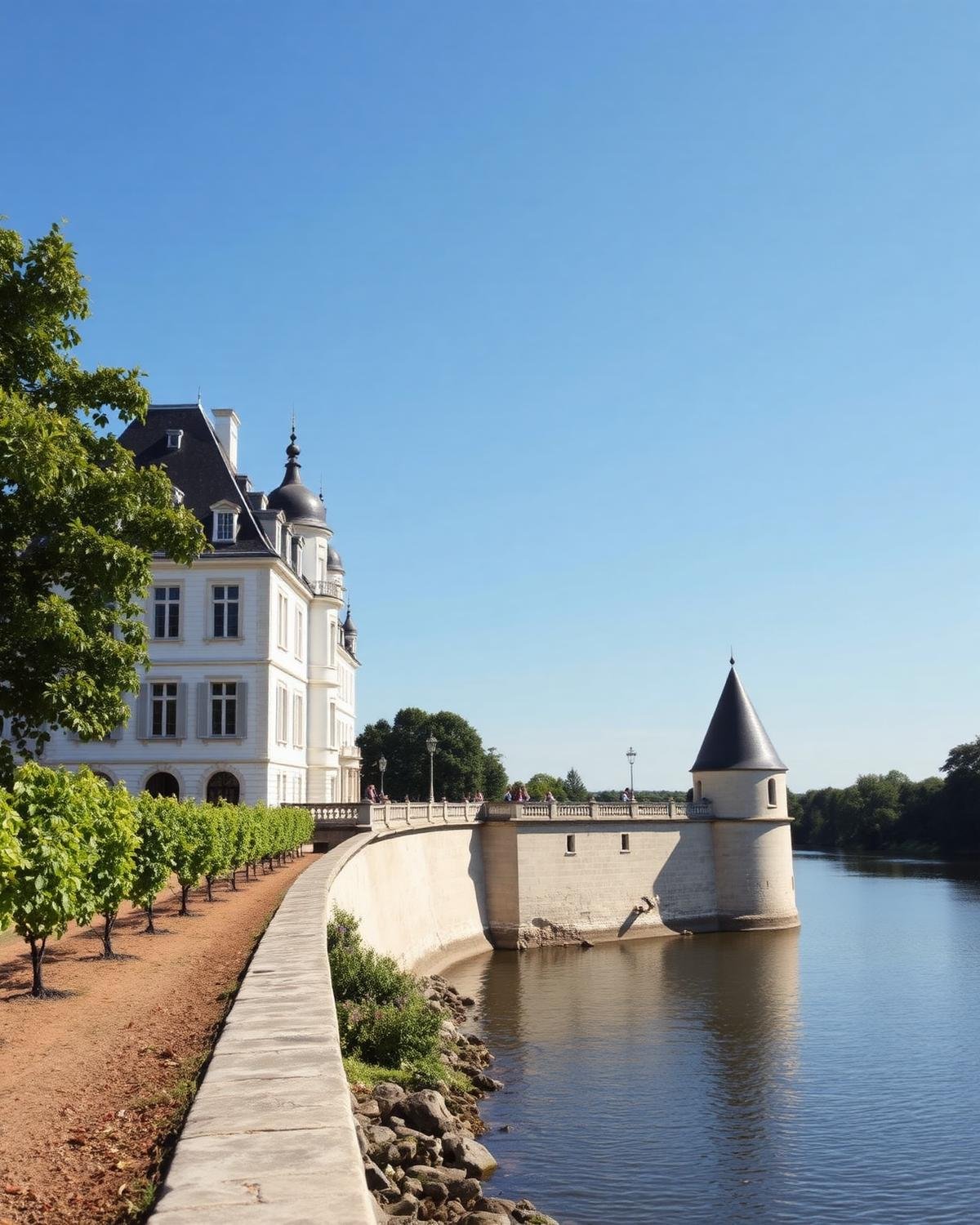
Loire
One river, unrivaled diversity
From the Nantes region to the Sancerrois, France's longest river links an archipelago of terroirs of unmatched diversity, where every grape finds, within a few dozen kilometers, its truest expression.
The vine has followed the Loire since Gallo-Roman times, the river serving as a favored transport route between the inland territories and the Atlantic. This navigable waterway long determined the commercial prosperity of riverside vineyards.
In the Middle Ages, the kings of France, settled in the châteaux of the Loire, made the region a courtly vineyard, cultivated to supply the royal table. This aristocratic prestige left a lasting mark on the image of refinement associated with Loire wines.
The Renaissance cemented this royal vocation: châteaux and vineyards developed together, with Rabelais himself celebrating the region's wines in his work, notably those of Chinon.
The 19th century saw phylloxera strike the Loire hard, causing the disappearance of many historic grape varieties in favor of a narrower but better-adapted selection, shaping the current ampelographic landscape.
The 20th century progressively organized the appellation system along the river, each one recognizing the specificity of a precise terroir, from Nantes muscadet to Sancerre in the Centre-Loire.
Today, the Loire stands as a laboratory for French organic and biodynamic viticulture, carried by a generation of winemakers committed to a natural, sincere expression of their terroirs.
The Loire vineyard stretches over four hundred kilometers, from the Atlantic estuary to the edges of the Berry. This exceptional span crosses radically different geologies, from Armorican granite to Centre-Loire limestone.
Four major regions structure this long ribbon of vines: the Nantes area, Anjou-Saumur, Touraine, and the Centre-Loire, each with its own grapes, soils and climate.
Area
≈ 51,000 ha under production
Latitude
47° to 48° north
Altitude
10 to 200 m
Vineyard length
≈ 400 km along the river
Appellations
51 AOC
Estates
≈ 4,500 winegrowers
The Loire's climate shifts progressively from west to east: temperate oceanic near the Atlantic, taking on semi-continental influences as one moves toward the Centre-Loire, further from the sea.
The river itself acts as a constant thermoregulator, moderating summer heat excess and reducing frost risk on plots close to its banks.
Type
Oceanic to semi-continental
Rainfall
≈ 650 mm/year
Sunshine
≈ 1,900 h/year
Average temp.
11.5 °C
The Loire's geological diversity has few equals in France, offering an exceptional canvas of expression for each grape variety.
SOIL · 01
Nantes granite and schist
These crystalline, acidic soils suit melon de Bourgogne perfectly, the grape behind muscadet.
SOIL · 02
Touraine tuffeau
This soft limestone, also used to build the Loire châteaux, gives finesse and freshness to chenin whites.
SOIL · 03
Sancerrois flint
This siliceous soil gives sauvignon blanc an immediately recognizable smoky minerality.
SOIL · 04
Limestone pebbles
Found around Sancerre and Pouilly, they bring tension and aromatic liveliness.
Sauvignon Blanc
The king of Sancerre and Pouilly-Fumé, it expresses a precise, smoky minerality on flint.
Aromas: Boxwood, citrus, gunflint
Pairings: Fresh goat cheese, sashimi, seafood
Chenin Blanc
A chameleon grape, it produces dry, sweet or sparkling wines of remarkable longevity.
Aromas: Quince, honey, white flowers, beeswax
Pairings: Creamed poultry, foie gras
Melon de Bourgogne
Muscadet's sole grape, it produces lively whites, often aged on lees for more texture.
Aromas: Citrus, iodine, fresh almond
Pairings: Oysters, shellfish
Cabernet Franc
The signature red grape of Chinon and Bourgueil, offering freshness and noble vegetal notes.
Aromas: Raspberry, bell pepper, violet
Pairings: Charcuterie, roast poultry
Pinot Noir
Found in Sancerre and Menetou-Salon, it offers a light, fruity version of the Burgundy grape.
Aromas: Cherry, redcurrant, light spice
Pairings: Poultry, grilled fish
Chasselas
A historic, confidential grape from Pouilly-sur-Loire, bringing simplicity and thirst-quenching freshness.
Aromas: Crisp white fruit
Pairings: Light summer cuisine
The Loire cultivates an unmatched diversity of styles in France, from taut dry whites to the richest sweet wines, via traditional-method sparkling.
Mineral sauvignon
Lively and precise, the Centre-Loire's signature on siliceous soils.
Dry chenin
Taut and complex, capable of remarkable aging.
Sweet chenin
Botrytized sweet wines of the Coteaux du Layon, between honey and freshness.
Cabernet franc red
Fresh and easy-drinking, typical of Chinon and Bourgueil.
Crémant de Loire
Traditional method, an elegant, approachable alternative to champagne.
Muscadet sur lie
Lively and textured, the perfect match for Atlantic seafood.
Fifty-one appellations line the river. Here are those that best sum up its diversity.
Sancerre
The world reference for mineral sauvignon blanc.
Pouilly-Fumé
Facing Sancerre, a smoky, pedigreed expression of the same grape.
Vouvray
Chenin in all its diversity, from dry to sweet.
Chinon
Touraine's most emblematic cabernet franc.
Bourgueil
A fresh, fruity red, close cousin of Chinon.
Muscadet Sèvre-et-Maine
The qualitative heart of the Nantes vineyard.
Coteaux du Layon
Anjou's most reputed sweet wines.
Savennières
A dry chenin of exceptional tension and cellaring potential.
The Loire structures its appellations not through a single pyramid, but by wine-growing district, each recognized as its own AOC.
AOC by wine district
Each major Loire region, Nantes, Anjou-Saumur, Touraine, Centre-Loire, has its own system of communal appellations.
Communal crus
Some communes, like Sancerre or Vouvray, benefit from stronger historic recognition within their wine district.
Crémant de Loire
A cross-regional appellation covering the entire Loire basin for sparkling wines.
01
Harvest
Manual picking for prestige cuvées, notably chenins destined for sweet wines.
02
Successive picks
For sweet wines, several passes through the vineyard select berries affected by noble rot.
03
Pressing
Direct pressing to preserve the aromatic freshness of dry whites.
04
Fermentation
Temperature-controlled fermentation, sometimes in stainless steel to preserve fruit.
05
Lees aging
A muscadet hallmark, bringing texture and complexity to the finished wine.
06
Prise de mousse
For crémants, second fermentation in bottle by the traditional method.
07
Bottling
Bottled after a variable aging period depending on style, from a few months to several years.
Tours-style rillettes
A light Chinon red pairs perfectly with this local specialty.
Nantes seafood
A lively, saline muscadet sur lie elevates shellfish and crustaceans.
Sea bass sashimi
A mineral sancerre extends the white fish's delicacy.
Vegetable tempura
A lively, textured dry chenin balances the fry's crispness.
Unagi and grilled eel
A sweet Layon chenin answers the glaze's sweet-savory notes.
Goat's milk crottin
The classic regional pairing, sauvignon blanc and local goat cheese.
Crémant de Loire
An elegant alternative to champagne for opening a prestigious meal.
The dry chenins of Savennières or Vouvray rank among France's longest-aging whites, capable of crossing twenty to thirty years while preserving freshness and complexity. Layon sweet wines can themselves keep for several decades.
Loire service favors freshness for dry whites and light reds, while sweet wines and great cellaring chenins benefit from a slightly warmer serving temperature to reveal their complexity.
Temperature (dry white)
10 to 12 °C
Temperature (light red)
13 to 15 °C
Sweet wine
8 to 10 °C
Decanting
0 to 1 h
Cellar storage
12 °C, 70% humidity
Glassware
Narrow tulip for mineral whites
February to March
Pruning
Guyot pruning predominates, adapted to the Loire's grape variety diversity.
April
Budbreak
Vegetative restart varies with proximity to the ocean or the continental climate.
June
Flowering
A decisive period, particularly monitored on chenins destined for sweet wines.
August
Véraison
Berry coloring, earlier in the Nantes area than in the Centre-Loire.
Mid-September
Muscadet harvest
Early picking of melon de Bourgogne on the Atlantic front.
Late September
Sancerre harvest
Sauvignon blanc picked at peak aromatic freshness.
October to November
Sweet wine selective picking
Successive passes through Layon chenin vines to select botrytized berries.
Winter
Aging
The wines begin aging, on lees or in vat depending on the desired style.
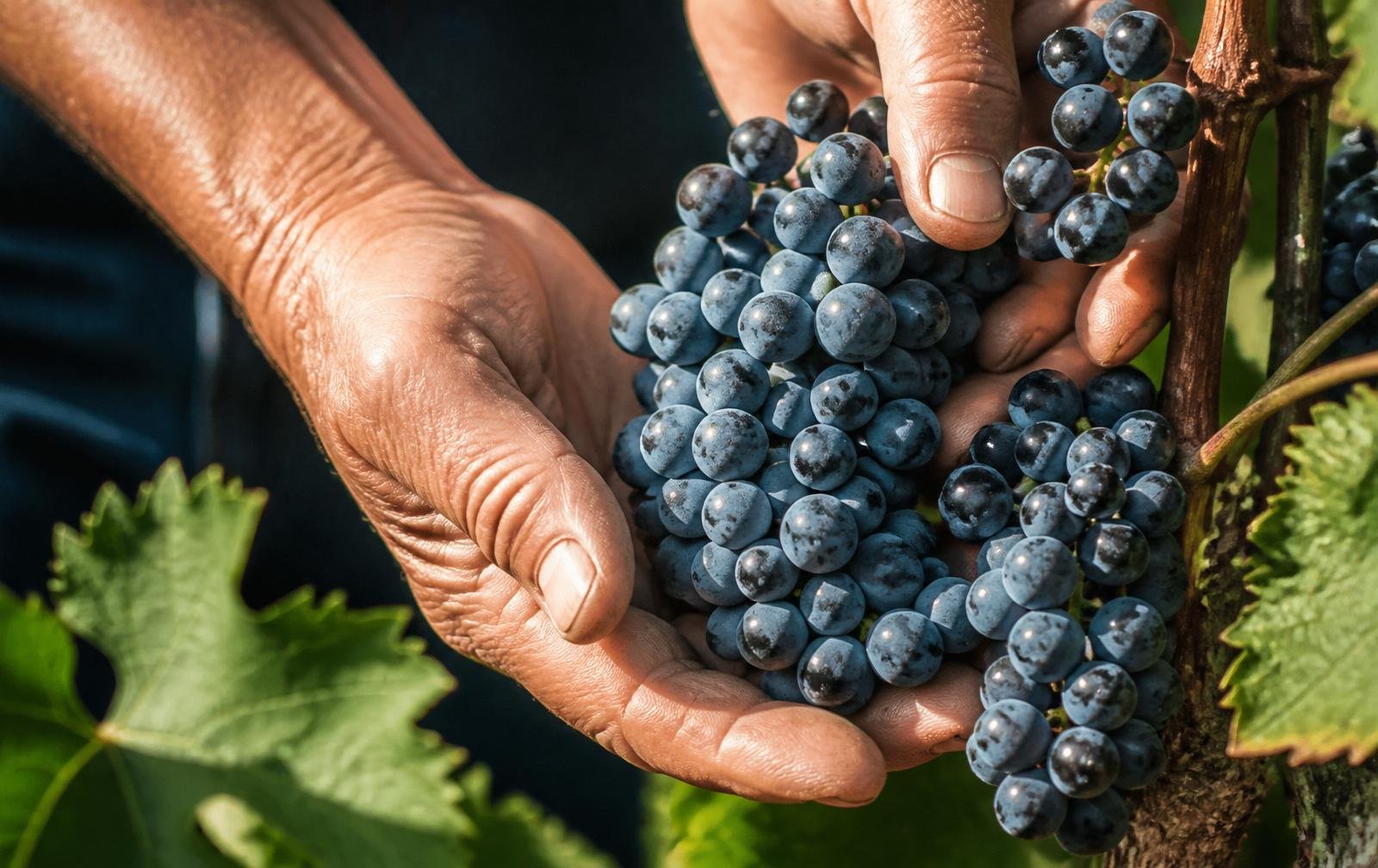
Manual harvest of chenin blanc
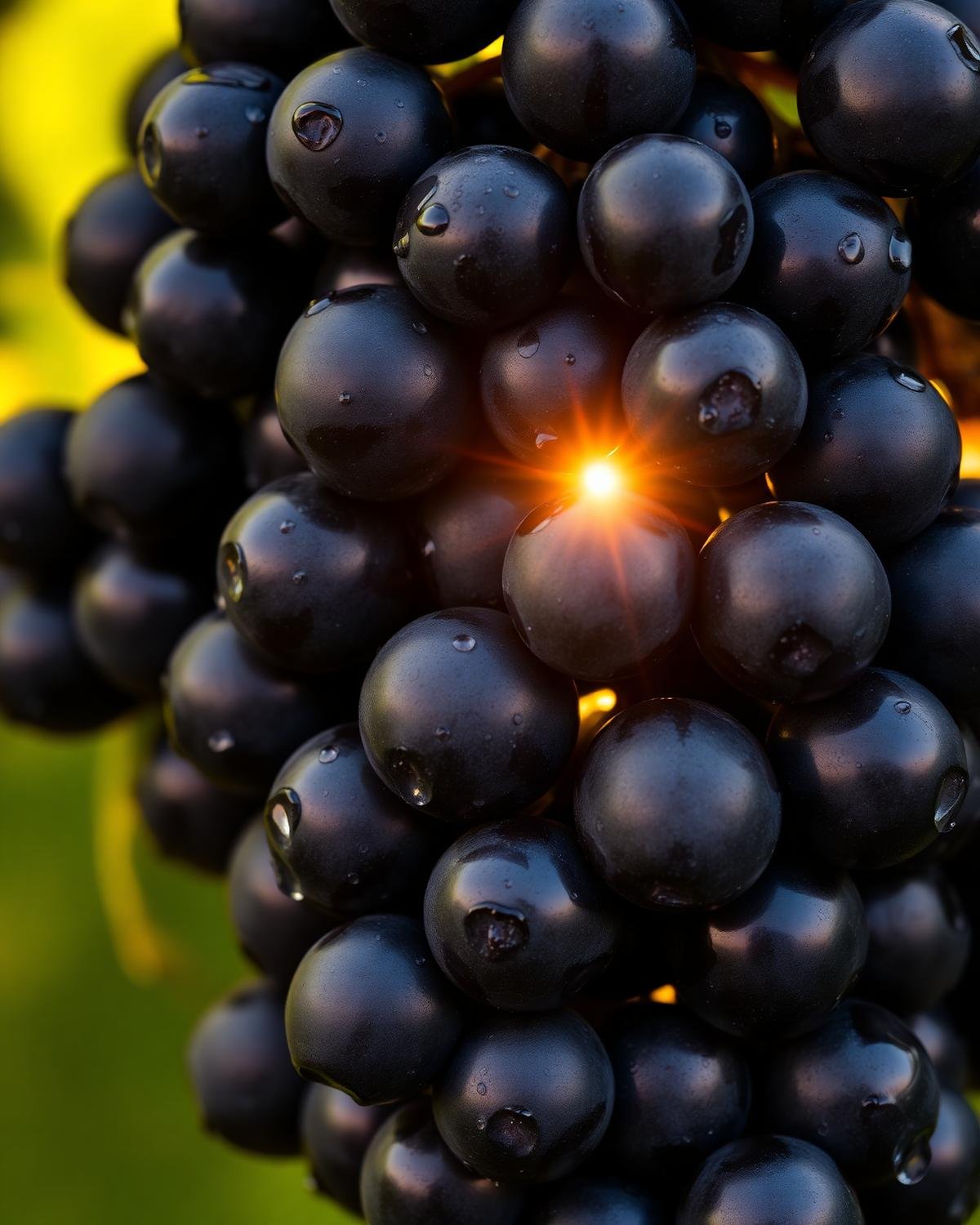
Sauvignon blanc from the Centre-Loire
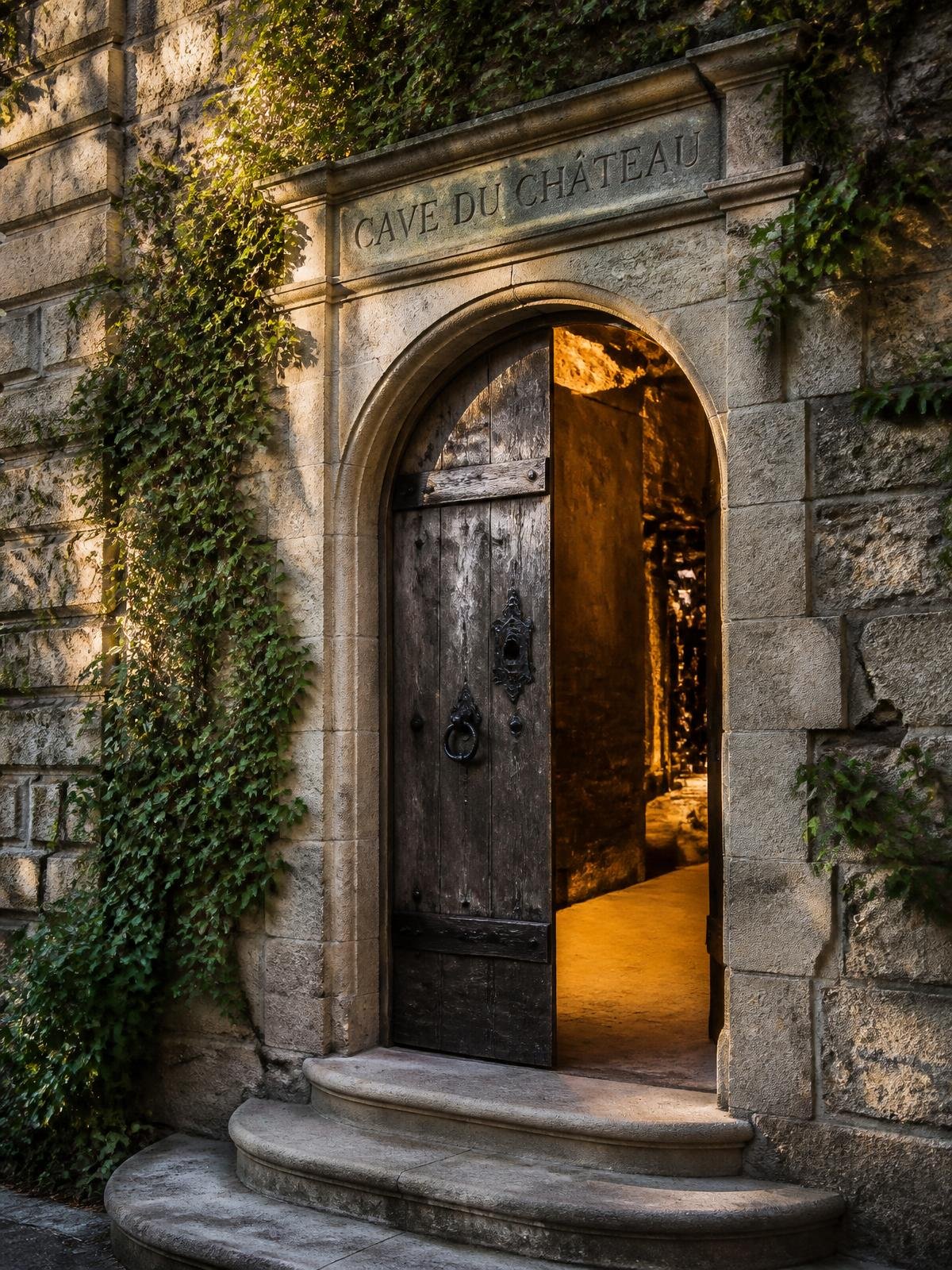
Troglodyte cellar carved into tuffeau
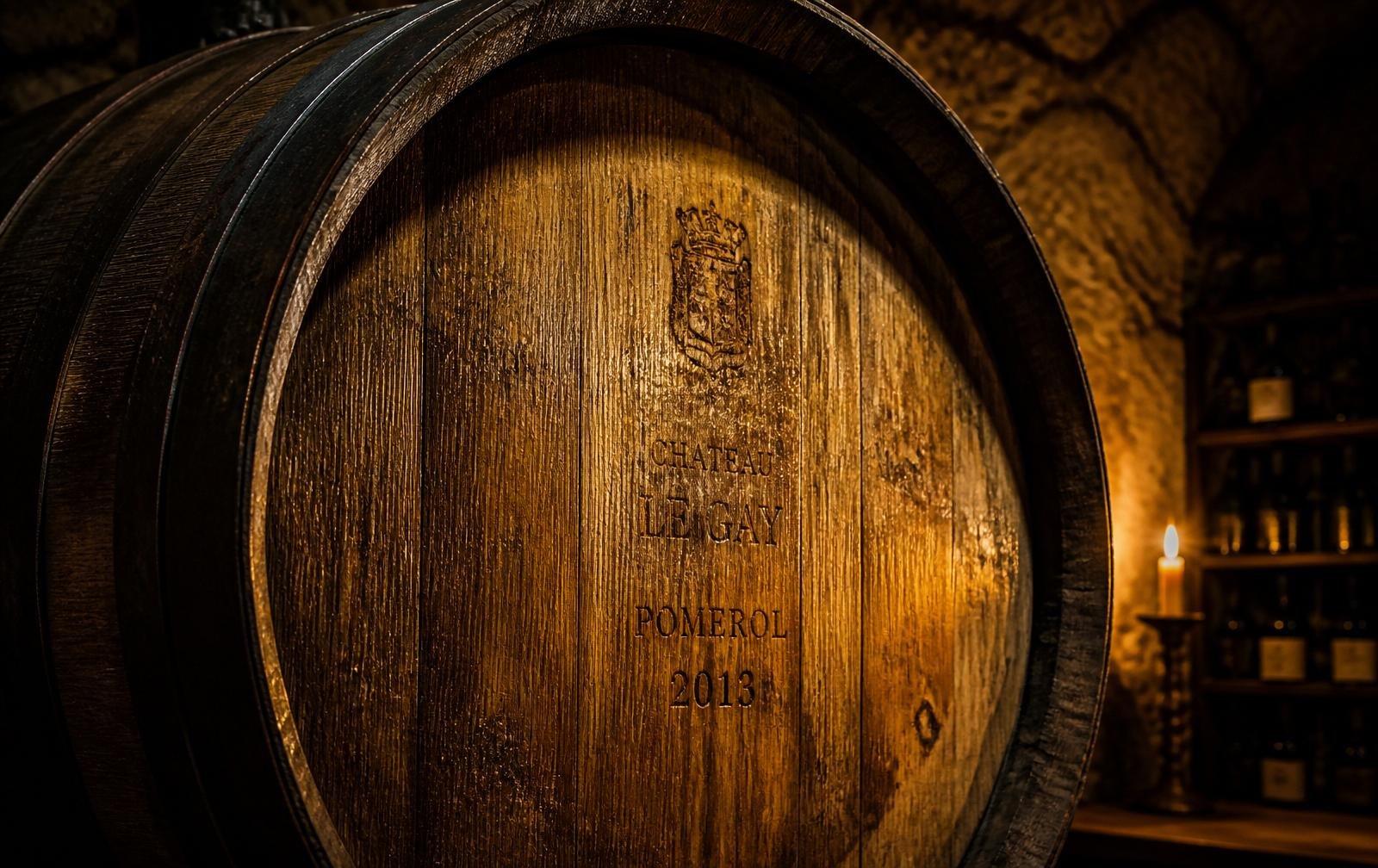
Aging of a cellaring chenin
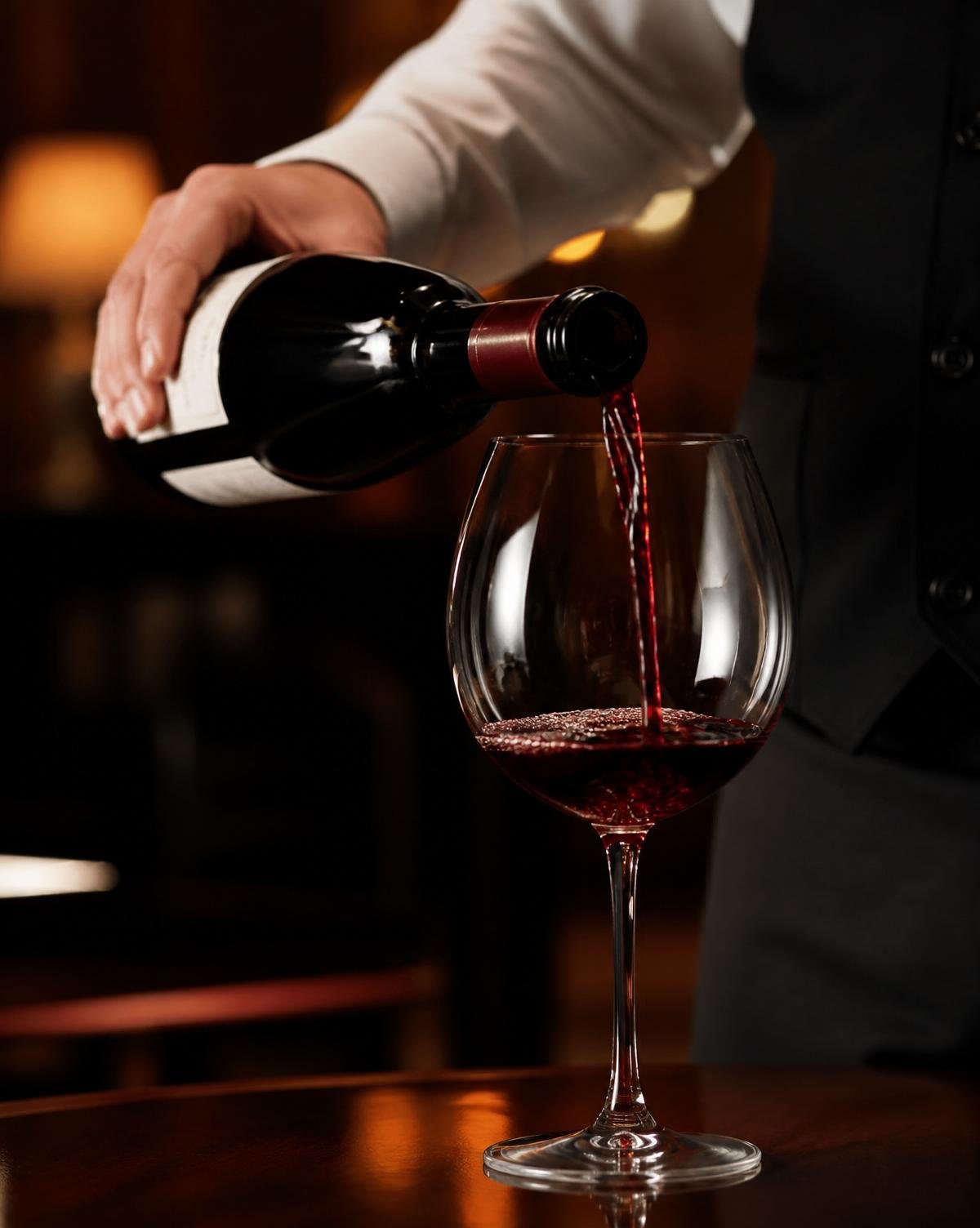
Tasting a mineral sancerre
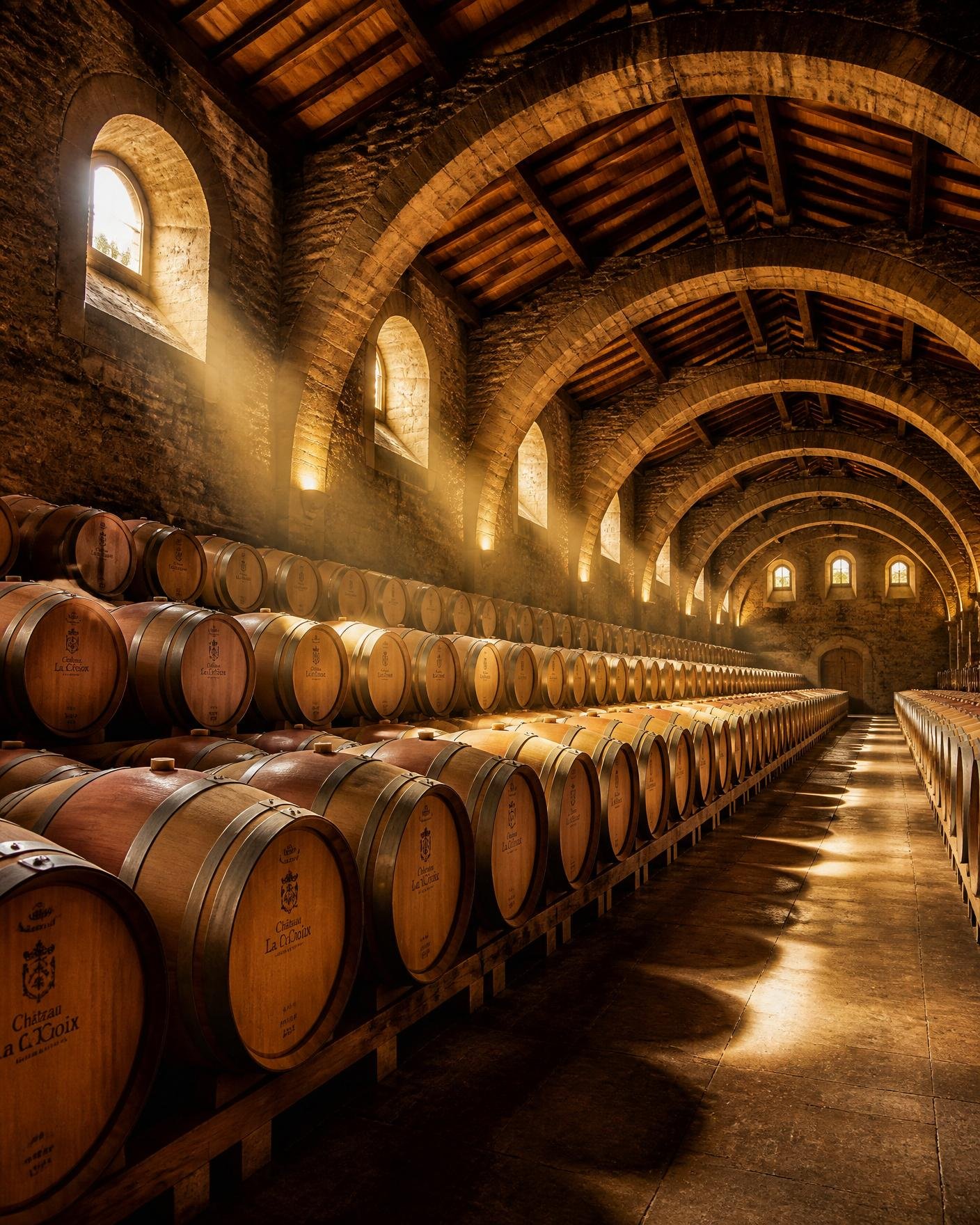
Traditional Loire Valley cellar
01
The Loire is France's longest wine river, with nearly four hundred kilometers of continuous vineyard.
02
Chenin blanc can produce four distinct styles from the same plot depending on the vintage: dry, off-dry, sweet and sparkling.
03
Many Loire cellars are carved directly into tuffeau, the limestone also used to build the royal châteaux.
04
The Loire is one of France's most committed regions to organic and biodynamic viticulture.
05
Sancerre and Pouilly-Fumé, separated only by the river, express the same grape in two radically different ways.
06
Some sweet Layon chenins can be cellared for over half a century.
The Loire proves that a single river can carry a diversity of styles unmatched elsewhere in France, from the tautest dry white to the richest sweet wine, via sparkling and light red.
For the Japanese importer seeking precise references for every moment at the table, aperitif, raw fish, dessert, this diversity is a rare asset: one partner, a full palette of answers.
This ability to cultivate a thousand nuances without ever losing precision, letting each terroir express itself with rightness rather than excess, faithfully embodies the spirit of takumi.