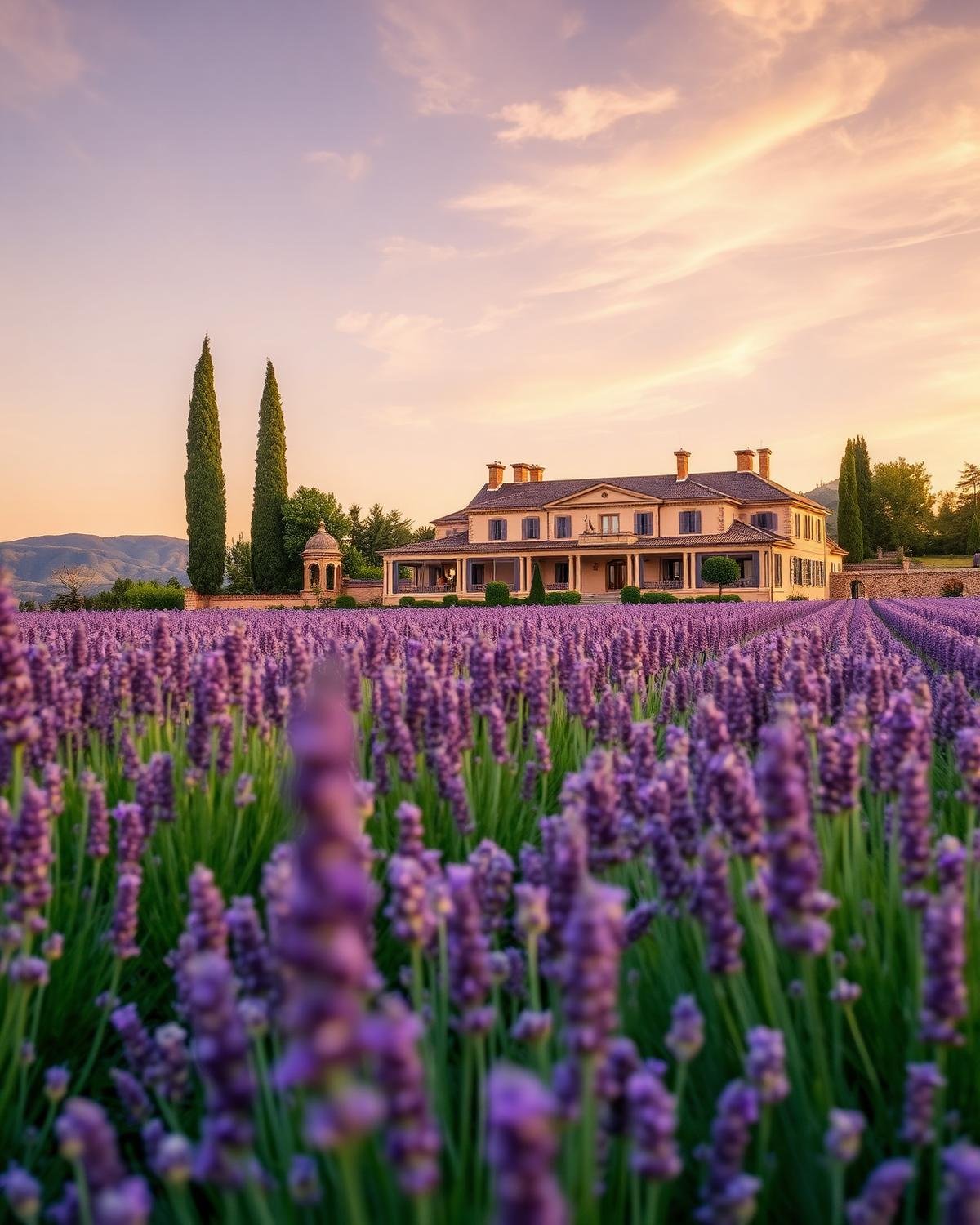
Provence
France's oldest vineyard, light as heritage
The cradle of French viticulture, planted by the Phocaeans over two thousand six hundred years ago, Provence has reinvented its tradition to become the world reference for gastronomic rosé.
Around 600 BCE, Greek settlers from Phocaea founded Massalia, present-day Marseille, and introduced the vine to the Provençal coast. Provence thus became the very first vineyard planted on French soil, preceding even Burgundy and Bordeaux by several centuries.
Under the Roman Empire, the Provincia Romana durably structured the territory, the vine spreading from the coast to the hills of the hinterland, carried by a flourishing Mediterranean trade.
In the Middle Ages, the popes of Avignon, counts of Provence on occasion, encouraged regional viticultural development, before the great aristocratic families built, during the Renaissance, the first structured great estates.
The 20th century saw Provence progressively specialize in rosé production, initially seen as a simple summer wine, before the best estates undertook, from the 1990s onward, a genuine qualitative revolution.
The creation of the Rosé Research and Experimentation Center, the world's only research institute devoted to this wine color, established at Vidauban, symbolizes this unprecedented scientific commitment to excellence.
Today, Provence stands as the world's leading producer of quality rosé, while preserving characterful reds and whites often little known outside France.
The Provençal vineyard stretches from the Mediterranean coast to the first foothills of the Alps, across a territory marked by the rugged relief of limestone massifs and the constant proximity of the sea.
Three major appellations structure the region: the Côtes de Provence, the largest, Bandol on its natural amphitheater facing the sea, and the Coteaux d'Aix-en-Provence, more continental.
Area
≈ 27,000 ha under production
Latitude
43° to 44° north
Altitude
0 to 450 m
Antiquity
Vineyard planted since 600 BCE
Appellations
9 AOC
Estates
≈ 500 private cellars
Provence enjoys France's most generous Mediterranean climate, with the country's highest sunshine levels. The mistral and sea breezes cleanse the vineyard and offset intense summer heat.
This unique combination of abundant light and cooling winds explains the pallor and freshness sought in Provence's best rosés, despite an otherwise very warm climate.
Type
Mediterranean
Rainfall
≈ 600 mm/year
Sunshine
≈ 2,900 h/year
Average temp.
14.6 °C
Provence's rugged relief, between limestone massifs and crystalline faults, shapes a mosaic of contrasting terroirs.
SOIL · 01
Côtes de Provence limestone
Dominant across most of the vineyard, it ensures optimal drainage and relative freshness under Mediterranean heat.
SOIL · 02
Bandol sandstone
This distinctive soil, on terraces facing the sea, gives Bandol's mourvèdre rare power and longevity.
SOIL · 03
Les Baux clay-limestone
Around the Alpilles, this soil favors structured reds, predominantly organic.
SOIL · 04
Maures schist
On the crystalline Maures massif, this acidic soil gives more taut wines, with pronounced minerality.
Grenache
The central grape of Provençal rosé, bringing fruity roundness and naturally generous alcohol.
Aromas: Strawberry, white peach, citrus
Pairings: Mediterranean cuisine, aperitif
Cinsault
It brings finesse, pallor and the characteristic aromatic lightness of Provence rosé style.
Aromas: White flowers, delicate red fruit
Pairings: Grilled fish, summer salads
Mourvèdre
A late-ripening grape requiring a warm climate, it gives Bandol powerful, long-cellaring reds.
Aromas: Leather, garrigue, black fruit
Pairings: Stew, meats in sauce
Syrah
Used in blends, it brings color and spice to the most structured Provençal reds.
Aromas: Pepper, black olive, ripe fruit
Pairings: Grilled lamb, spiced meats
Rolle (Vermentino)
Provence's noble white grape, giving full, saline wines, often aged on lees.
Aromas: Citrus, fennel, almond
Pairings: Bouillabaisse, rockfish
Tibouren
An ancestral, rare grape, grown for its aromatic finesse and natural pallor in rosé.
Aromas: Sweet spice, fresh red fruit
Pairings: Light Provençal cuisine
While rosé dominates Provençal production, the region cultivates a far broader palette of styles than one might imagine.
Gastronomic rosé
Pale, dry and structured, meant to accompany an entire meal, not just the aperitif.
Bandol red
Powerful and tannic, one of France's most underrated age-worthy reds.
Rolle white
Full and saline, a discovery for lovers of Mediterranean whites.
Saignée rosé
More structured and colored, from a short maceration of red grapes.
Summer red blend
Supple and fruity, designed for young, convivial drinking.
Nine appellations structure viticultural Provence, from the coast to the hinterland hills.
Côtes de Provence
The largest appellation, the world reference for pale rosé.
Bandol
Provence's great red, exceptionally age-worthy mourvèdre.
Cassis
A coastal appellation, saline whites facing the Mediterranean.
Coteaux d'Aix-en-Provence
A more continental terroir, structured reds and elegant rosés.
Les Baux-de-Provence
An organic farming stronghold at the foot of the Alpilles.
Palette
A confidential appellation, one of France's smallest.
Bellet
A rare urban vineyard overlooking Nice's bay.
Côtes de Provence Sainte-Victoire
A distinct geographic designation, at the foot of Cézanne's mountain.
Since 1955, Provence has had its own system for recognizing its finest estates.
Crus Classés de Provence
Eighteen historic estates classified in 1955, a distinction still in effect today.
Geographic designations
Sainte-Victoire, Fréjus, La Londe: sectors recognized for their typicity within the Côtes de Provence.
Grands Vins de Provence
A quality distinction highlighting exceptional cuvées from the region's finest terroirs.
01
Harvest
Frequent night picking to preserve berry freshness under the Mediterranean climate.
02
Direct pressing
For rosé, immediate pressing of whole grapes, without extended maceration.
03
Cold settling
Low-temperature clarification to preserve pallor and aromatic purity.
04
Cold fermentation
Slow, temperature-controlled fermentation, essential to the finesse of Provençal rosé.
05
Extended maceration
For Bandol reds, extensive maceration extracts mourvèdre's tannic structure.
06
Aging
In vat for rosé's freshness, in foudre or barrel for age-worthy reds.
07
Bottling
Early bottling for rosés to preserve freshness, later for structured reds.
Bouillabaisse
A full, saline rolle white accompanies the saffron broth's richness.
Ratatouille
Provençal gastronomic rosé naturally marries Mediterranean vegetables.
Sea bream sashimi with yuzu
A pale, lively rosé extends yuzu's tangy freshness.
Seafood tempura
Rolle's saline structure balances the fry's crispness.
Grilled vegetable yakitori
A more textured saignée rosé accompanies the grill's light caramelization.
Provençal daube
Bandol's powerful red answers the traditional stew's richness.
Tapenade and crudités
A classic, fresh, easy-drinking Côtes de Provence ideally opens the meal.
Contrary to popular belief, Provence's best structured rosés benefit from three to five years of cellaring, while Bandol reds rank among France's most underrated age-worthy wines, capable of crossing fifteen to twenty years.
Service calls for clean freshness for rosé, served young and lively, while Bandol reds benefit from decanting to soften the tannins still present in their youth.
Temperature (rosé)
8 to 10 °C
Temperature (Bandol red)
16 to 17 °C
Rolle white
10 to 12 °C
Decanting (Bandol)
1 to 2 h
Cellar storage
13 °C, 65% humidity
Glassware
Narrow rosé glass, balloon for Bandol
February to March
Pruning
Traditional goblet pruning, adapted to Provence's dry, windy climate.
April
Budbreak
Early vegetative restart thanks to Mediterranean mildness.
May
Flowering
Generally clement under Provence's stable climate.
July
Véraison
Early berry coloring under the region's intense sunshine.
Late August
Night harvest
Nocturnal picking to preserve the freshness of grapes destined for rosé.
September
Rosé harvest
Grenache and cinsault picked at peak aromatic freshness.
Late September
Bandol harvest
Mourvèdre, a late-ripening grape, is picked last on the coastal terraces.
Winter
Aging
Rosés complete their short aging, Bandol reds begin their longer one.
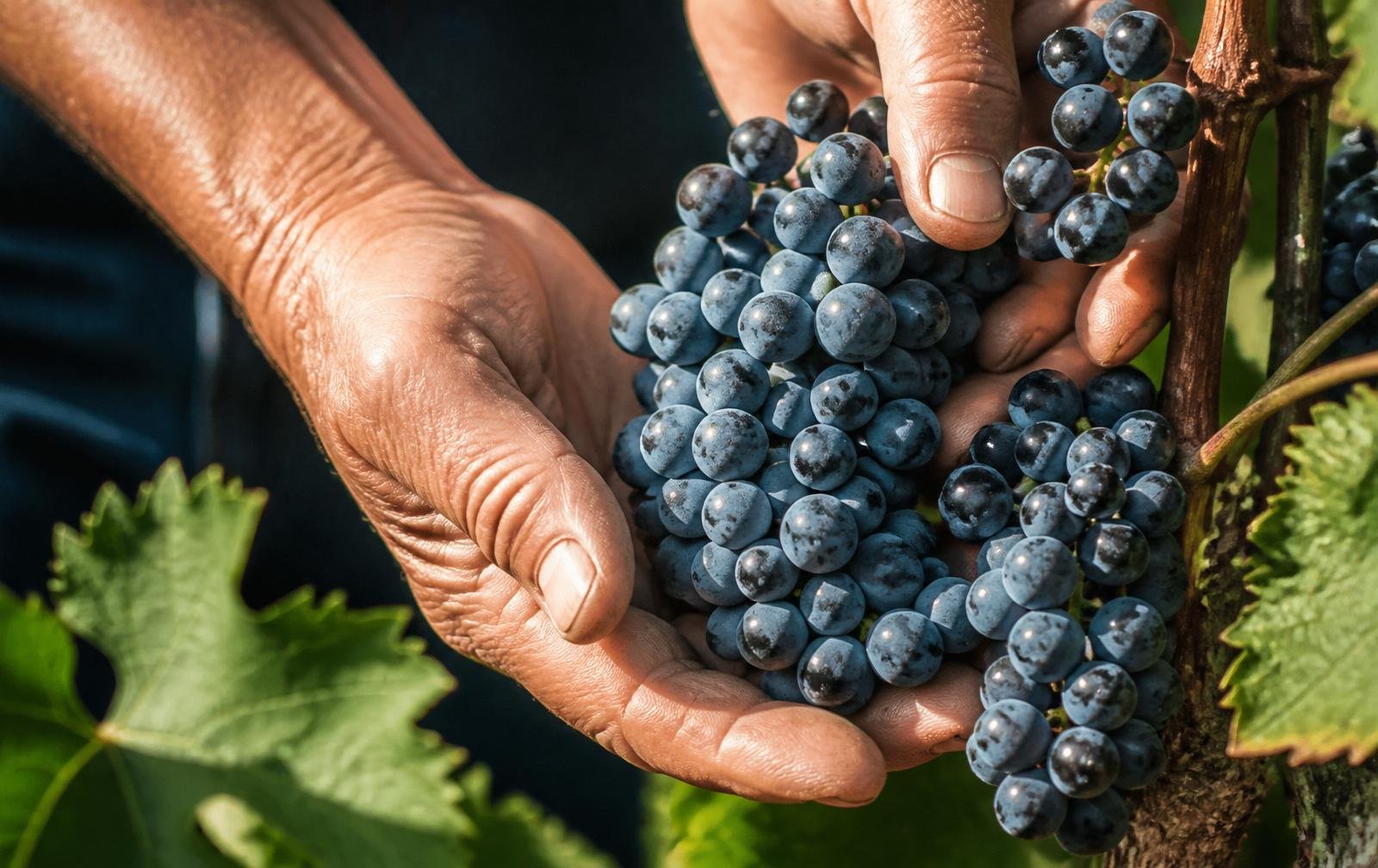
Night harvest to preserve freshness
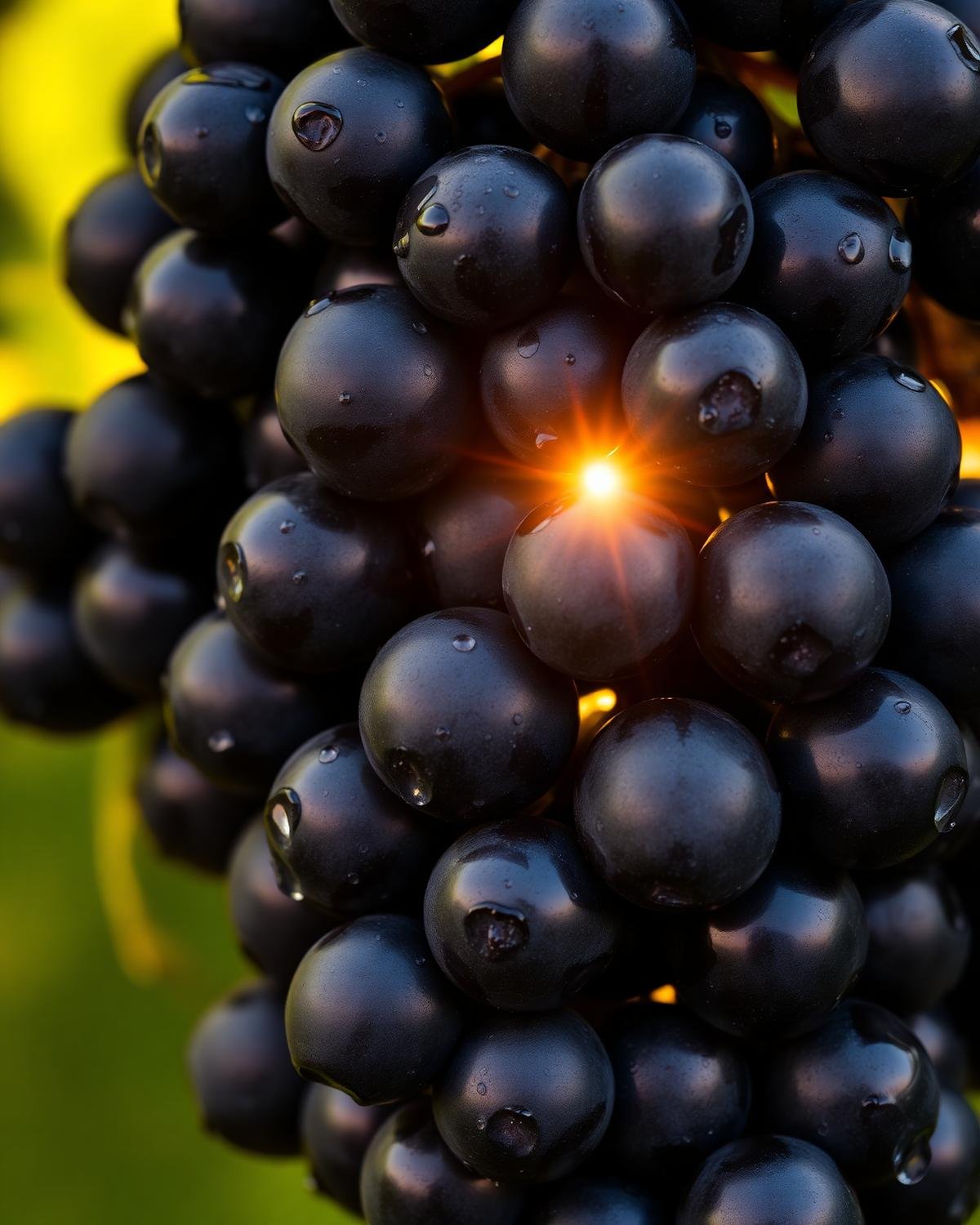
Grenache under Provençal light
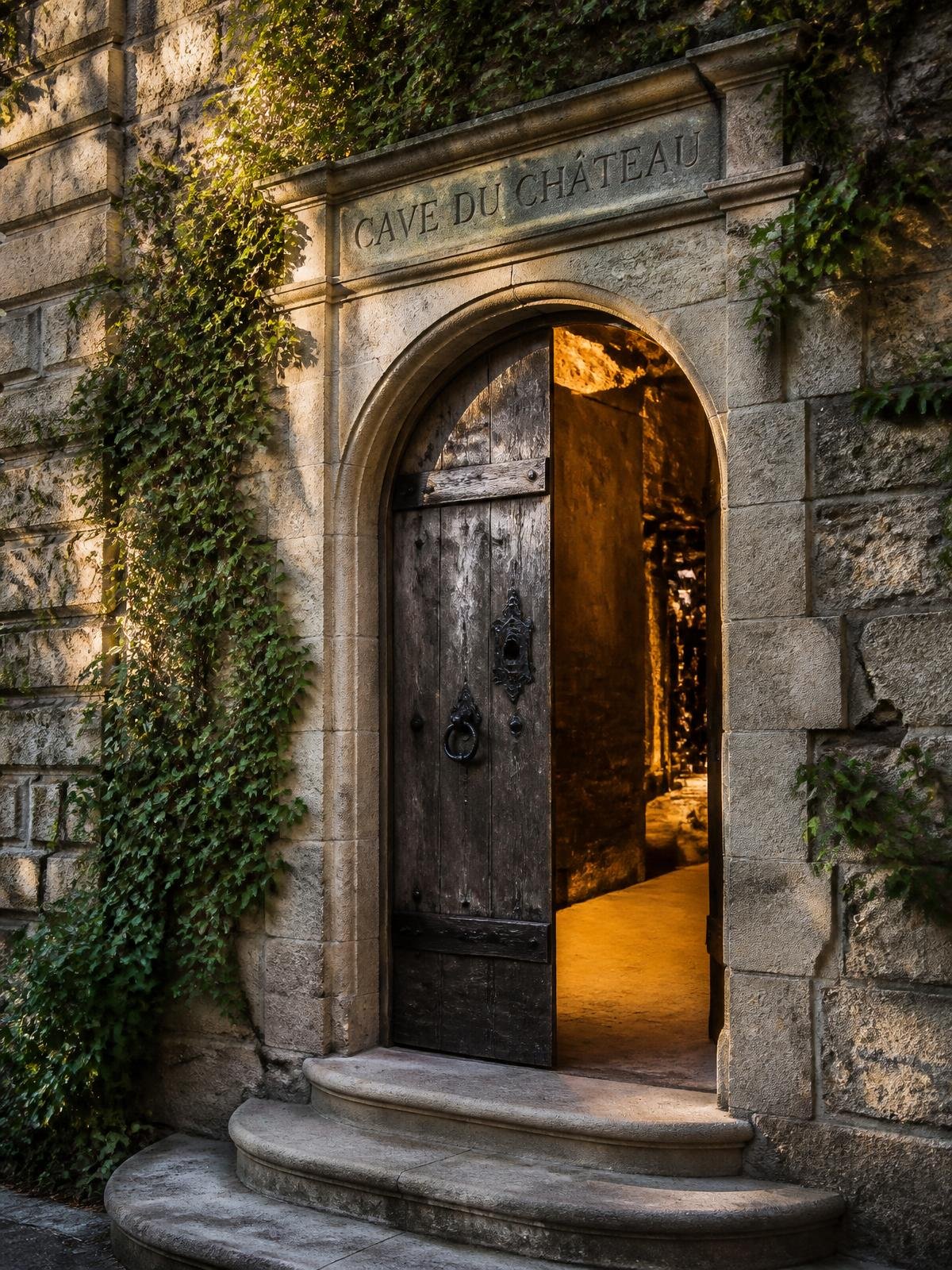
Entrance to a coastal estate
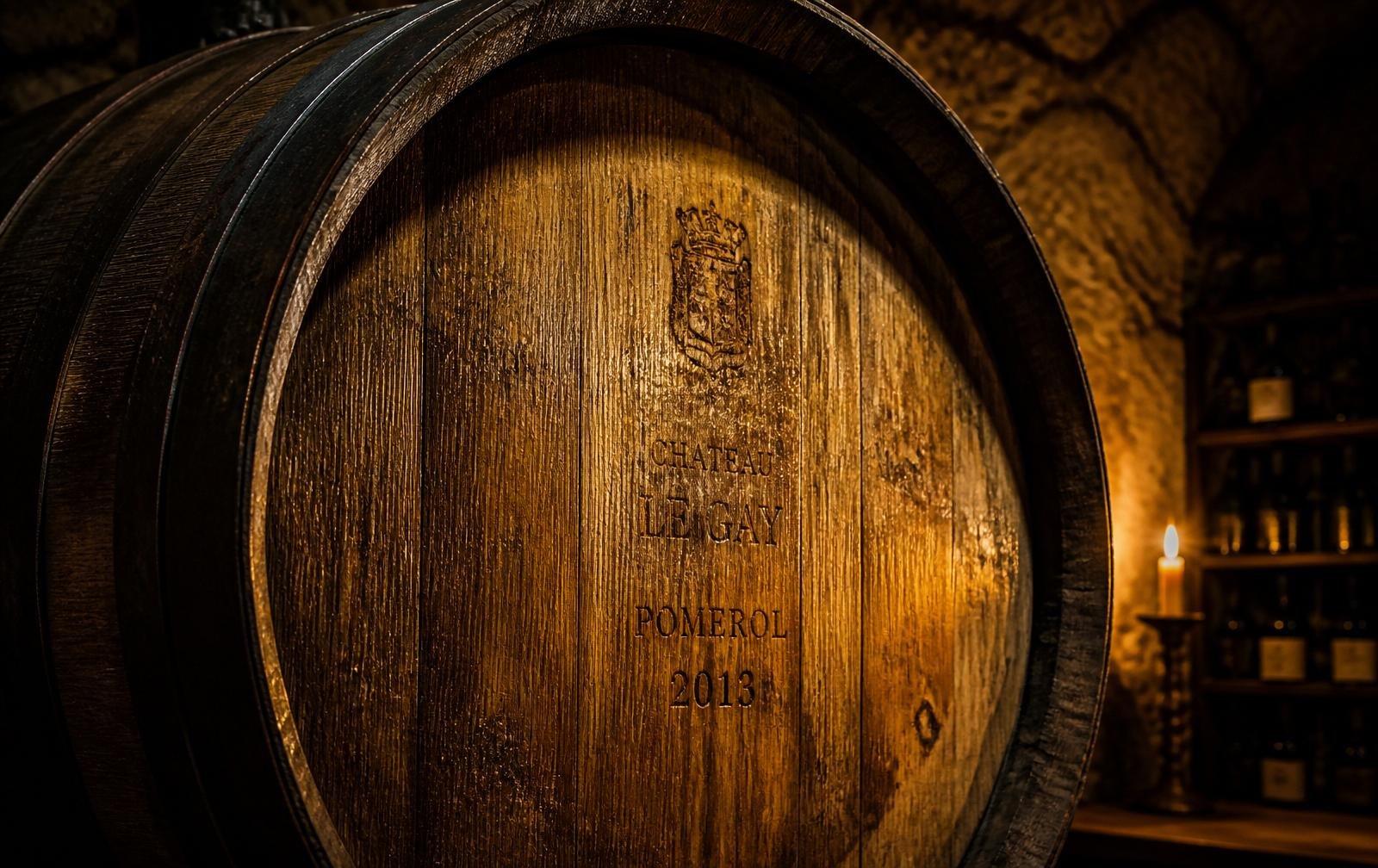
Foudre for aging Bandol reds
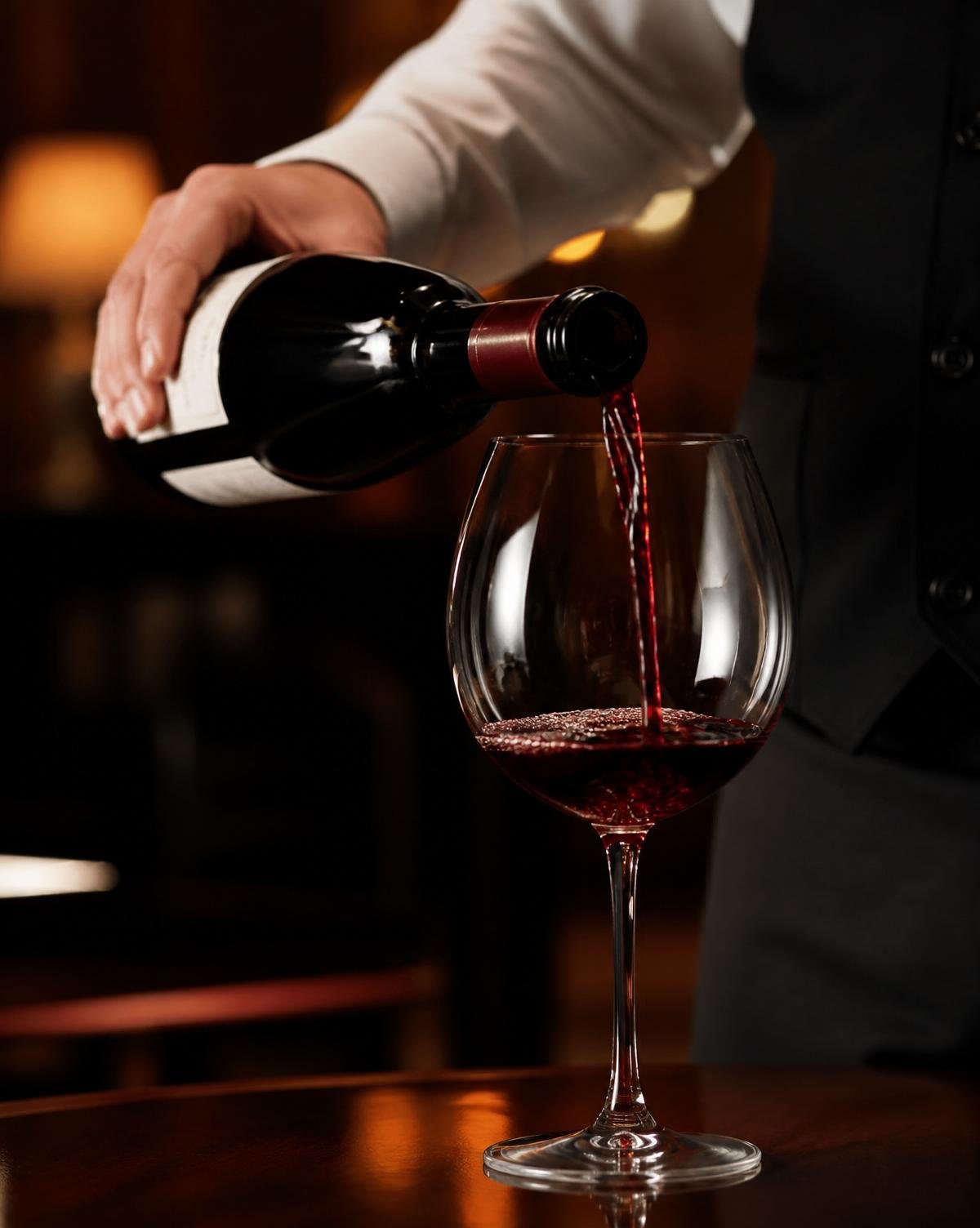
Serving a gastronomic rosé
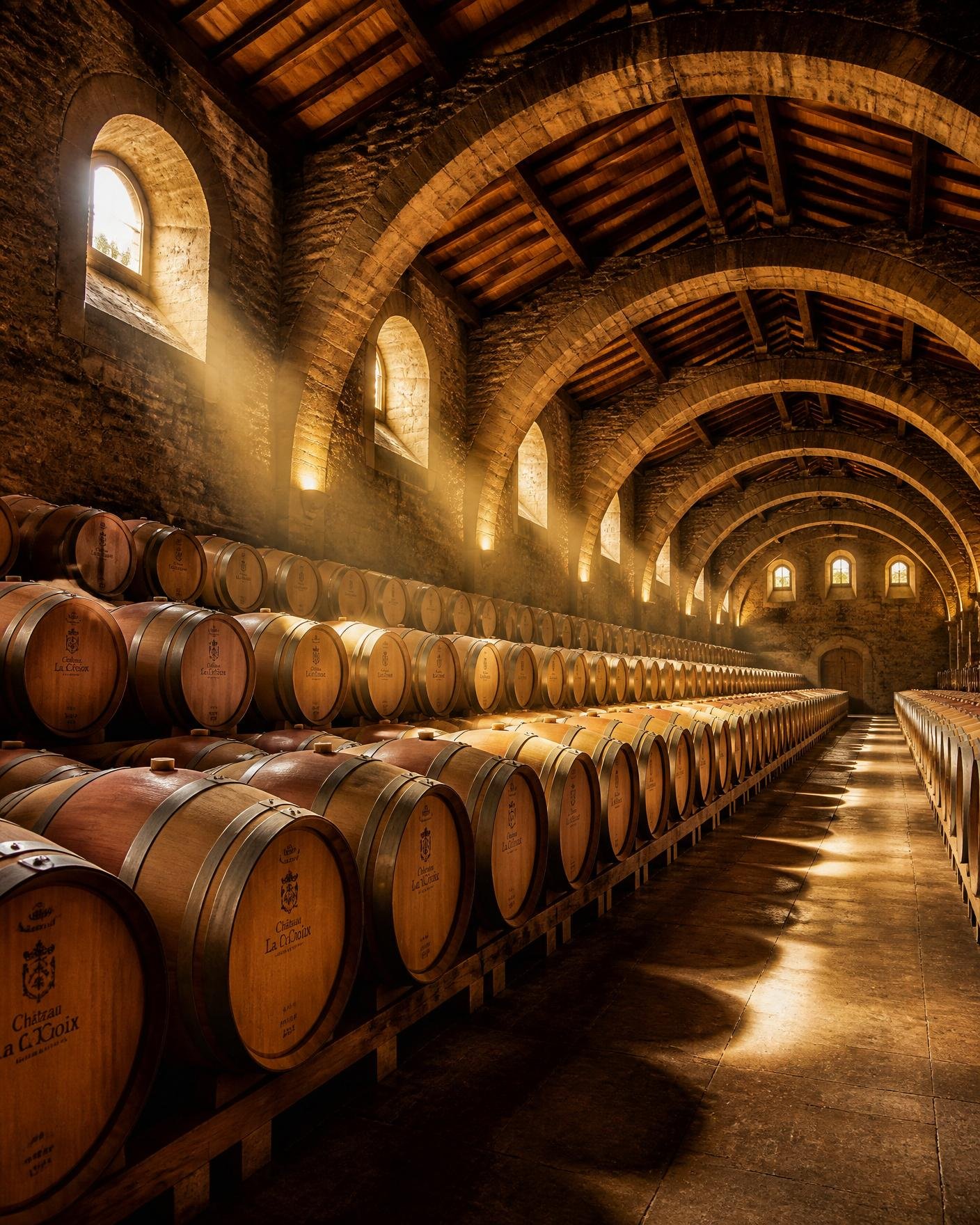
Cellar bathed in Mediterranean light
01
Provence is France's oldest vineyard, planted by the Phocaeans around 600 BCE.
02
The region produces about 90% rosé, a specialization unique among France's great vineyards.
03
Bandol requires a minimum of eighteen months of mandatory aging for its red wines, among France's longest.
04
Provence enjoys the highest sunshine levels of all French vineyards, exceeding 2,900 hours per year.
05
The world's only Rosé Research and Experimentation Center has been based in Vidauban since 1999.
06
Some Bandol or Côtes de Provence Sainte-Victoire rosés can age over ten years in the cellar.
Provence achieved what few regions manage: turning a wine color long considered minor into a world gastronomic reference, without ever giving up its characterful reds.
For the Japanese market, highly attentive to aesthetics and visual purity, the pale, luminous hue of Provençal rosés is an immediate asset, reinforced by a sought-after reputation for Mediterranean elegance.
This patient reinvention of a twenty-six-hundred-year-old tradition, driven by scientific research rather than habit alone, perfectly illustrates the spirit of takumi: honoring heritage by advancing it.