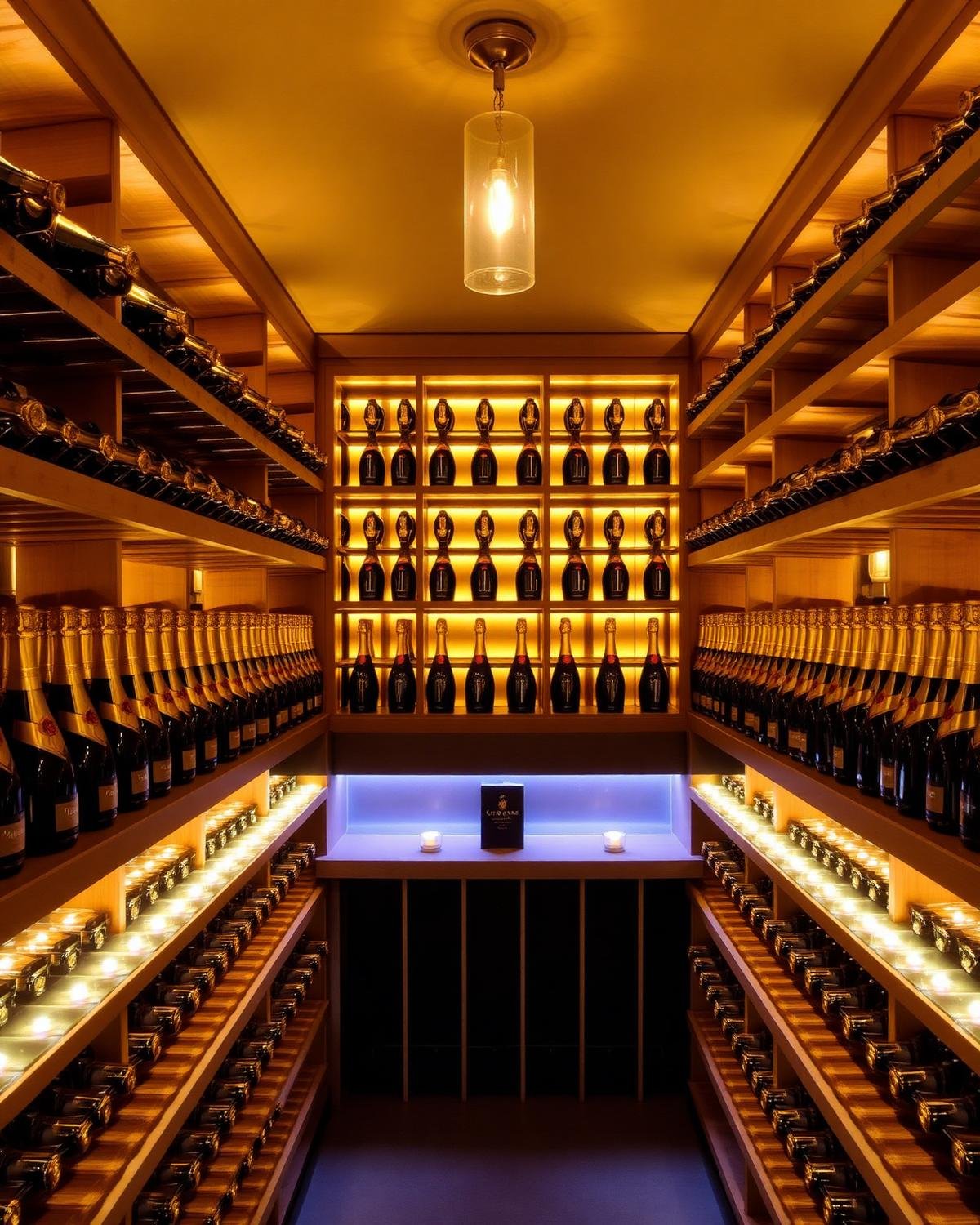
Champagne
Traditional method and the art of chalk
On France's northernmost chalk hillsides, houses and growers have upheld, for three centuries, a method of absolute rigor, turning a difficult wine into the world reference for sparkling wine.
From antiquity, Champagne produced still wines, prized since the Middle Ages for the coronation of French kings at Reims. The region owes its initial renown to these fine wines, well before the bubble became its signature.
Effervescence, long considered a flaw, became intentional in the 17th century through the gradual mastery of secondary fermentation in bottle. Dom Pérignon, cellar monk at Hautvillers abbey, refined blending and clarity, without being the sole inventor legend credits him as.
The 19th century saw the great trading houses emerge, Moët, Veuve Clicquot, Bollinger, which structured international commerce and forged Champagne's luxury reputation across imperial Europe and then the world.
In 1911, the Champagne growers' revolt, faced with fraud and phylloxera, led to the strict delimitation of the appellation area. This founding social movement gave rise, decades later, to a powerful cooperative system between growers and houses.
The échelle des crus, established in the 20th century, ranked the 320 Champagne communes by terroir quality: a system gradually relaxed but which still shapes the region's collective memory.
Today, Champagne combines the prestige of the great houses with the remarkable rise of grower-producers, who craft their own champagne and gain growing recognition for the authenticity of their plot-based work.
The Champagne vineyard spreads around Reims and Épernay, on chalk hillsides that mark the historic northern limit of European viticulture. This extreme position demands slow ripening, the source of the acidity that gives champagne its liveliness.
Four major sectors structure the region: the Montagne de Reims, the Vallée de la Marne, the Côte des Blancs, and the Côte des Bar further south, each with its own grape specialty and aromatic profile.
Area
≈ 34,000 ha under production
Latitude
48° to 49.5° north
Altitude
90 to 300 m
Classified communes
320 crus
Houses
≈ 370
Growers
≈ 16,000
Champagne's climate is cool semi-continental, with harsh winters and moderate summers, which explains the natural freshness of the grapes harvested, a decisive asset for the balance of sparkling wines.
The chalk bedrock acts as a thermal and hydric regulator, releasing daytime warmth stored through cool nights, while ensuring optimal drainage of the region's abundant rainfall.
Type
Cool semi-continental
Rainfall
≈ 650 mm/year
Sunshine
≈ 1,650 h/year
Average temp.
10.5 °C
Belemnite chalk, formed nearly seventy million years ago, is Champagne's absolute geological signature.
SOIL · 01
Belemnite chalk
Porous and white, it drains excess water while retaining essential summer moisture, and houses the historic cellars carved directly into the rock.
SOIL · 02
Vallée de la Marne marl
A mix of clay and limestone favorable to pinot meunier, the dominant grape of this sector.
SOIL · 03
Côte des Blancs chalk
The purest terroir for chardonnay, giving blanc de blancs their characteristic saline minerality.
SOIL · 04
Côte des Bar clay-limestone
Geologically closer to Burgundy, this southern terroir favors pinot noir.
Chardonnay
The backbone of blanc de blancs, it brings tension, finesse and exceptional aging potential.
Aromas: Citrus, white flower, chalk, brioche with age
Pairings: Seafood, sushi, aperitif
Pinot Noir
The backbone of many blends, it brings structure, power and length on the palate.
Aromas: Red fruit, sweet spice, toasted bread
Pairings: Poultry, fish in sauce
Pinot Meunier
Fruitier and rounder, resistant to spring frost, it brings suppleness and immediate fruit to blends.
Aromas: Apple, pear, fresh red fruit
Pairings: Light cuisine, casual aperitif
Pinot Blanc
A confidential grape used in small proportion to bring roundness to certain traditional blends.
Aromas: White fruit, fresh almond
Pairings: Light starters
Arbane
A near-extinct historic grape, preserved by a few houses in homage to old blends.
Aromas: White flowers, delicate citrus
Pairings: Prestige tastings
Petit Meslier
Another exceedingly rare ancestral grape, grown confidentially to preserve Champagne's biodiversity.
Aromas: Liveliness, lemon notes
Pairings: Collector cuvées
Champagne offers a spectrum of styles, from the approachable non-vintage to the prestige cuvée, via grower-producers' plot-based expressions.
Non-vintage brut
Each house's signature blend, consistent from one year to the next.
Blanc de blancs
One hundred percent chardonnay, absolute tension and mineral purity.
Blanc de noirs
Made exclusively from black grapes, fuller and more wine-like.
Rosé
By bleeding or blending, a sought-after fruity elegance.
Vintage
Reserved for great years, the pure expression of a single terroir and a single moment.
While Champagne has only one appellation, the échelle des crus has historically distinguished the best-producing villages.
Aÿ
A historic pinot noir village on the Montagne de Reims.
Bouzy
One of the region's most powerful red grands crus.
Avize
The absolute reference for chardonnay on the Côte des Blancs.
Cramant
A grand cru renowned for the extreme finesse of its blanc de blancs.
Mesnil-sur-Oger
An emblematic terroir for the greatest prestige cuvées.
Verzenay
On the Montagne de Reims, a structured, sun-favored pinot noir.
Ambonnay
A discreet grand cru, highly sought after by connoisseurs.
Vertus
A transitional terroir, between power and freshness.
The échelle des crus, historically rated from 80% to 100%, distinguishes three tiers of communes.
Grands Crus
Seventeen communes ranked at the summit of the Champagne hierarchy.
Premiers Crus
Forty-four communes recognized for the consistent excellence of their terroirs.
Other crus
The remainder of the 320 communes, forming the broad, diverse base of the appellation.
01
Harvest
Exclusively manual picking, whole grapes transported in crates to avoid premature crushing.
02
Pressing
Gentle, fractional pressing, separating cuvée and tailles by juice purity.
03
First fermentation
Classic alcoholic fermentation, often plot by plot and grape by grape.
04
Blending
The key step: marrying crus, grapes and reserve years to compose the house style.
05
Tirage
Bottling with the addition of tirage liqueur, triggering the second fermentation.
06
Prise de mousse and lees aging
The bubble forms in bottle, on lees, for fifteen months to several years depending on the cuvée.
07
Disgorgement and dosage
Removal of the sediment and addition of the dosage liqueur, which sets the final sweetness level.
Seafood platter
The classic pairing, champagne's liveliness answering the shellfish's brine.
Bresse poultry
A structured blanc de noirs accompanies the poultry's delicate texture.
Shrimp tempura
Champagne's fine bubble cleanses the palate after the crisp fry.
Assorted sushi and sashimi
A mineral blanc de blancs naturally extends the raw fish's freshness.
Silken tofu with yuzu
A light saignée rosé answers yuzu's delicate tartness.
Assorted amuse-bouches
A versatile non-vintage brut, ideal for opening any prestigious meal.
Red fruit tart
A demi-sec or a lightly dosed rosé balances the fruit's acidity.
Non-vintage champagnes are best enjoyed within three to five years of disgorgement, while vintage and prestige cuvées can improve for fifteen to twenty-five years in the cellar, developing notes of dried fruit and toasted brioche.
Service demands a cool but not icy temperature to preserve aromatic complexity, and a tulip-shaped glass, preferred over the historic coupe, to concentrate aromas and preserve effervescence.
Temperature
8 to 10 °C
Aged vintage
12 to 14 °C
Opening ahead of service
None, serve immediately
Cellar storage
12 °C, stored on its side
Aging potential
3 to 25 years depending on the cuvée
Glassware
Tulip flute, never the coupe
February to March
Pruning
Chablis or Royat cordon pruning, strictly governed by the appellation's rules.
April
Budbreak
Late awakening of the vine, adapted to Champagne's cool climate.
June
Flowering
A sensitive stage, determining the year's yield potential.
August
Véraison
Coloring of black grapes, closely monitored ripening in this northern region.
Mid-September
Harvest declaration
Official date set each year by the Comité Champagne based on ripeness.
Late September
Harvest
Swift manual picking, often completed within two to three weeks.
Winter
Blending
Cellar masters compose the blends that will define the year's style.
Following spring
Tirage
Bottling and triggering of the second fermentation in the cellar.
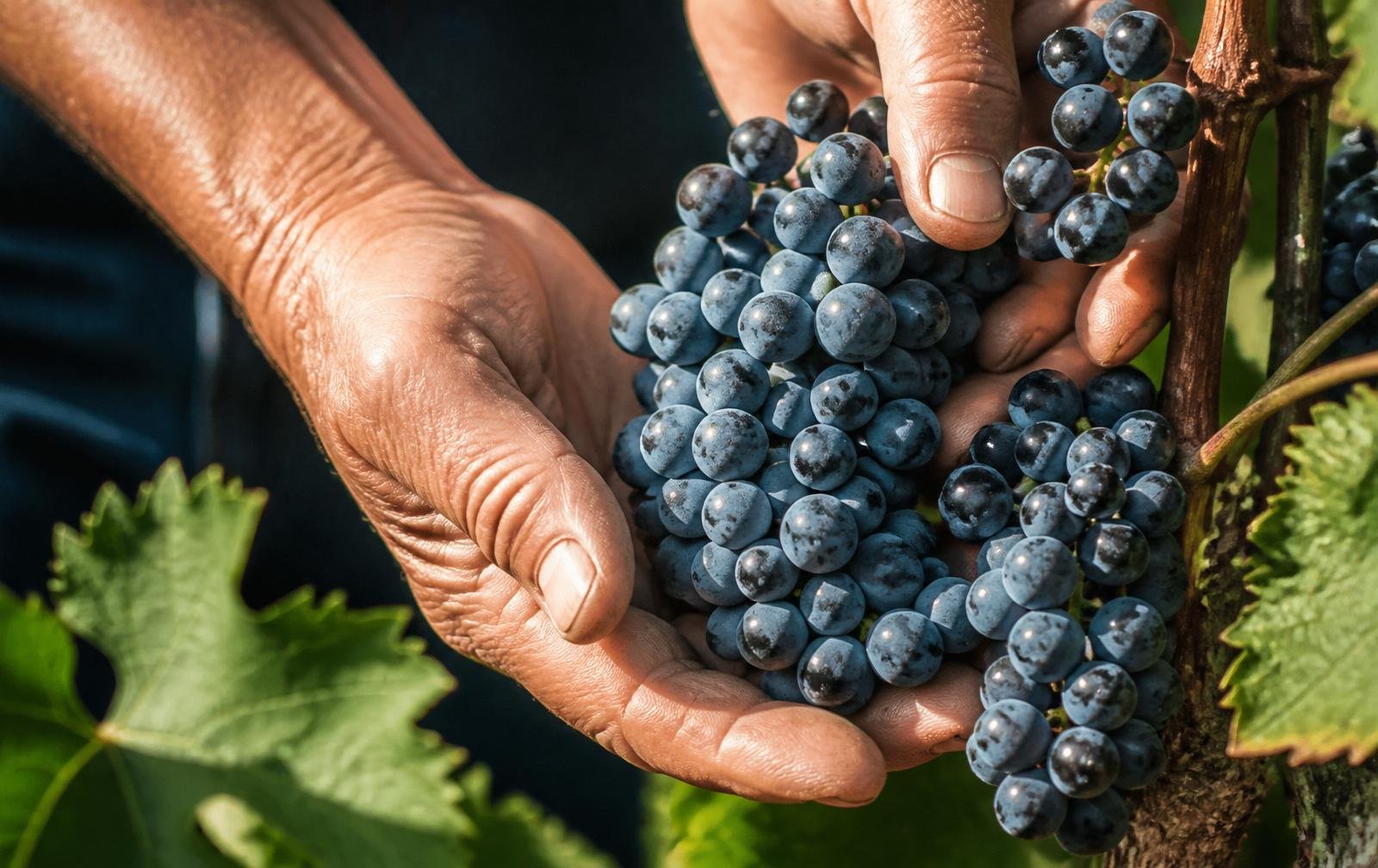
Manual harvest into crates
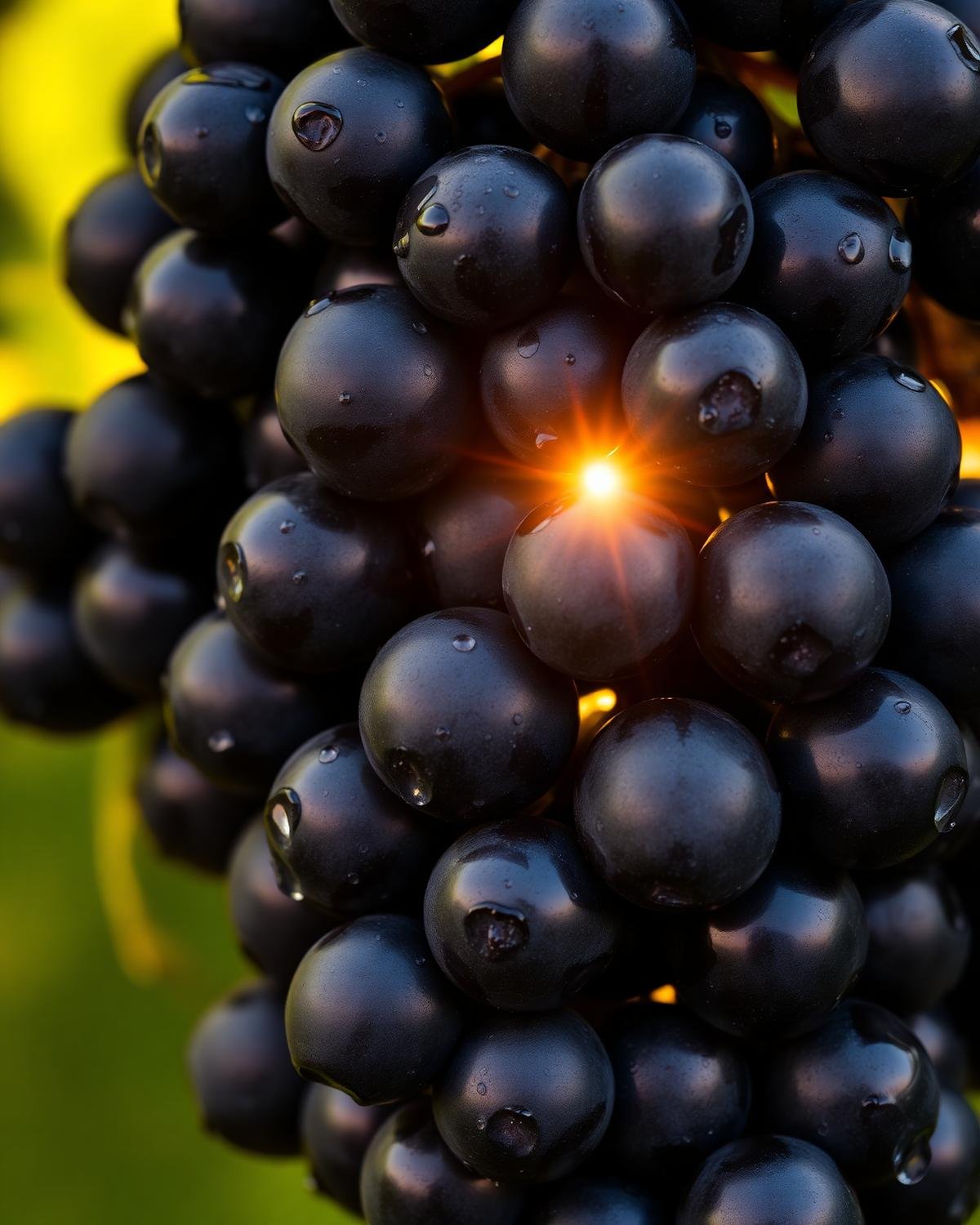
Chardonnay on the Côte des Blancs
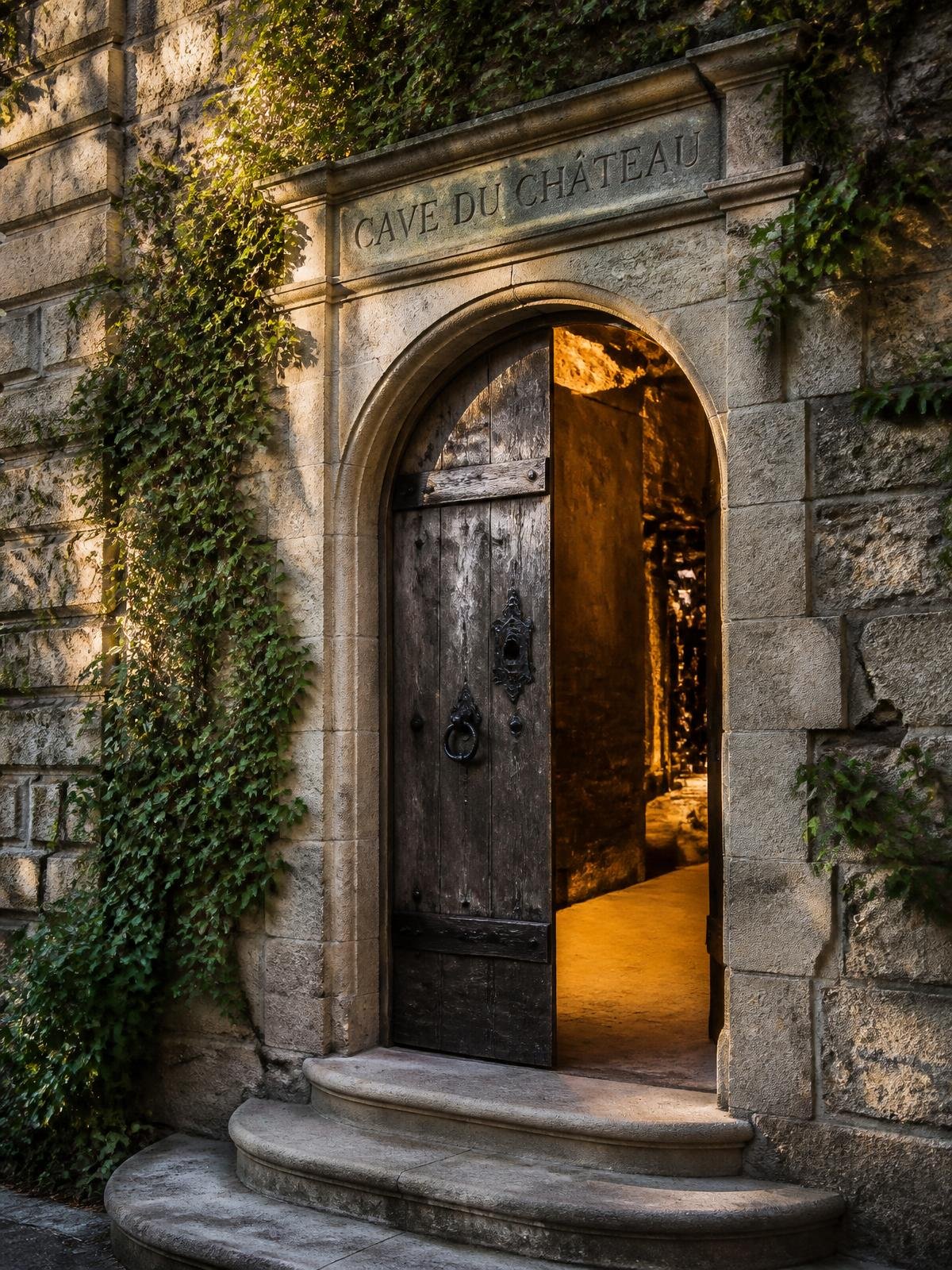
Entrance to a historic chalk cellar
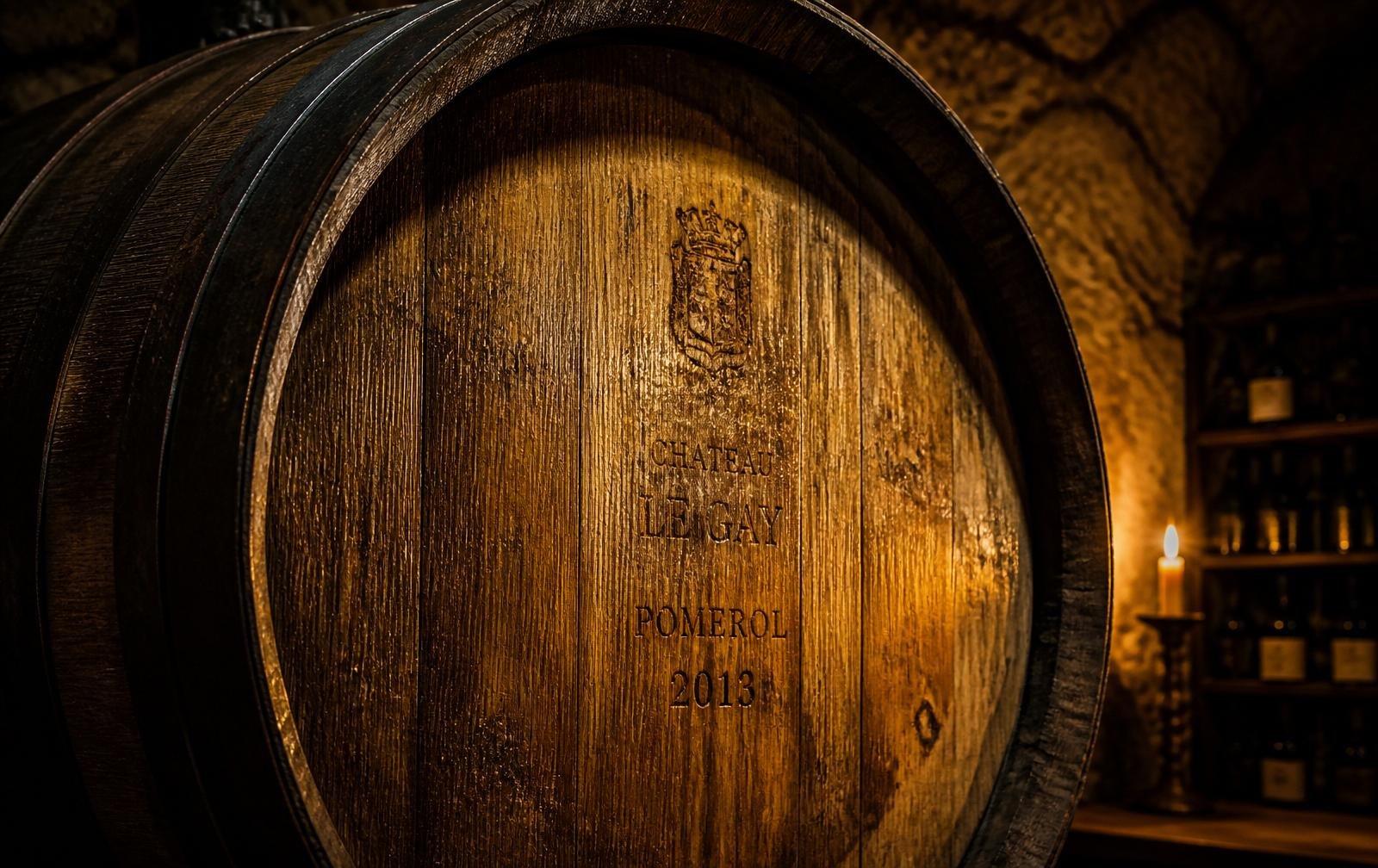
Reserve barrels for blending
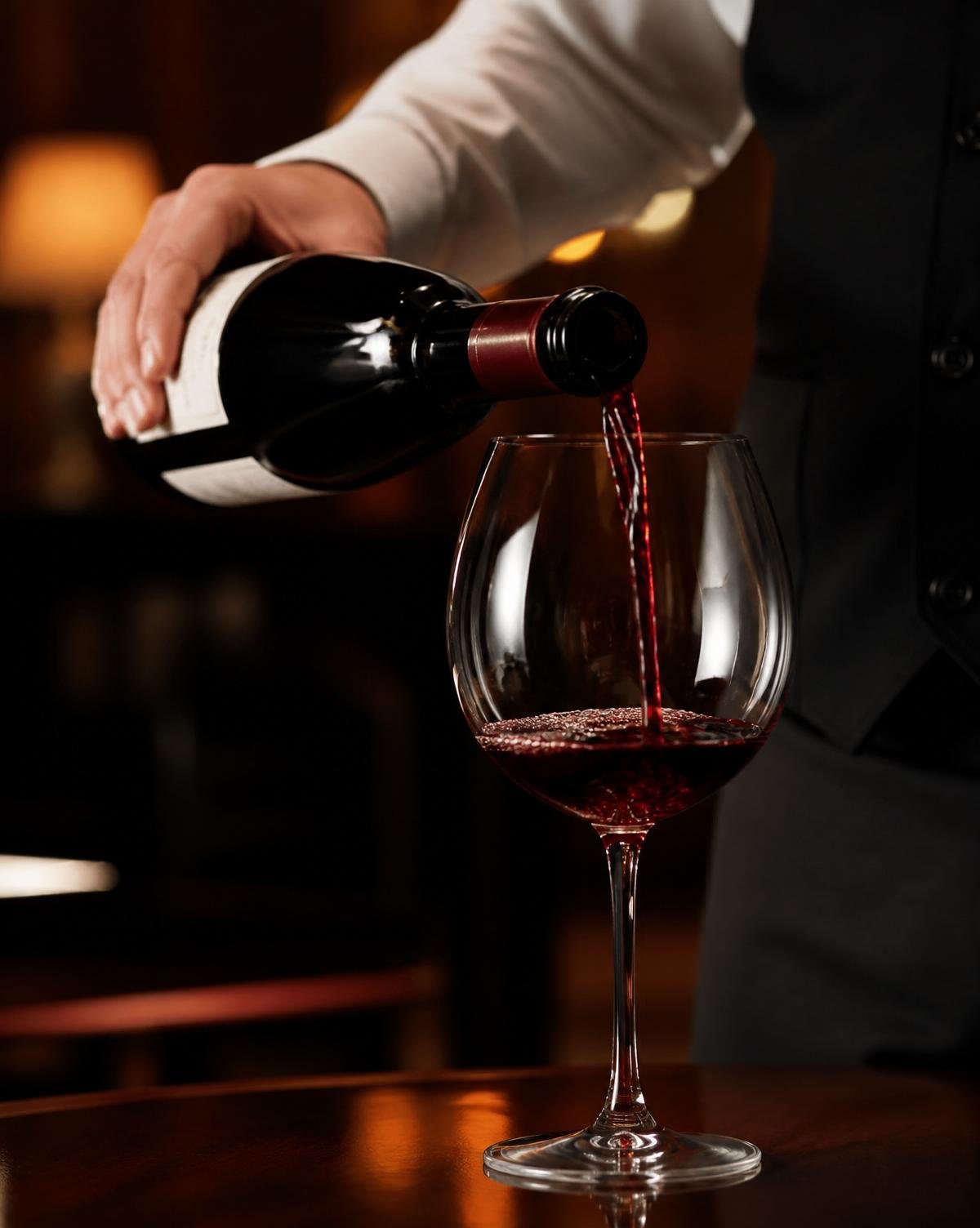
Serving a prestige cuvée
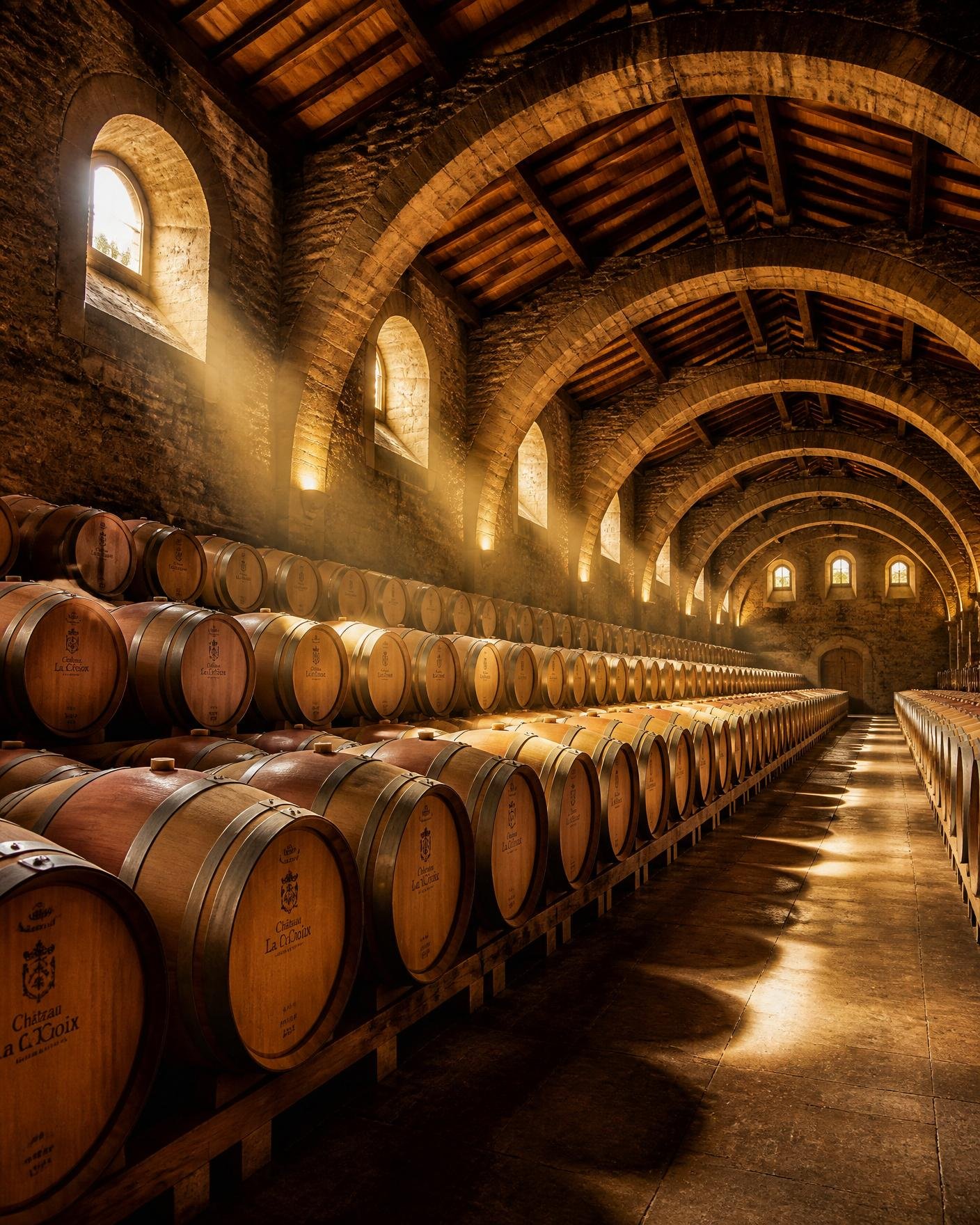
Chalk cellar, filtered light
01
Champagne has over two hundred kilometers of chalk pits and cellars carved beneath Reims and Épernay.
02
A non-vintage champagne requires a minimum of fifteen months of lees aging, versus three years for a vintage.
03
The 320 communes of the appellation still follow the old échelle des crus, though it no longer legally sets prices.
04
Pinot meunier, long considered minor, is now being rediscovered by many grower-producers.
05
The pressure in a bottle of champagne reaches about six bars, roughly triple that of a car tire.
06
Some houses hold reserve wines dating back several decades to enrich their blends.
Champagne invented a unique discipline: turning the constraint of a difficult climate into a method of absolute precision, where every step, from blending to disgorgement, is mastered to the gesture.
For the Japanese market, where champagne holds a strong ceremonial and symbolic place, traceability of cru, house or grower-producer offers an immediately recognized and highly valued mark of trust.
This discipline of the repeated gesture, this patience for the long time before disgorgement, directly resonate with the spirit of takumi: a mastery that never shows the effort it demanded.