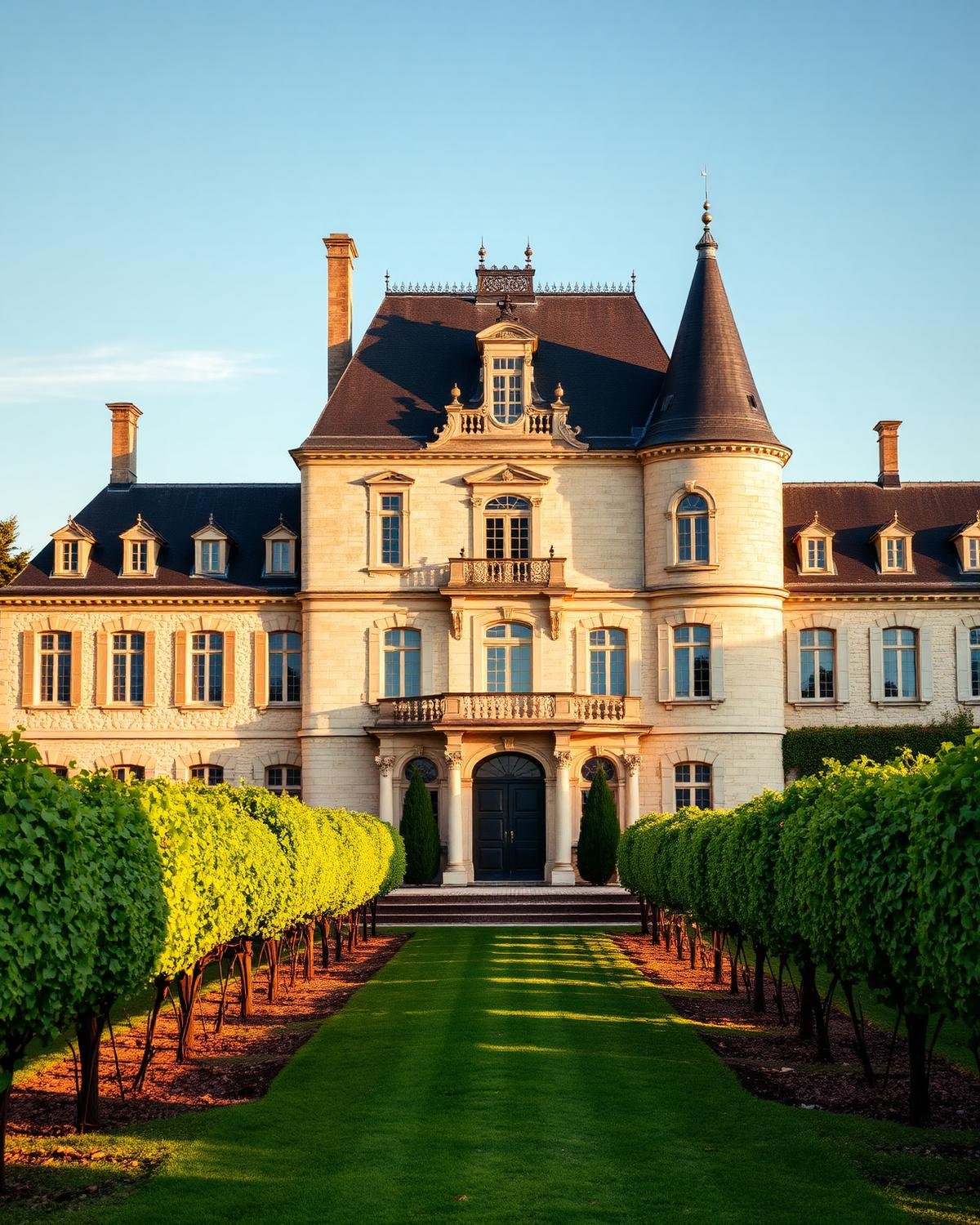
Bordeaux
The realm of the great classified growths
On the banks of the Garonne and the Dordogne, Bordeaux built, over three centuries, the largest and most prestigious wine geography in France. Here, blending is an art, and the château an institution.
Bordeaux's winemaking history begins with the Romans, who planted vines along the Garonne as early as the 1st century to supply their garrisons. But it was the marriage of Eleanor of Aquitaine to Henry Plantagenet, future king of England, in 1152, that lastingly changed the region's fate: for three centuries, Bordeaux wines crossed the Channel tax-free and conquered the English table.
In the 18th century, Bordeaux's wine trade became international. Dutch, English and German merchant houses settled along the Chartrons quay and structured a commerce oriented toward export. This period saw the emergence of the château as an identified production unit, foreshadowing the estate system that still defines Bordeaux today.
1855 marked a decisive turning point. For the Paris World's Fair, Napoleon III requested a ranking of the region's finest wines. Brokers established a hierarchy based on prices practiced for decades: sixty-one red growths of the Médoc and Sauternes were ranked across five tiers. With few exceptions, this classification has never been revised.
The phylloxera crisis of the 1870s-1880s devastated the vineyard before grafting onto American rootstock allowed its reconstruction. The 20th century then saw Bordeaux weather economic crises, wars and profound shifts in taste, while consolidating its appellation system, formalized from 1936 onward.
Since the 1980s, Bordeaux has undergone considerable oenological modernization: precise fermentation temperature control, optical berry sorting, more environmentally respectful farming. The vineyard, without renouncing its classicism, has opened itself to a renewed quality standard, carried by a new generation of winemakers.
Today, Bordeaux remains a world reference for age-worthy wines, while cultivating a considerable diversity of styles: from approachable primeurs to great wines built to cross the decades.
The Bordeaux vineyard spreads on either side of the Garonne and Dordogne rivers, which join to form the Gironde estuary. This river geography shapes everything: it regulates the climate, drains the soils and draws the historic distinction between the left and right banks.
On the left bank, the gravel mounds of the Médoc and Graves dominate. On the right bank, limestone and clay shape the Libournais: Saint-Émilion, Pomerol. Between the two rivers, the Entre-deux-Mers unfolds its limestone plateaus devoted to dry whites and mid-range reds.
Area
≈ 111,000 ha under production
Latitude
44° to 45° north
Altitude
5 to 130 m
Rivers
Garonne · Dordogne · Gironde
Appellations
65 AOC
Châteaux
≈ 5,800 estates
Bordeaux enjoys a temperate oceanic climate, softened by the direct influence of the Atlantic and regulated by the Landes forest, which shields the vineyard from the harshest sea winds. Winters are mild, summers warm without excess, with moderate thermal amplitude favoring slow, steady ripening.
The Gironde estuary acts as a thermoregulator, tempering spring frosts on plots near its banks, a decisive factor in the historic placement of the greatest growths, almost all situated along the river.
Type
Temperate oceanic
Rainfall
≈ 900 mm/year
Sunshine
≈ 2,050 h/year
Average temp.
13.4 °C
The diversity of Bordeaux's soils explains, more than climate does, the personality of each appellation. Four major families structure the vineyard.
SOIL · 01
Garonne gravel
These mounds of rolled gravel, deposited by the Garonne during the Quaternary era, drain water perfectly and store the day's heat. They carry the great growths of the Médoc and Graves.
SOIL · 02
Clay-limestone
On the right bank, the plateaus and slopes of Saint-Émilion rest on a limestone base covered with clay, offering ideal water retention for merlot and great aromatic finesse.
SOIL · 03
Pomerol clay
At Pomerol, a layer of blue clay surfaces in places, notably on the plateau where the rarest growths concentrate. It gives the wines a dense texture and singular depth.
SOIL · 04
Limestone with fossil shells
This white limestone, formed from fossilized sea urchin debris, surfaces on the slopes of Blaye, Bourg and Castillon. It gives taut wines with well-preserved acidity.
Cabernet Sauvignon
The king grape of the Médoc, it gives structured wines, tannic in youth, with exceptional aging potential on gravel terroirs.
Aromas: Blackcurrant, graphite, ripe pepper, undergrowth with age
Pairings: Roast lamb, game, aged beef
Merlot
Dominant at Pomerol and Saint-Émilion, it brings roundness, flesh and generous fruit, often blended with cabernet franc.
Aromas: Plum, black cherry, cocoa, violet
Pairings: Duck, braised meats, aged cheeses
Cabernet Franc
Present on both banks, it brings aromatic freshness and spice, structuring the blend without hardening its tannins.
Aromas: Pepper, raspberry, violet, fresh herbs
Pairings: Roast poultry, fine charcuterie
Petit Verdot
A late-ripening grape used in small proportion, it adds deep color, spice and extra tannic structure to the great blends.
Aromas: Black spice, violet, licorice
Pairings: Powerfully spiced red meats
Sauvignon Blanc
Dominant in the dry whites of Graves and Pessac-Léognan, it brings liveliness and tension, often partly aged in oak.
Aromas: Citrus, boxwood, white fruit, flint
Pairings: Oysters, sashimi, grilled fish
Sémillon
The central grape of Sauternes and Barsac's sweet wines, it lends itself admirably to noble rot, a source of complexity and longevity.
Aromas: Candied apricot, honey, saffron, candied citrus
Pairings: Foie gras, unagi, blue cheese
Bordeaux is not a single style: each bank, each appellation, modulates the balance between power and elegance.
Structured Médoc
Tannic, upright wines in their youth, calling for long cellaring, dominated by cabernet sauvignon.
Fleshy Libournais
Round, dense wines with generous black fruit, carried by merlot from the right bank's clay soils.
Balanced Graves
An intermediate profile, often marked by smoky notes characteristic of this historic terroir.
Taut dry white
Lively and mineral, these sauvignon-sémillon whites gain complexity with measured oak aging.
Sauternes sweet wine
Extreme concentration, carried by noble rot, between unctuousness and acidic freshness.
Sixty-five appellations make up the Bordeaux mosaic. Here are the most defining ones for understanding the regional hierarchy.
Pauillac
Three first growths, absolute power and pedigree.
Margaux
Elegance and aromatic finesse taken to their summit.
Saint-Julien
The perfect balance between structure and velvet.
Saint-Estèphe
Sturdier wines, built for long cellaring.
Pessac-Léognan
The vineyard's historic cradle, reds and whites of the highest rank.
Saint-Émilion
Limestone slopes, its own classification revised every ten years.
Pomerol
No official classification, yet among the rarest wines in the world.
Sauternes
The world reference for botrytized sweet wine.
Entre-deux-Mers
Fresh, approachable dry whites with excellent value.
Côtes de Bordeaux
A vast set of hillsides offering fine style diversity.
Three distinct classifications coexist in Bordeaux, each specific to a territory and a history.
1855 Grands Crus Classés
Sixty-one châteaux of the Médoc and Sauternes, ranked across five tiers, fixed for over a century and a half.
Graves Classification
Established in 1953 then 1959, it distinguishes the best red and white growths of Pessac-Léognan without internal hierarchy.
Saint-Émilion Classification
Revised roughly every ten years, it distinguishes Premiers Grands Crus Classés A and B, and Grands Crus Classés.
01
Harvest
Manual or mechanical picking depending on the plot, with rigorous sorting of berries at optimal ripeness.
02
Vatting
Destemmed grapes are vatted by plot and by grape variety, to preserve each terroir's identity.
03
Fermentation
Alcoholic fermentation at controlled temperature, with regular pump-overs to extract color and tannin.
04
Maceration
An extended post-fermentation maceration refines the tannic structure before drawing off.
05
Blending
Bordeaux's signature art: marrying grape varieties and plots to compose the vintage's balance.
06
Aging
Twelve to twenty-four months in French oak barrels, with a proportion of new wood depending on the growth.
07
Bottling
After fining and light filtration, the wine is bottled to continue its evolution in the cellar.
Roast Pauillac lamb
The classic pairing: the Médoc's structured tannins against the melting fat of the lamb.
Duck with porcini
Libournais merlot marries the duck's texture and the mushrooms' woody notes.
Grilled wagyū
Wagyū's marbled fat calls for the silky tannins of a mature Saint-Émilion.
Glazed unagi
The sweet-savory grilled eel finds a natural echo in a young Sauternes.
Fatty tuna sashimi
A taut, briny Pessac-Léognan dry white underscores the richness of toro.
Aged cheeses
A fifteen-year-old Pauillac converses with the depth of an extra-aged Comté.
Pan-seared foie gras
French gastronomy's oldest pairing, between unctuousness and botrytized sweetness.
Bordeaux's great wines are among the best equipped in the world for long cellaring: fifteen, thirty, sometimes fifty years for classified growths in the best vintages. This aptitude rests on the balance between acidity, tannin and matter, characteristic of gravel and clay terroirs.
Service demands the same rigor as selection: temperature adjusted by style, measured decanting to reveal without exhausting the bouquet, glassware suited to each profile's aromatic concentration.
Temperature (red)
16 to 18 °C
Temperature (dry white)
10 to 12 °C
Sauternes
8 to 10 °C
Decanting
2 to 4 h
Cellar storage
12 to 14 °C, 70% humidity
Glassware
Large bordeaux glass, tulip for Sauternes
March
Pruning
Winter pruning completed, single or double guyot depending on the plot.
April
Budbreak
First buds emerge, a period of vigilance against frost.
June
Flowering
Flowering determines the year's yield potential.
August
Véraison
The grape changes color and begins final ripening.
Mid-September
Dry white harvest
Sauvignon and sémillon destined for dry whites are picked.
Late September
Red harvest
Merlot then cabernets, picked plot by plot according to ripeness.
October to November
Sauternes selective picking
Successive passes to select berries affected by noble rot.
Winter
Aging
The wines begin their time in barrel, under the cellar master's watch.
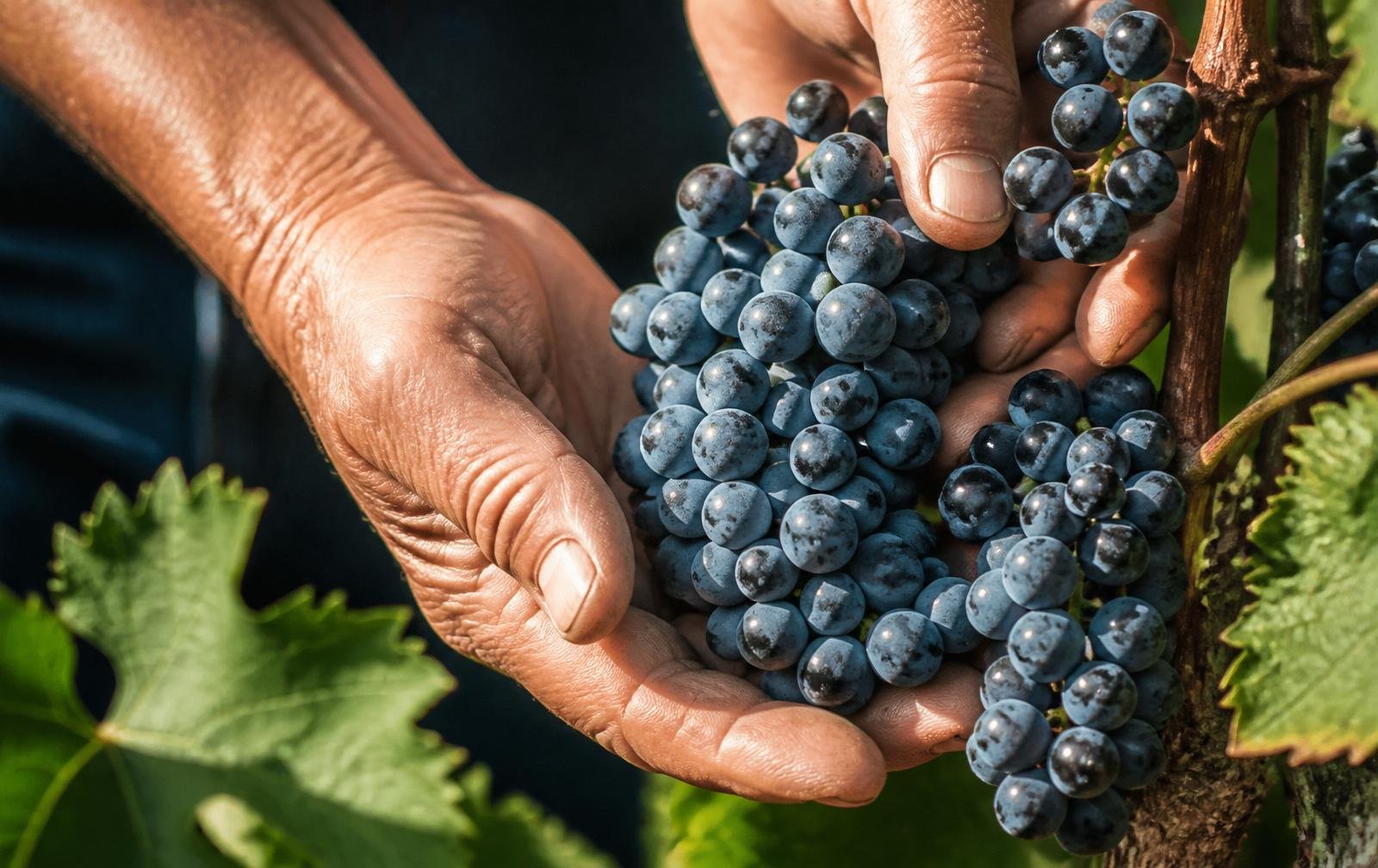
Manual harvest, sorted plot by plot
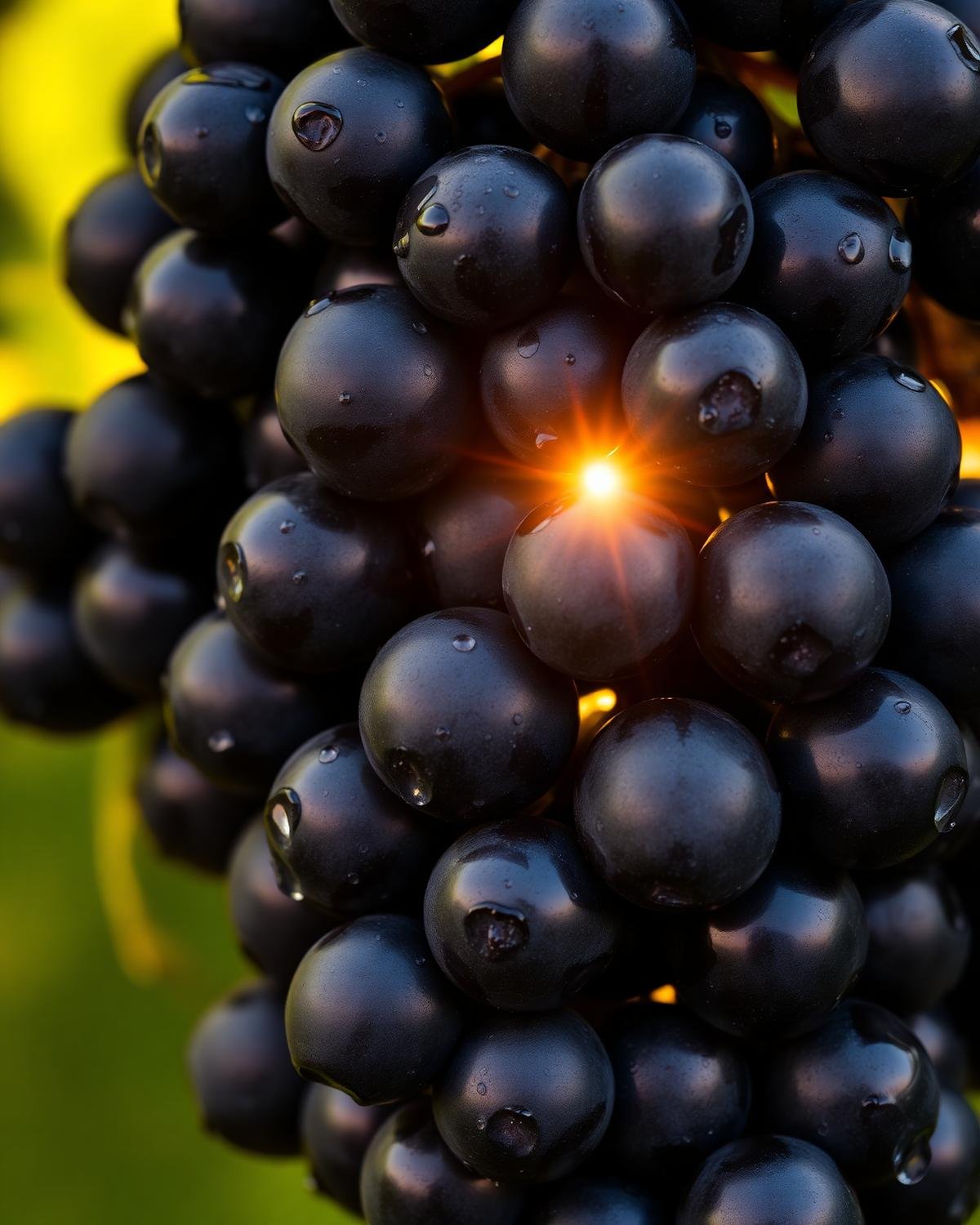
Cabernet sauvignon nearing full ripeness
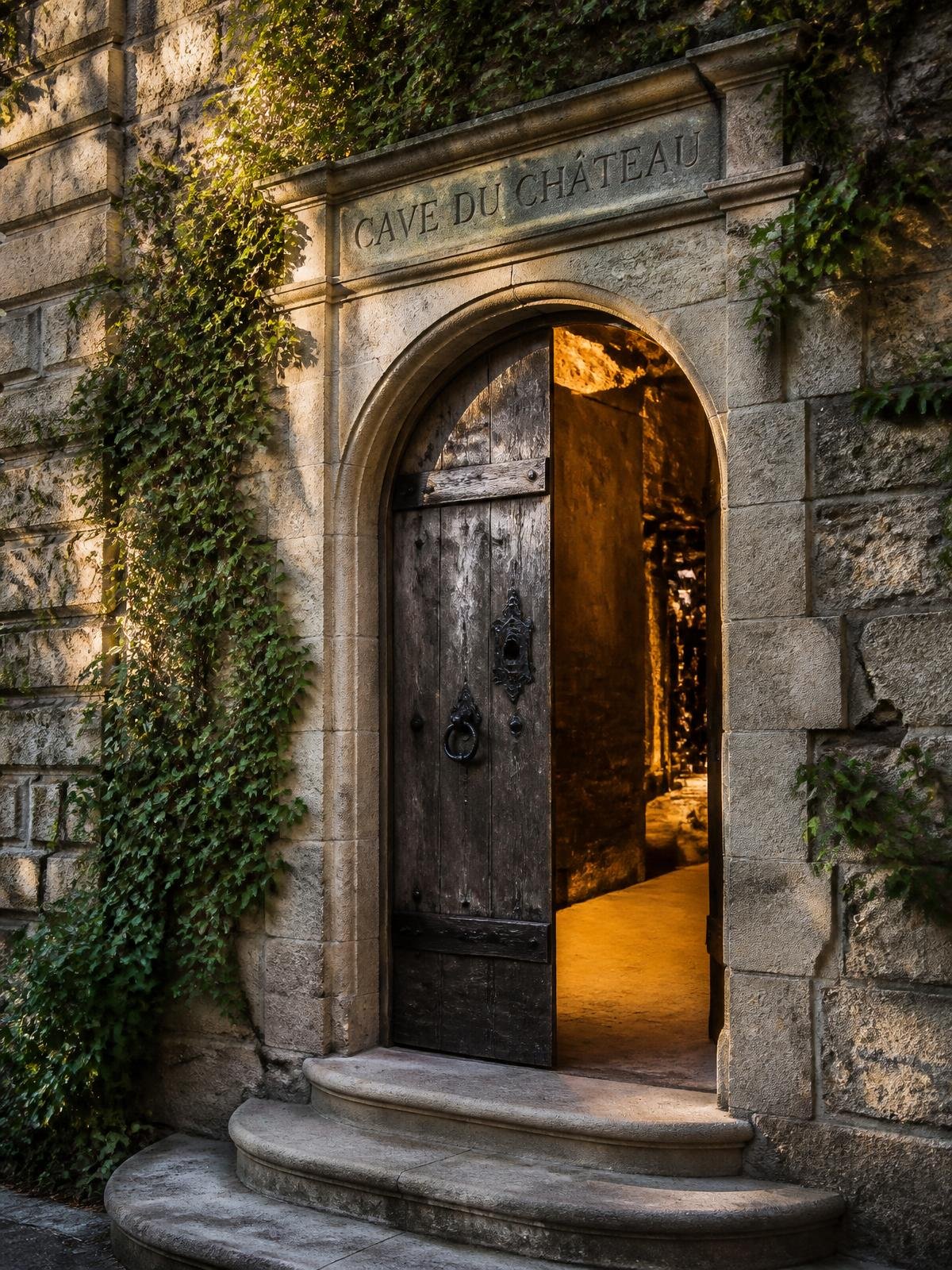
Entrance to the historic cellar
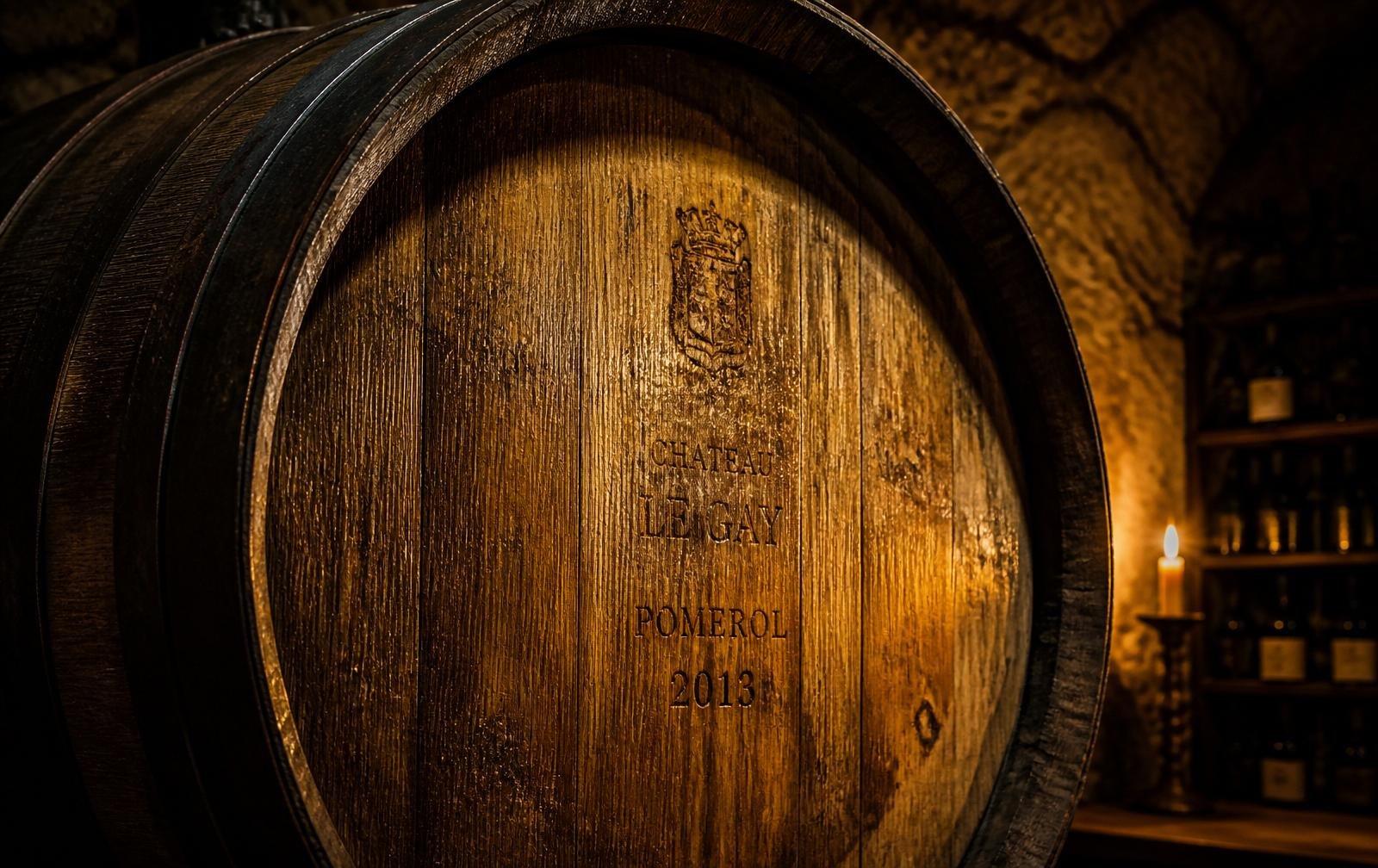
Aging in French oak barrels
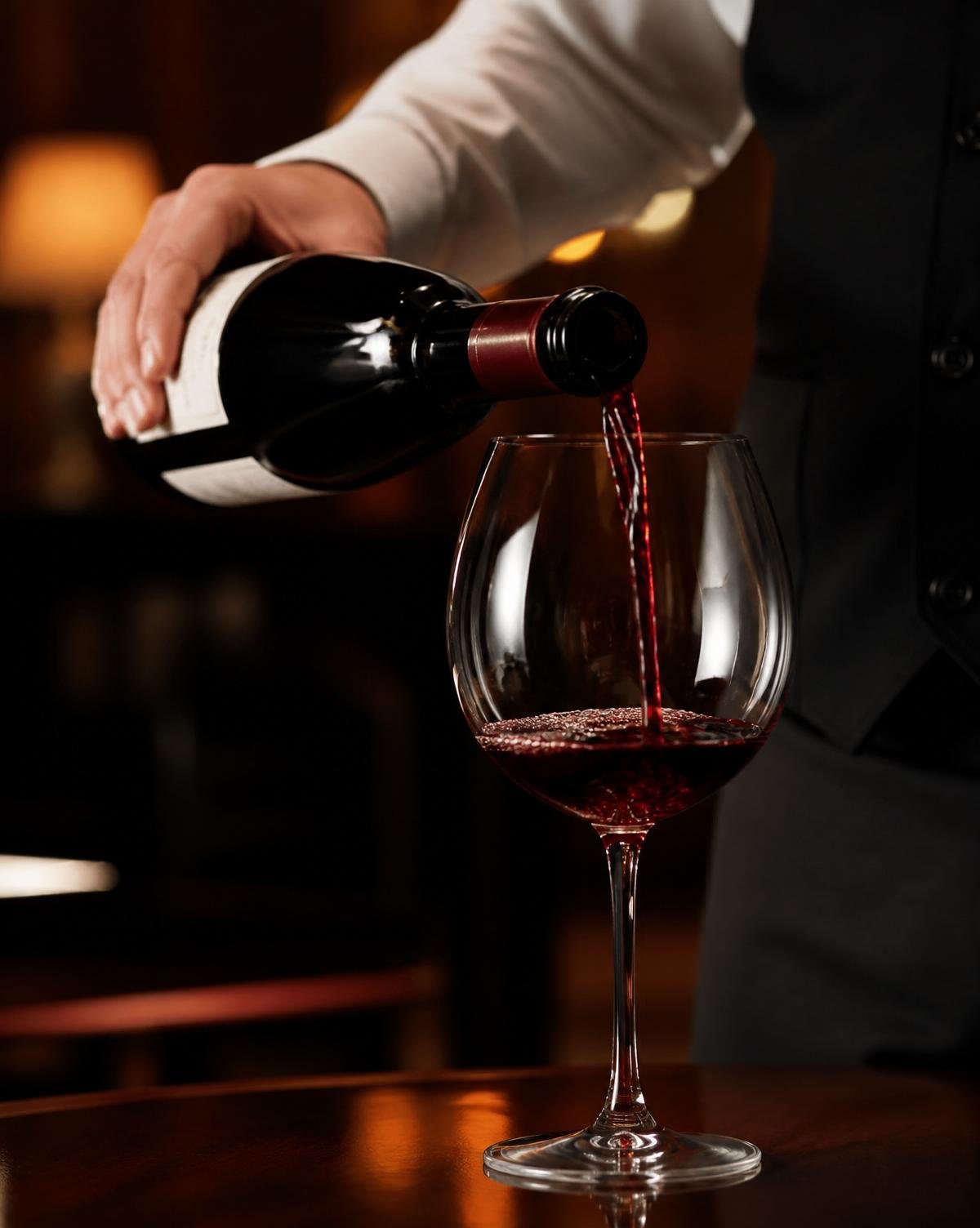
Service in the tasting room
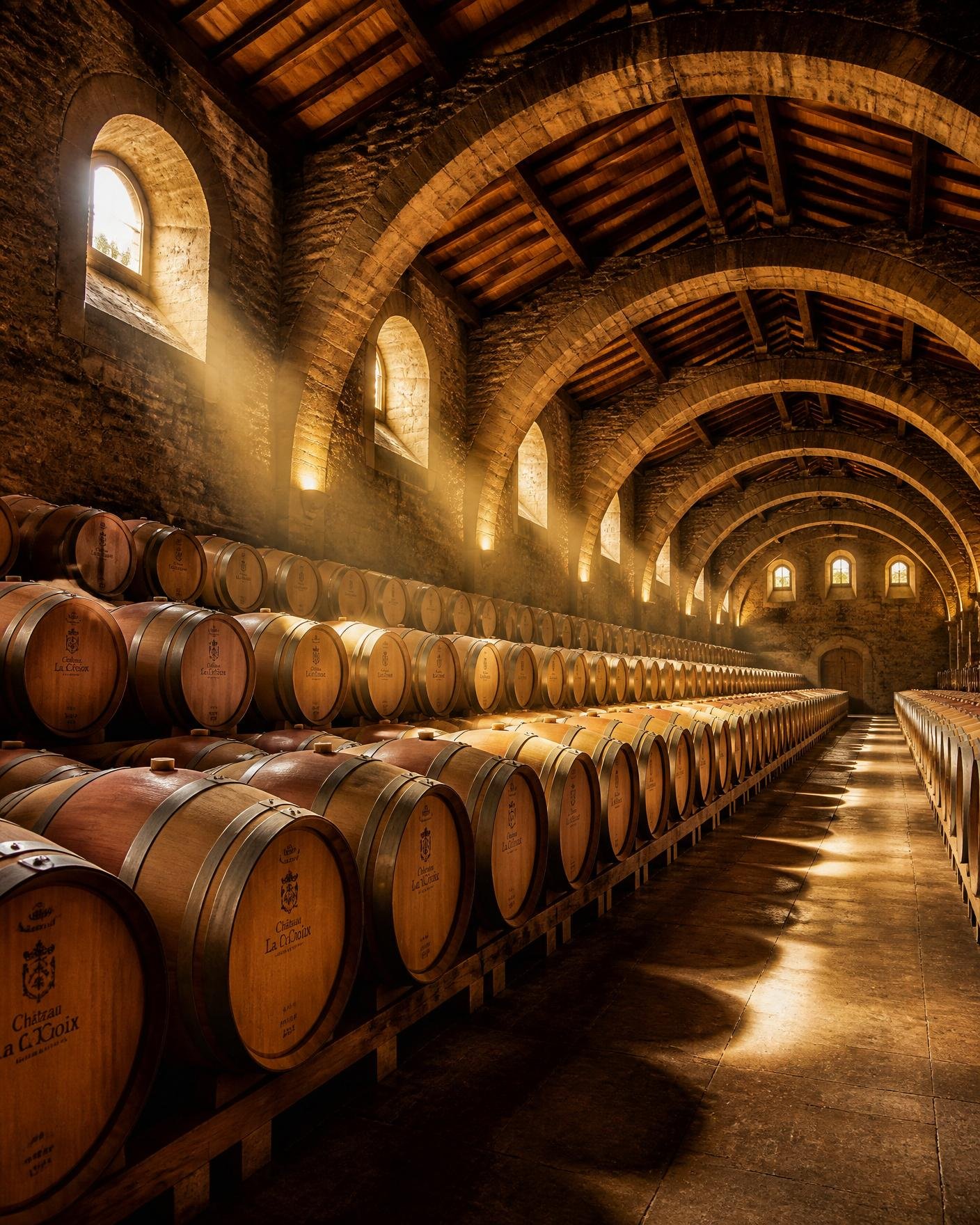
Barrel cellar, low raking light
01
Bordeaux is France's largest appellation-controlled vineyard, with 65 distinct AOCs.
02
The 1855 classification has only been amended once, in 1973, to elevate Château Mouton Rothschild.
03
Some great growths produce fewer than 15,000 bottles a year, explaining the rarity of certain vintages.
04
Pomerol, one of the most sought-after appellations, has never adopted an official classification.
05
The Landes forest, planted in the 19th century, shields the vineyard from the harshest ocean winds.
06
Some châteaux hold vintages in their cellars going back over a century, still fit for tasting.
Bordeaux remains the benchmark by which a red wine's cellaring potential is measured: structure, balance and the capacity to evolve over decades. No other French region combines historic prestige and stylistic diversity at this scale.
For a Japanese clientele accustomed to rigor and hierarchy, Bordeaux's classifications offer rare legibility: a shared language among connoisseurs, instantly recognized the world over.
It is precisely this rigor, this discipline passed down through generations in every château, that resonates with the spirit of takumi: a craft that never seeks effect, only rightness, vintage after vintage.